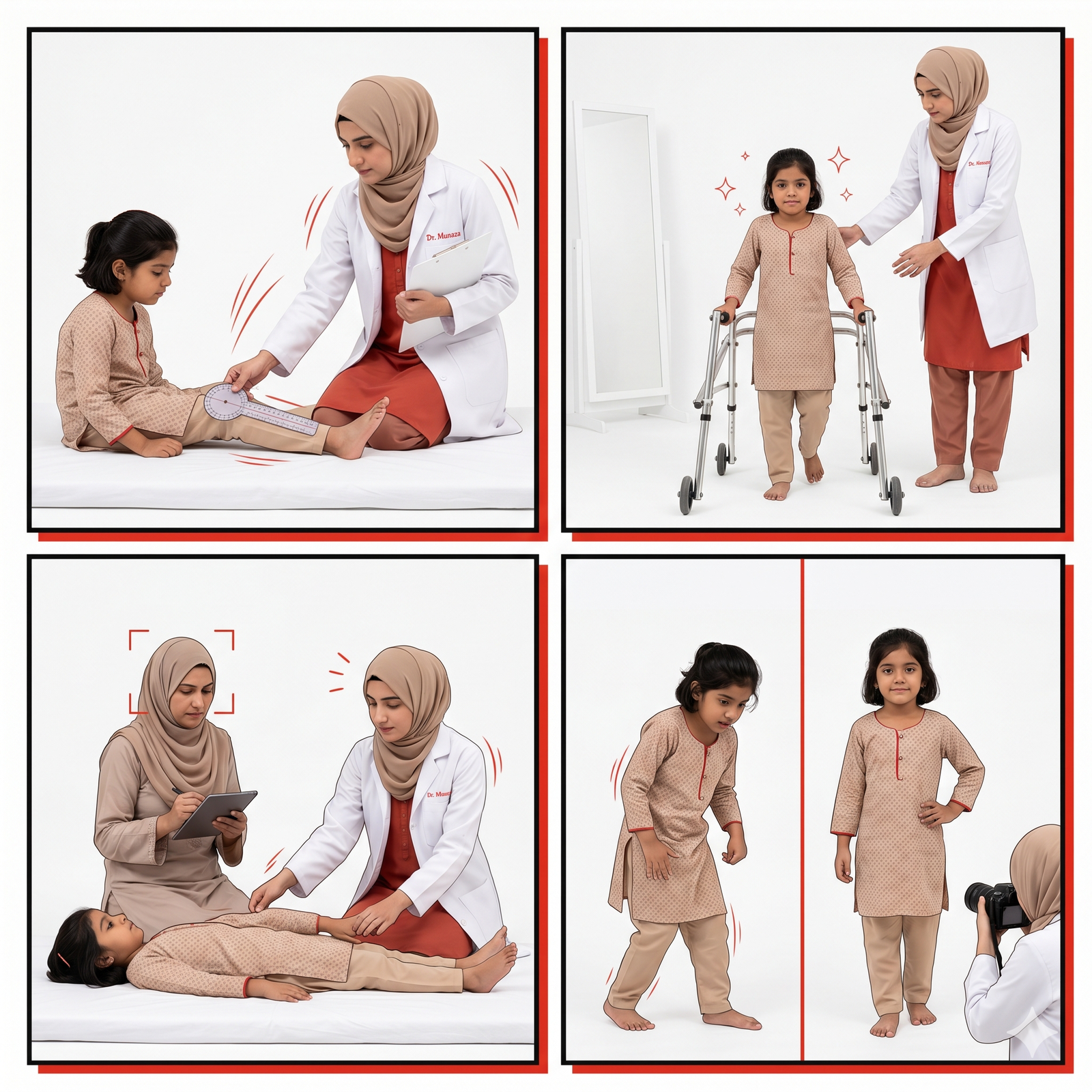

Monoplegia
One limb affected (rare). Usually an arm. Often accompanied by mild involvement of other limbs.
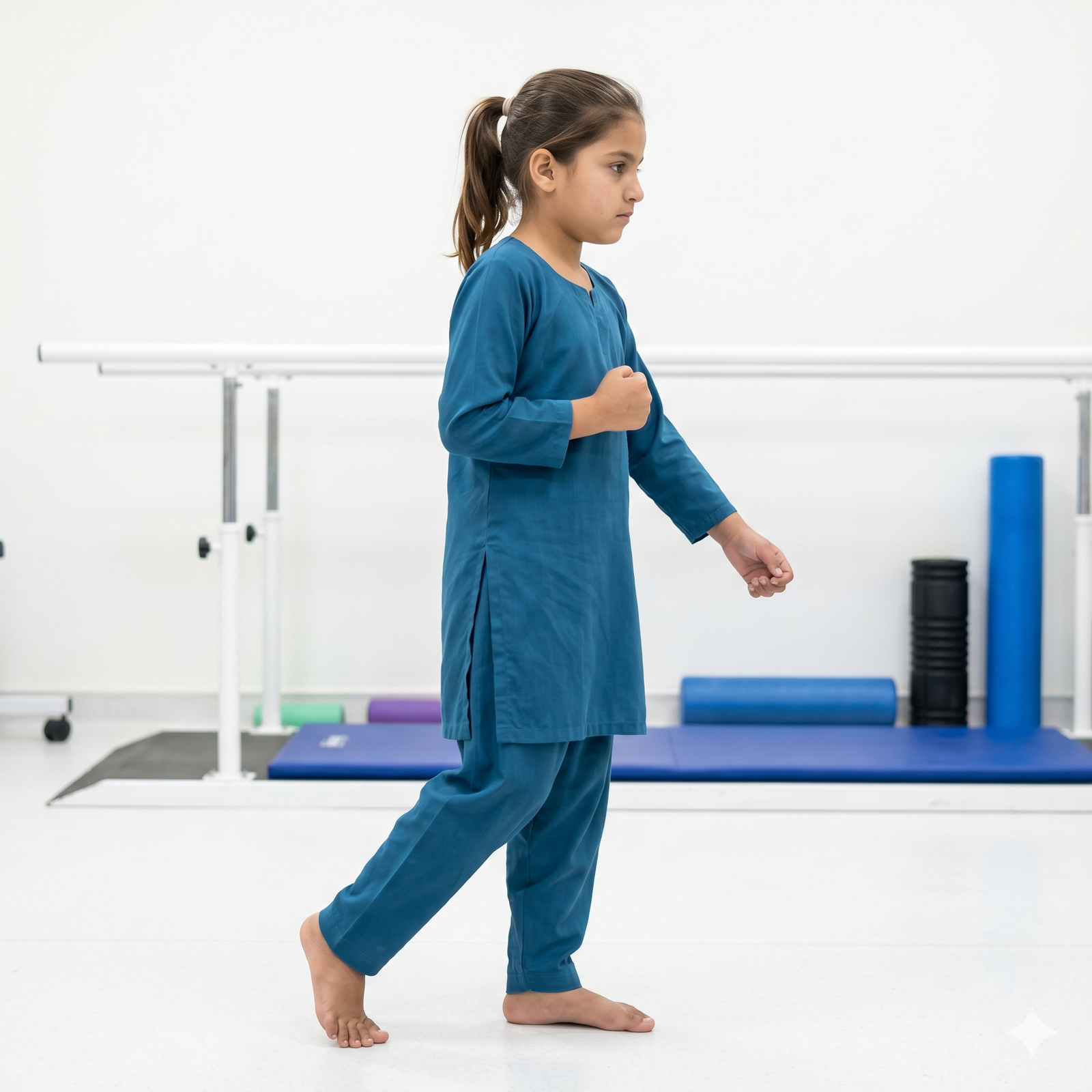
Hemiplegia
One side of body affected. Arm usually more affected than leg. Most common unilateral pattern.
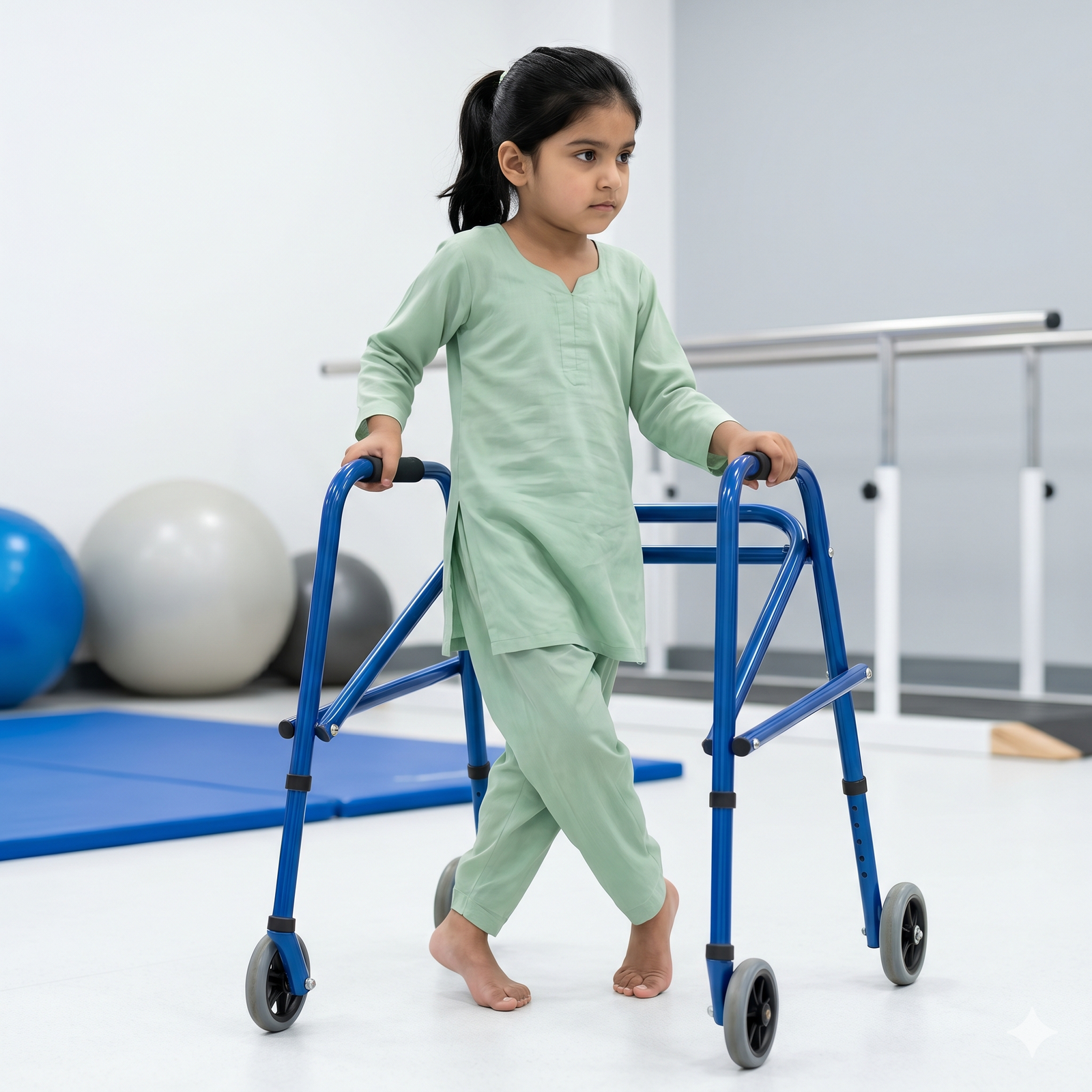
Diplegia
Both legs affected more than arms. Most common pattern in premature infants. Walking often delayed with scissoring gait.
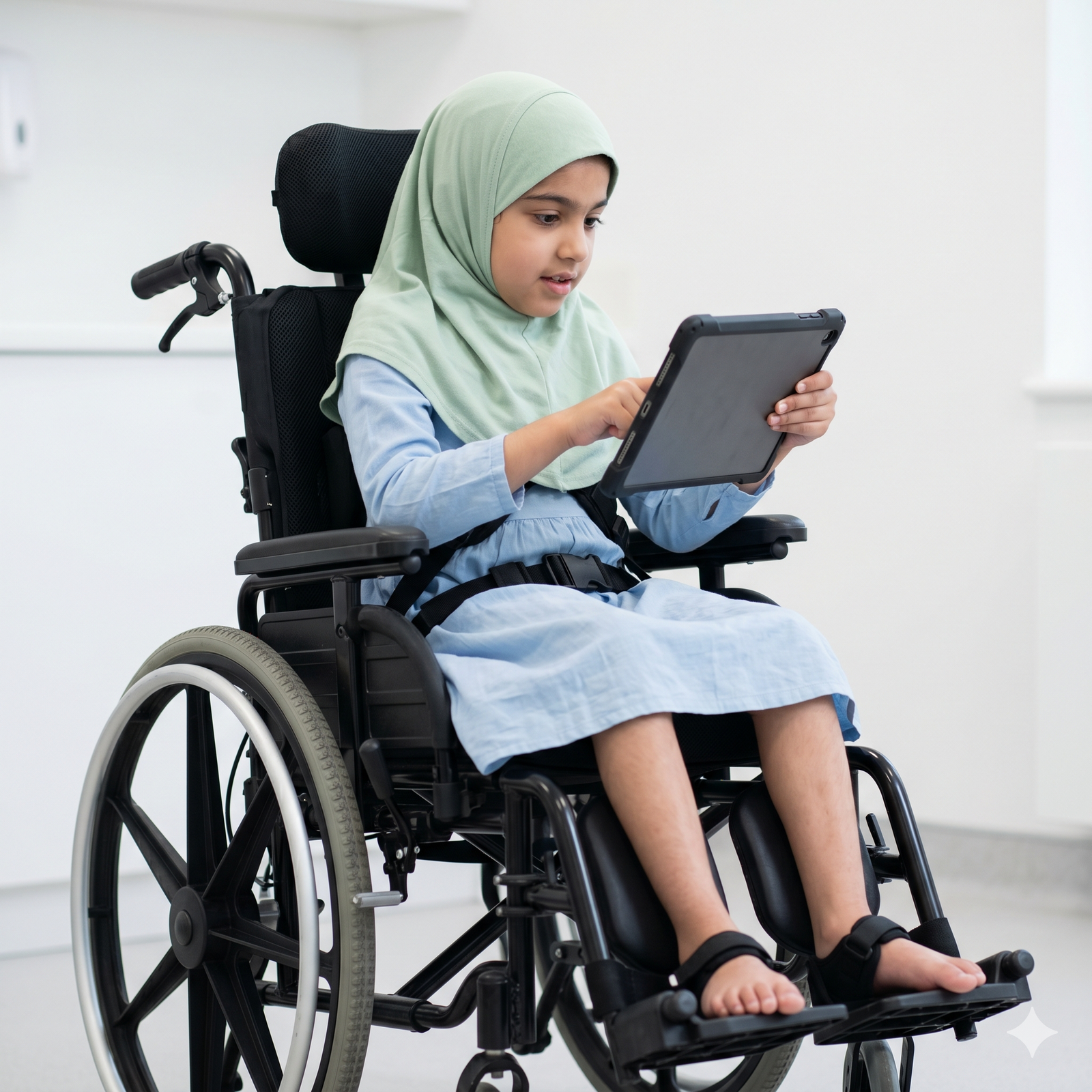
Triplegia
Three limbs affected (rare). Usually both legs and one arm. Asymmetric involvement pattern.
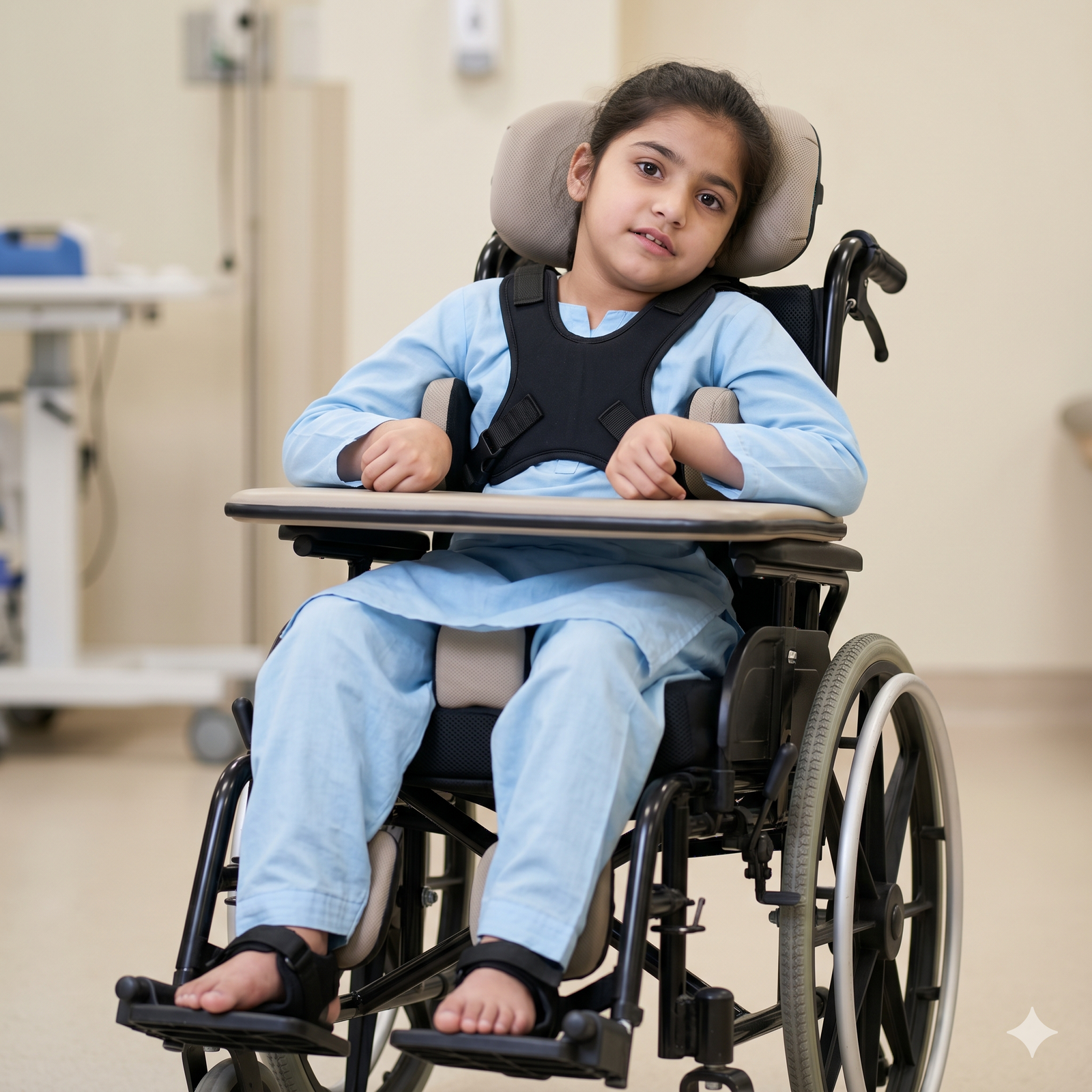
Quadriplegia (Tetraplegia)
All four limbs affected. Most severe form. Often involves trunk, face, and mouth. High association with intellectual disability and seizures.
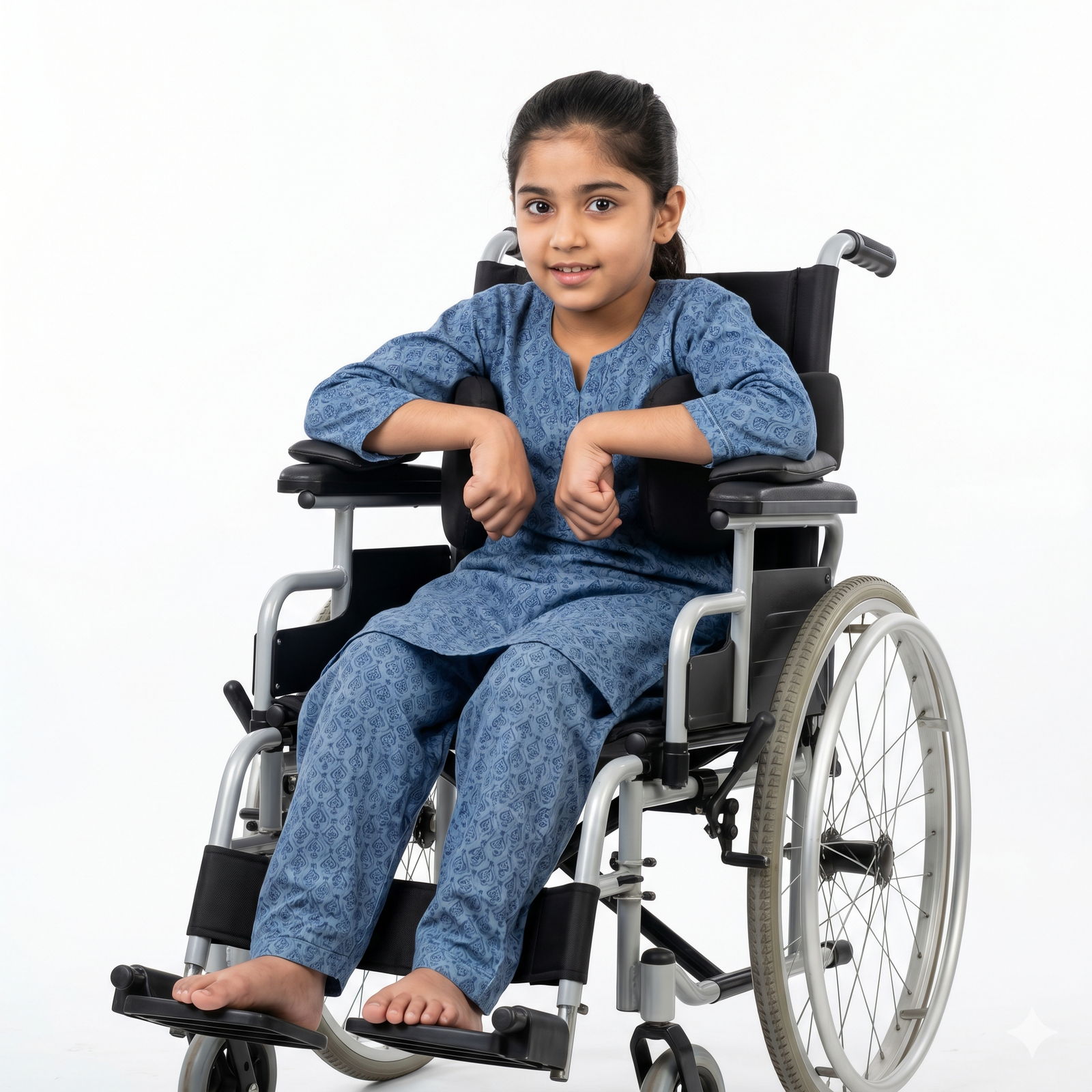
Double Hemiplegia
All four limbs affected. Arms more severely affected than legs. Distinguishes from quadriplegia by arm dominance.
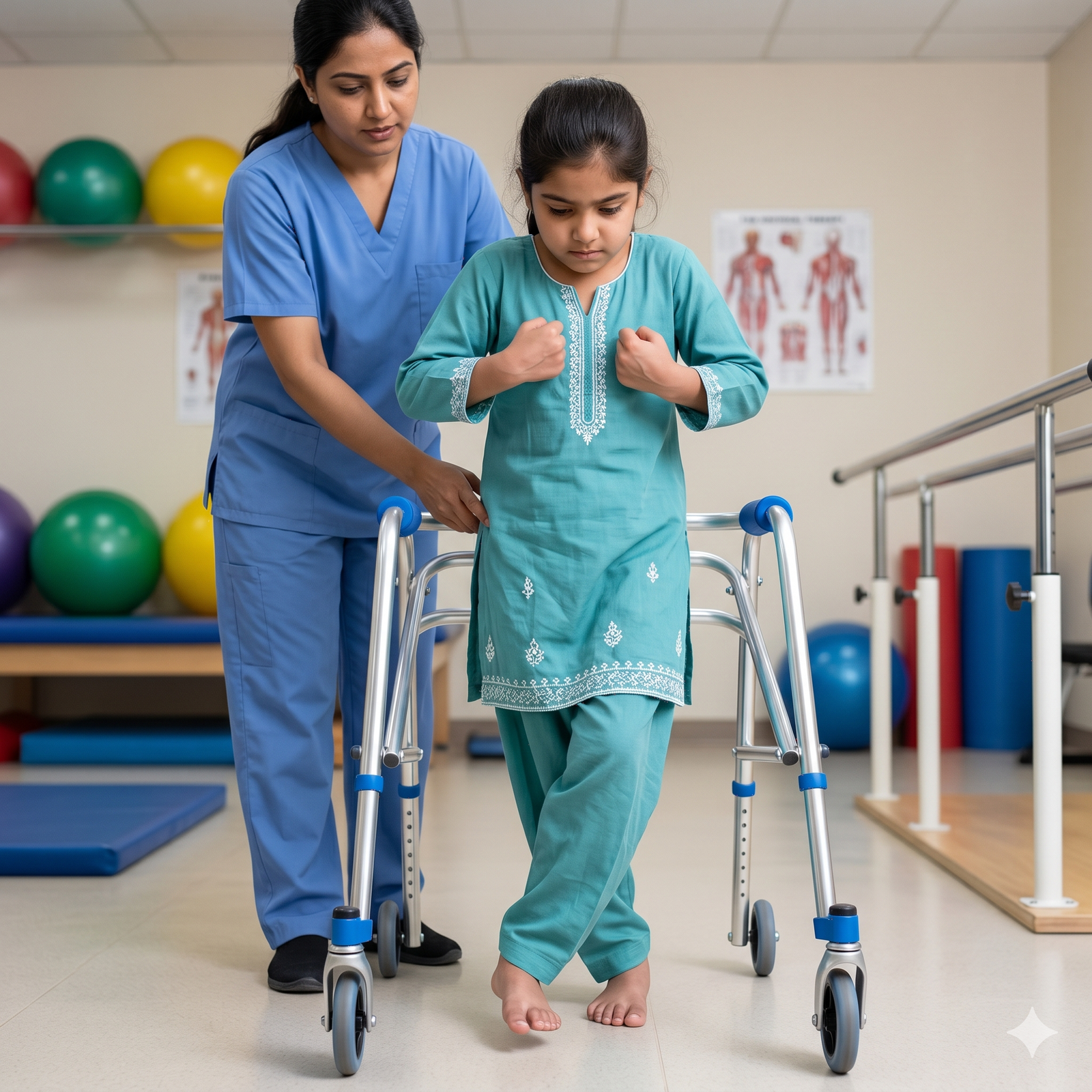
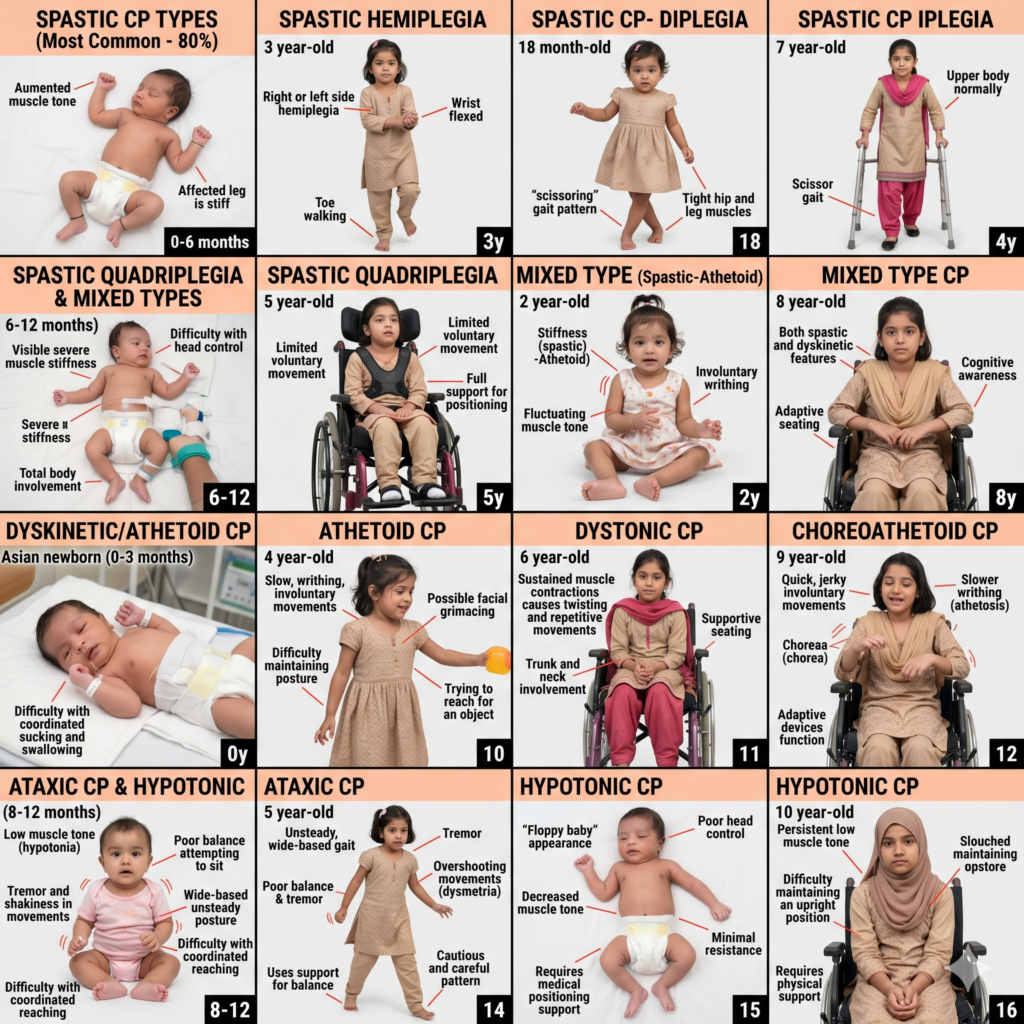
Spastic CP
Most common type (70-80%). Increased muscle tone (hypertonia). Muscles stiff and movements jerky. Exaggerated reflexes. Permanent muscle shortening (contractures) common.
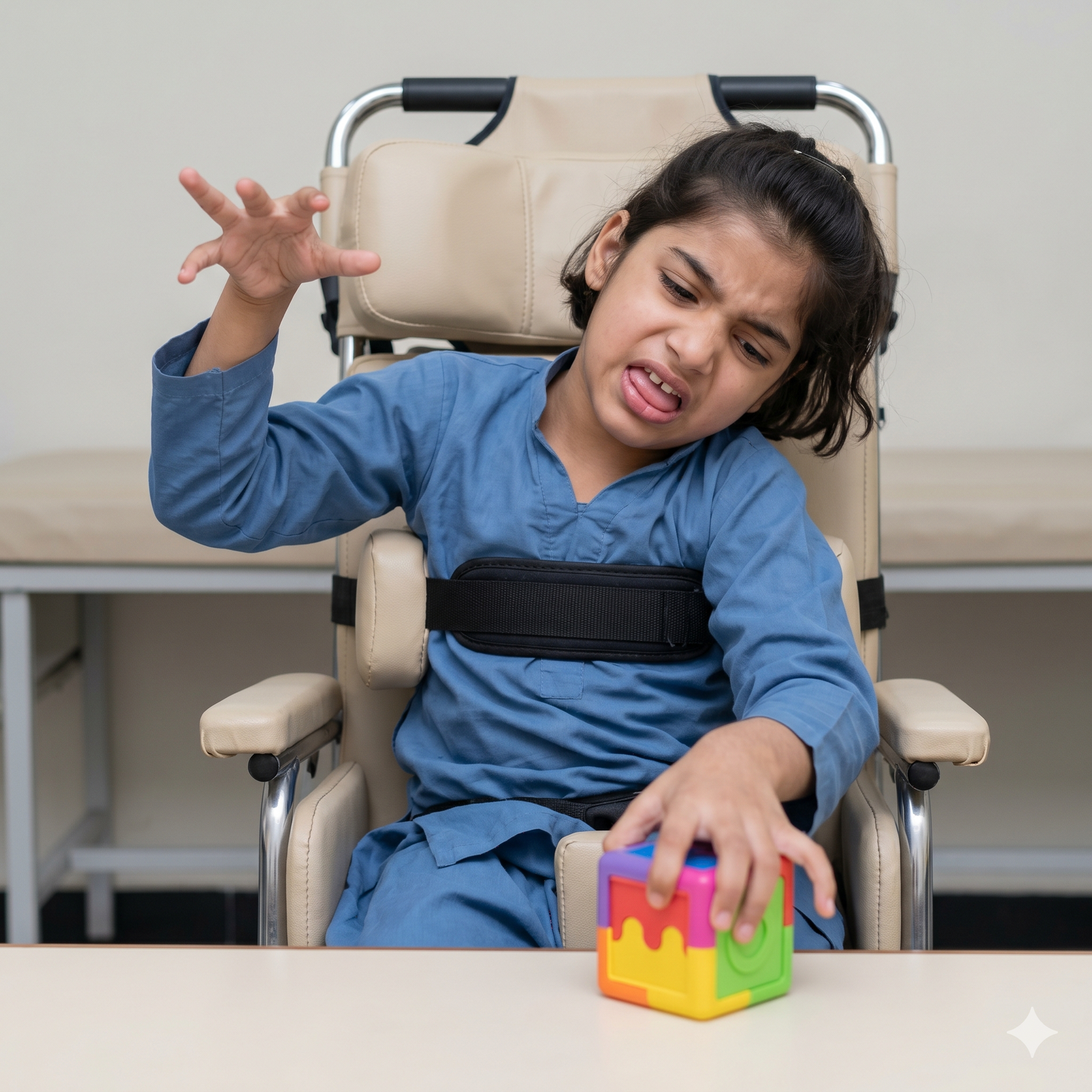
Dyskinetic CP
Involuntary, uncontrolled movements (10-20%). Fluctuating muscle tone. Slow, writhing movements (athetosis) or sustained muscle contractions (dystonia). Affects limbs, face, tongue.
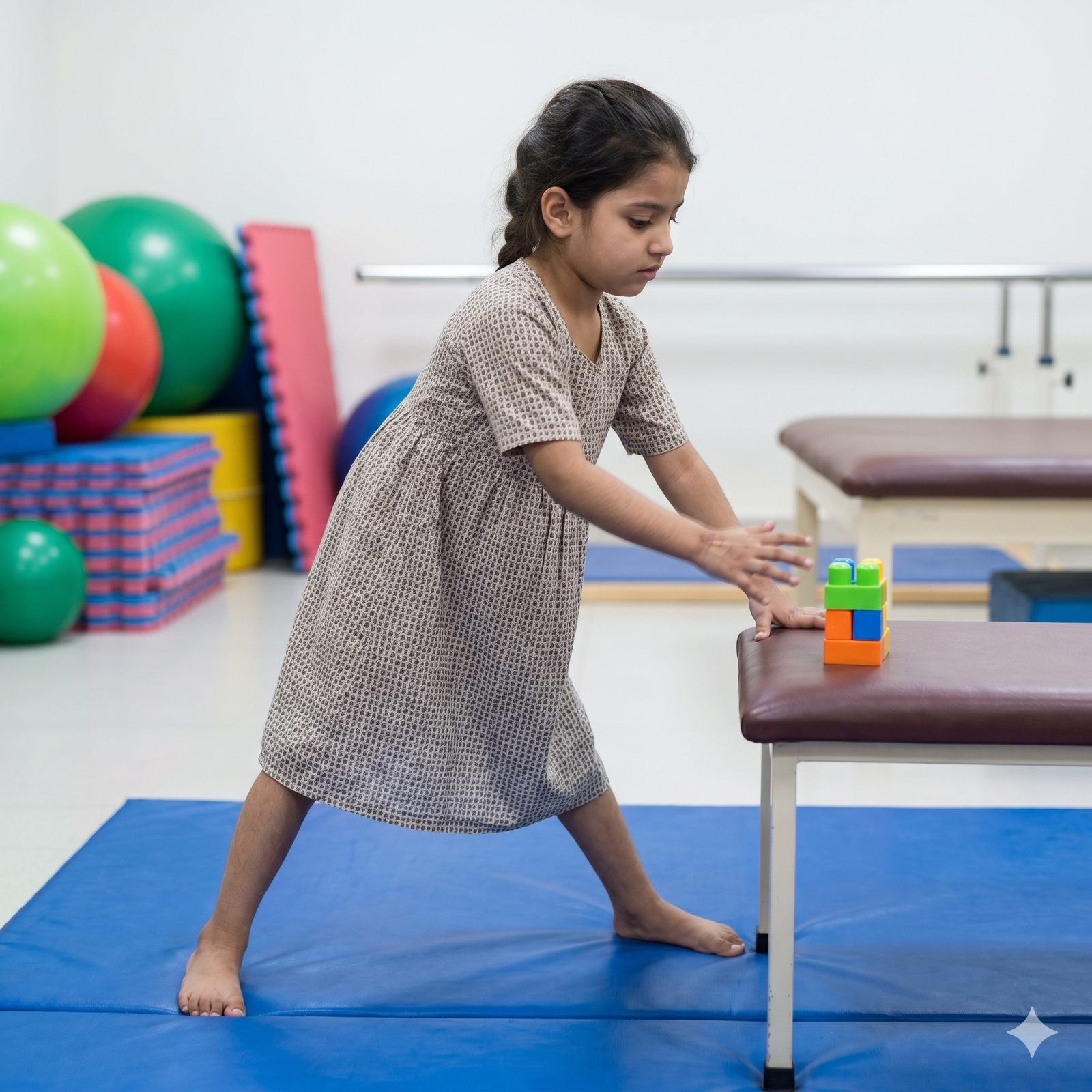
Ataxic CP
Affects balance and coordination (5-10%). Damage to cerebellum. Unsteady walk, difficulty with precise movements. Tremor during voluntary movement. Poor depth perception.
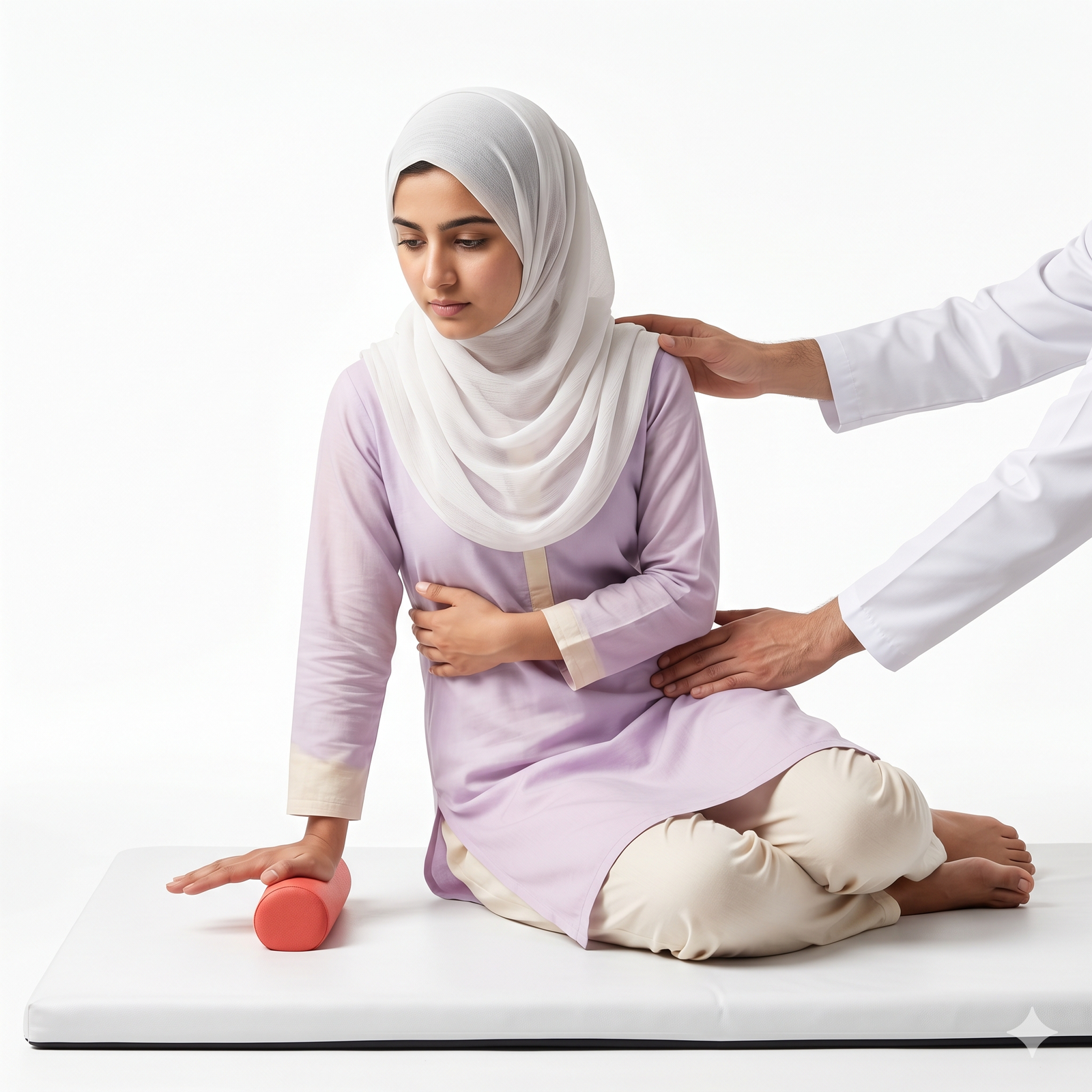
Neuro-Developmental Therapy (NDT)
Evidence-based approach emphasizing normal movement patterns. Focuses on postural control, muscle tone normalization, and functional movement development through guided facilitation.
- Normalizes muscle tone
- Promotes normal movement patterns
- Relax and rest for 5 seconds
- Progress to tighter closure over weeks
- Improves postural control
- Enhances functional abilities
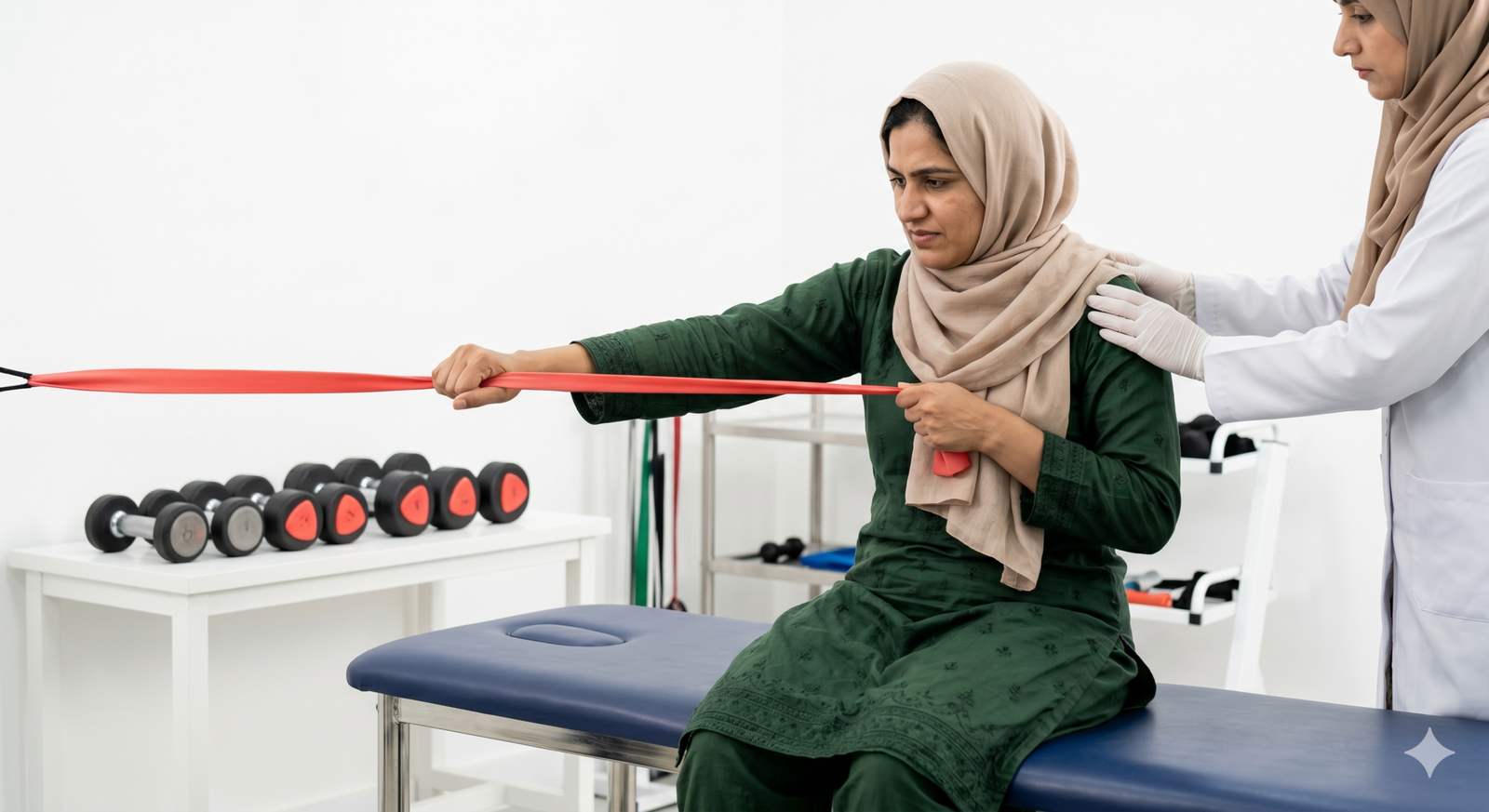
Progressive Resistance Training
Systematic strengthening of weak muscles. Improves functional capacity and independence. Adapted to individual abilities and goals for safe, effective strength development.
- Increases muscle strength
- Improves functional independence
- Enhances mobility and activity
- Builds muscle endurance

Conductive Education Principles
Holistic approach combining physical therapy with educational and developmental support. Emphasizes active participation and rhythmic intention to improve motor planning and execution.
- Holistic developmental approach
- Enhances motor planning
- Improves problem-solving
- Supports cognitive development
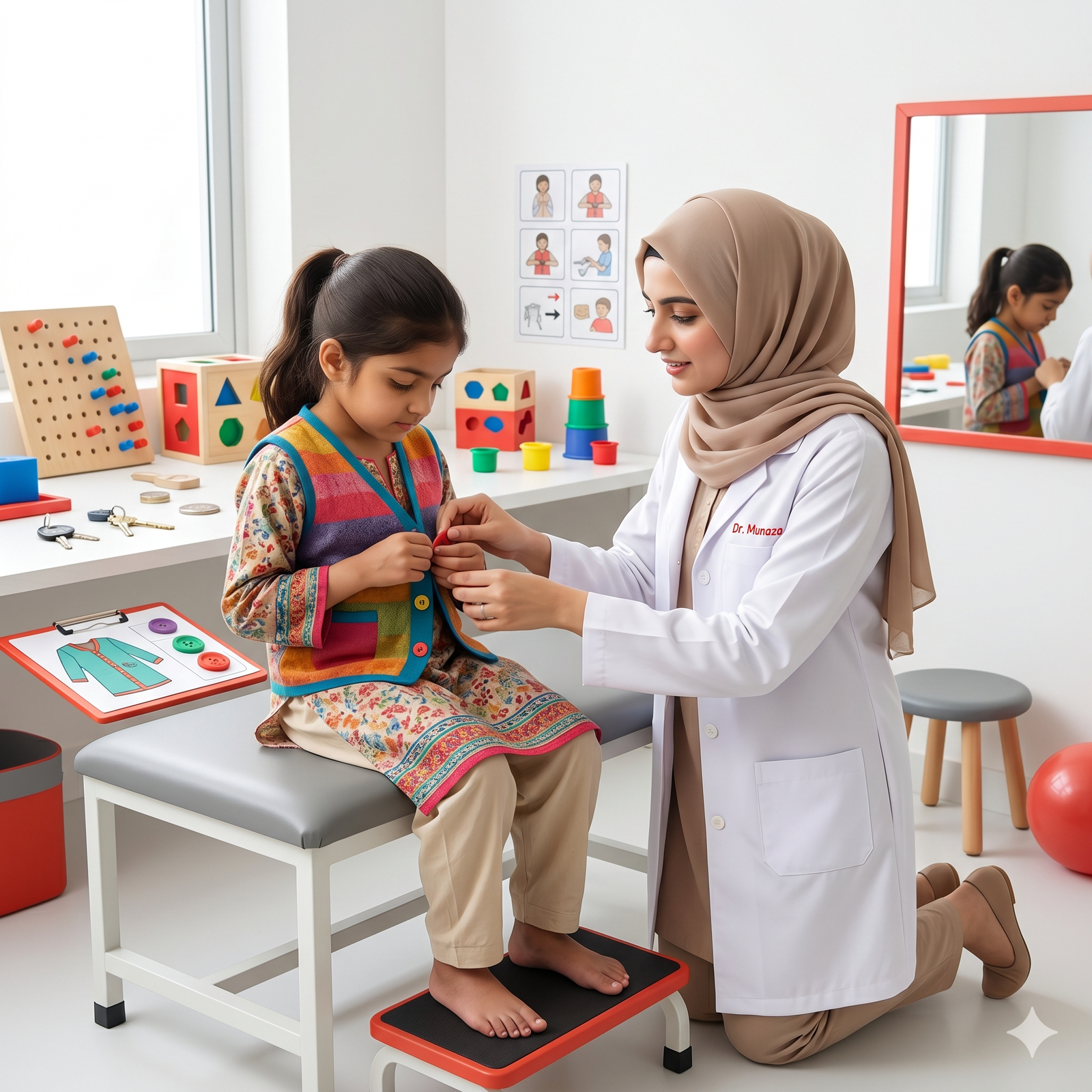
Task-Specific and Goal-Directed Training
Practice of specific functional activities repeatedly. Focuses on tasks meaningful to the patient. Enhances motor learning through repetition and functional context.
- Improves specific functional skills
- Enhances motor learning
- Increases independence
- Addresses real-life activities
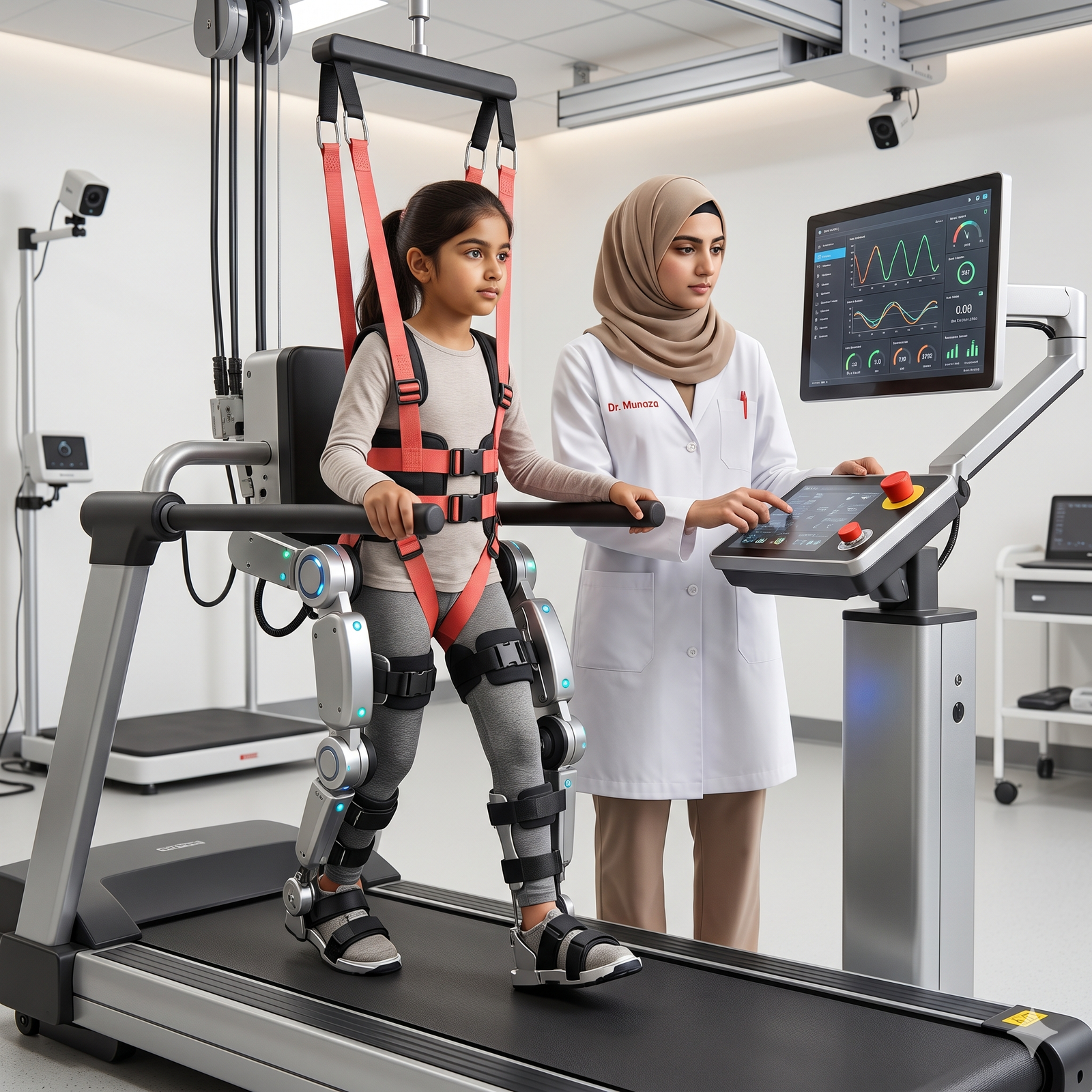
Robotic-Assisted Therapy
High-intensity, repetitive practice using robotic devices. Provides consistent, measurable assistance. Enhances motor learning through intensive, task-specific training.
- High-intensity repetitive practice
- Consistent feedback and measurement
- Enhances motor cortex plasticity
- Improves functional outcomes

Constraint-Induced Movement Therapy
Intensive practice of affected limbs with restriction of unaffected limbs. Promotes neuroplasticity and functional recovery. Requires commitment but shows significant results.
- Promotes neuroplasticity
- Watch for asymmetry and imbalance
- Increases affected limb use
- Improves functional capacity
- Shows long-term benefits