
Pain turning over in bed
One of the most recognisable signs. Often the thing that first disrupts sleep.
At night
Women’s Health · Pregnancy care · Lahore
Pain at the front of the pelvis, in the lower back or across the buttocks affects up to one in five women during pregnancy. It is a recognised, treatable musculoskeletal condition. It is not simply part of being pregnant, and not something to wait out until delivery.
At a glance
Pelvic girdle pain is managed without surgery, with hands-on therapy, exercise and load advice.
experience pelvic girdle pain.
Including the third trimester.
Two sacroiliac joints at the back and the pubic joint at the front.
Three to five exercises, built around your real routine.
What is it?
Pelvic girdle pain (PGP) is pain in the joints of the pelvis, usually the sacroiliac joints at the back or the pubic joint at the front, during or after pregnancy. It is caused by a combination of hormonal changes affecting joint stiffness, altered movement patterns, and the mechanical load of pregnancy.
Physiotherapy is one of the most effective treatments: manual therapy, targeted stabilisation exercises and practical movement advice reduce pain and improve function, and treatment can begin at any stage of pregnancy.
What you may notice
One of the most recognisable signs. Often the thing that first disrupts sleep.
At nightOr getting out of a car, or putting on trousers standing up. Anything on one leg.
On one legA sharp or aching pain at the front of the pelvis, sometimes described as grinding.
At the frontOften on one or both sides, near the dimples above the buttocks.
At the backIt can radiate, but rarely travels below the knee.
RadiatingA feeling that the pelvis clicks, grinds or is not well supported.
ClickingSCROLL FOR THE ASSESSMENT TO FIND YOUR ROOT CAUSE
Understanding it
Your pelvis is not one solid bone. It is a ring of bones held together by three joints, two sacroiliac joints at the back and the pubic symphysis at the front, and the muscles around them.
When you walk, climb stairs or turn over, the ring transfers load from one leg to the other.
Hormonal changes let the joints move more, your centre of gravity shifts forward, and the muscles that normally control the ring have to work differently.
When the load stops being shared evenly, one part of the ring takes too much, and that is where the pain is felt.
Why those movements
This is why pelvic girdle pain is not the same as general back pain. The ring passes load between your legs, so it is usually worse when one side works alone.
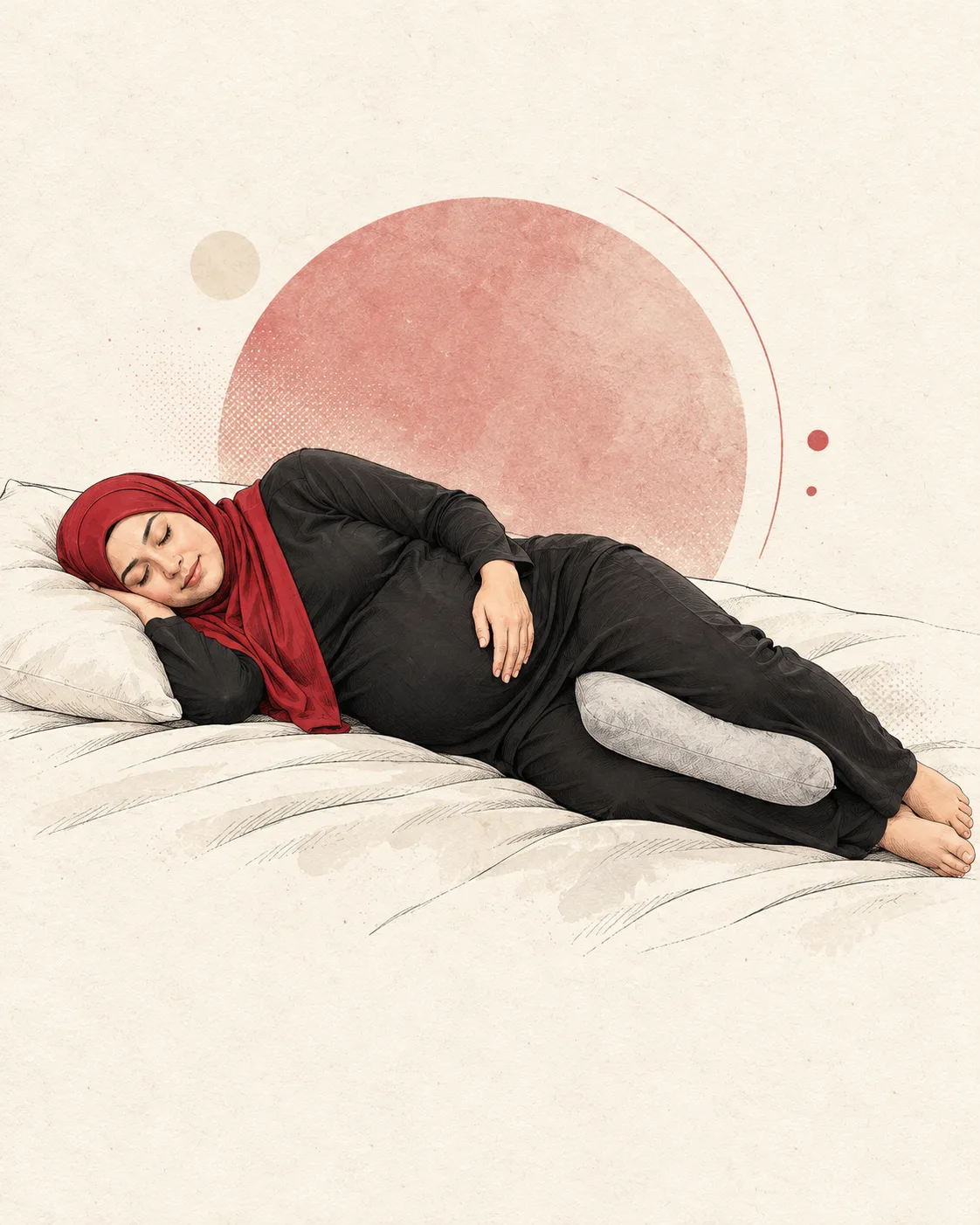
Often the first thing to disrupt sleep.
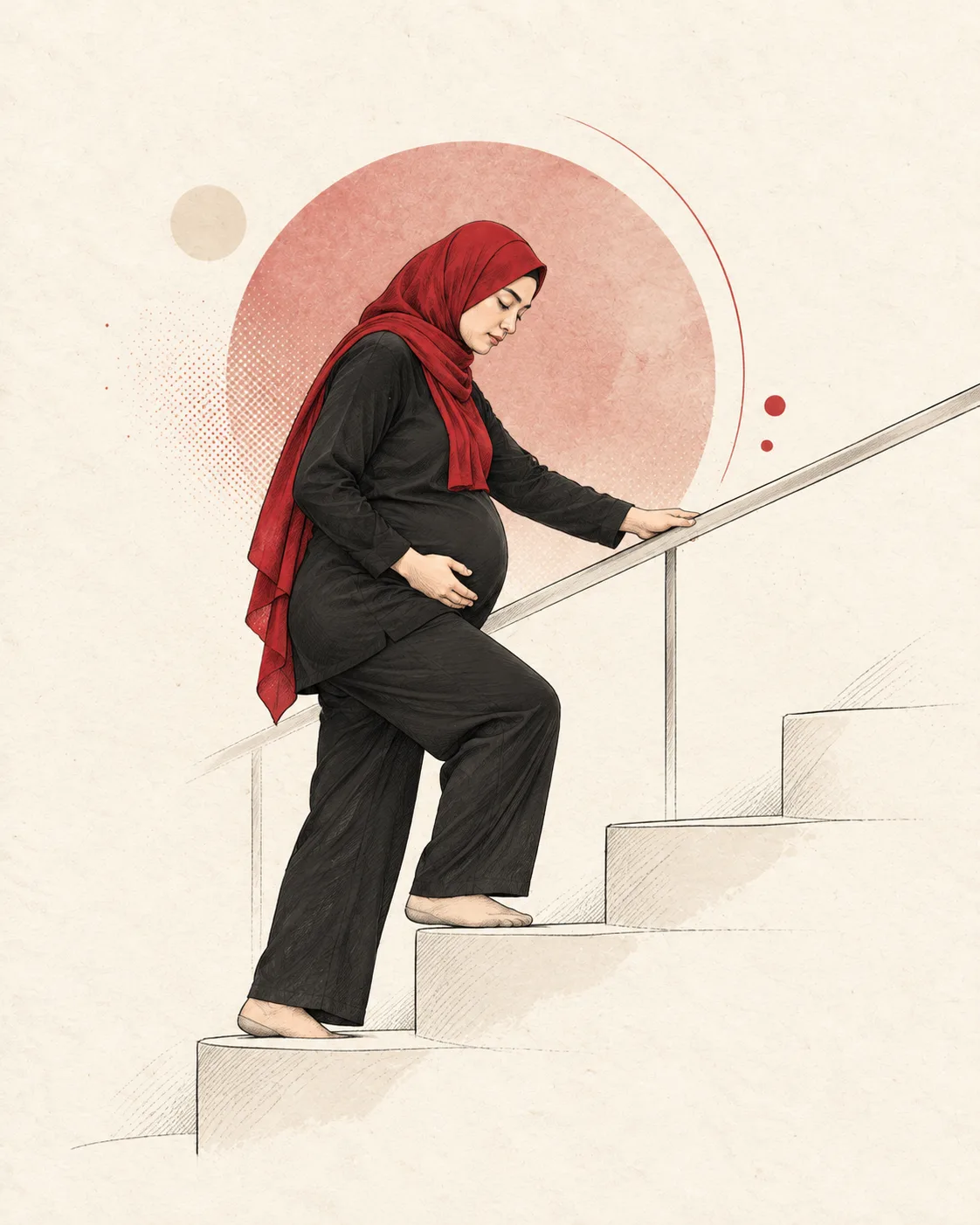
One leg carries you at a time.
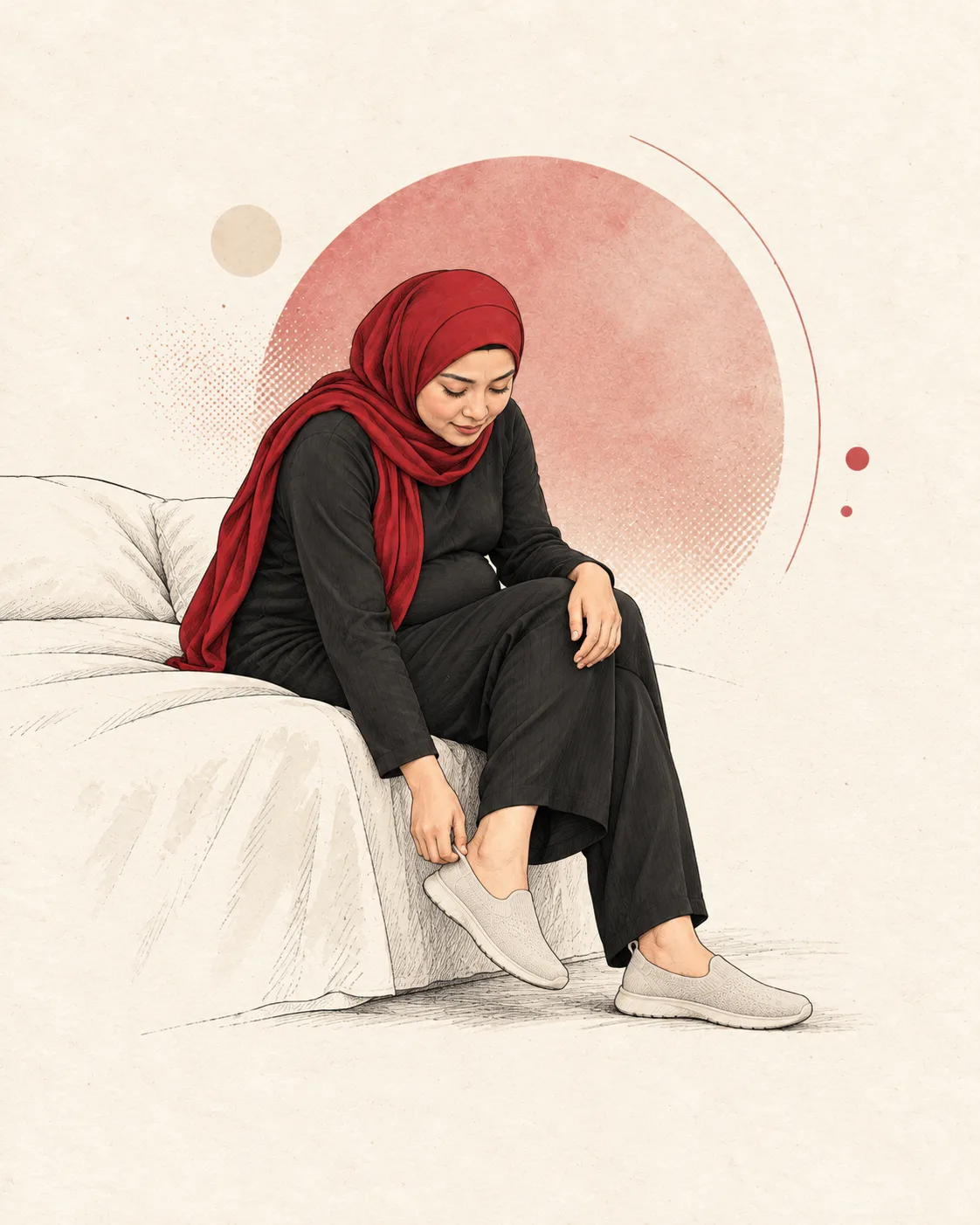
Standing on one leg to put on trousers is a common trigger.
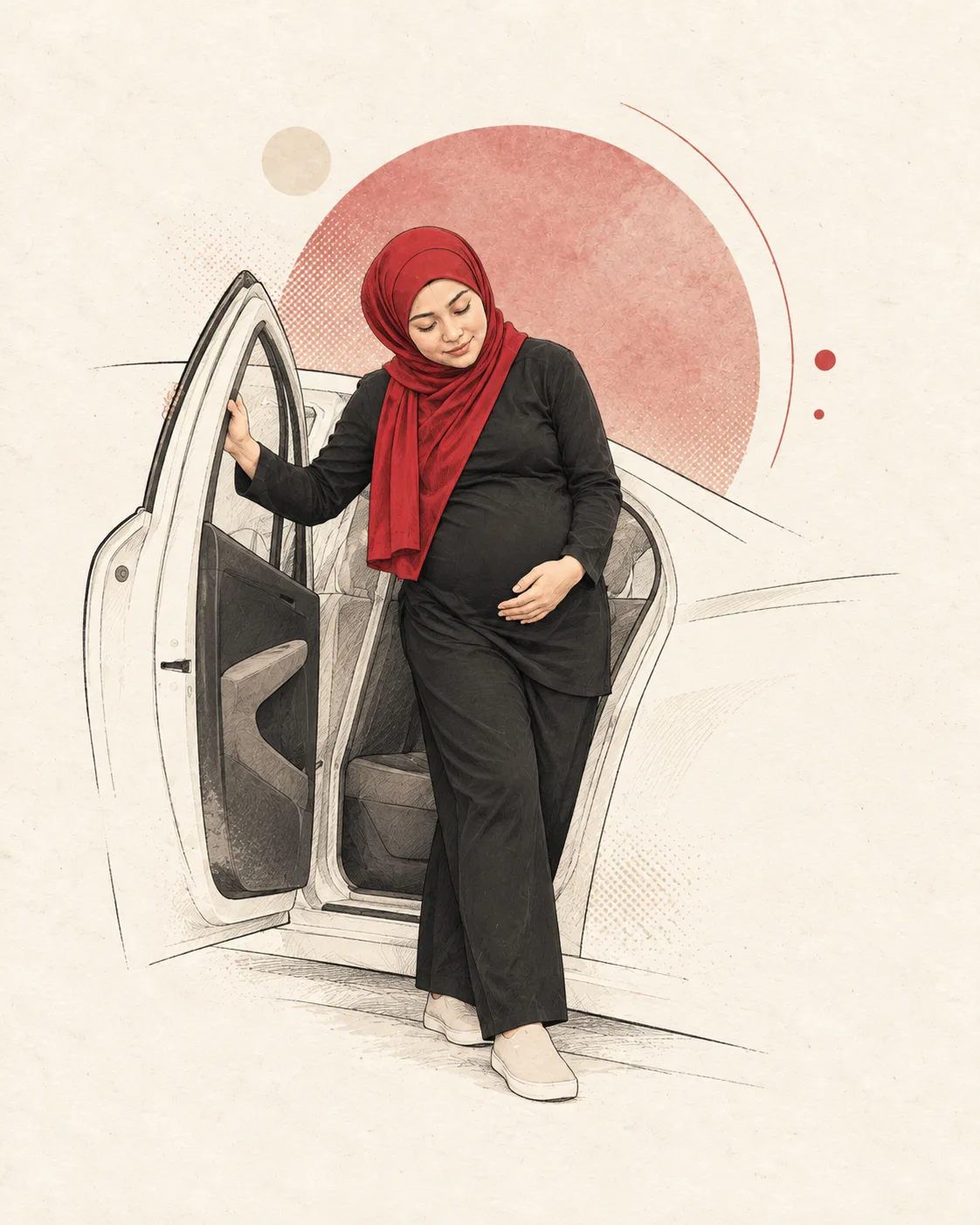
A one-sided transfer.
How far you walk matters too: symptoms respond to dose, not just to anatomy.
Telling them apart
They can feel similar and they need different treatment. The assessment tells them apart.
How we help
What helps is a plan built around which movements provoke your symptoms and what your days actually involve.
Examples at home
Examples of the kind of thing a plan may include. Which of them suits you depends on your assessment and your stage of pregnancy.
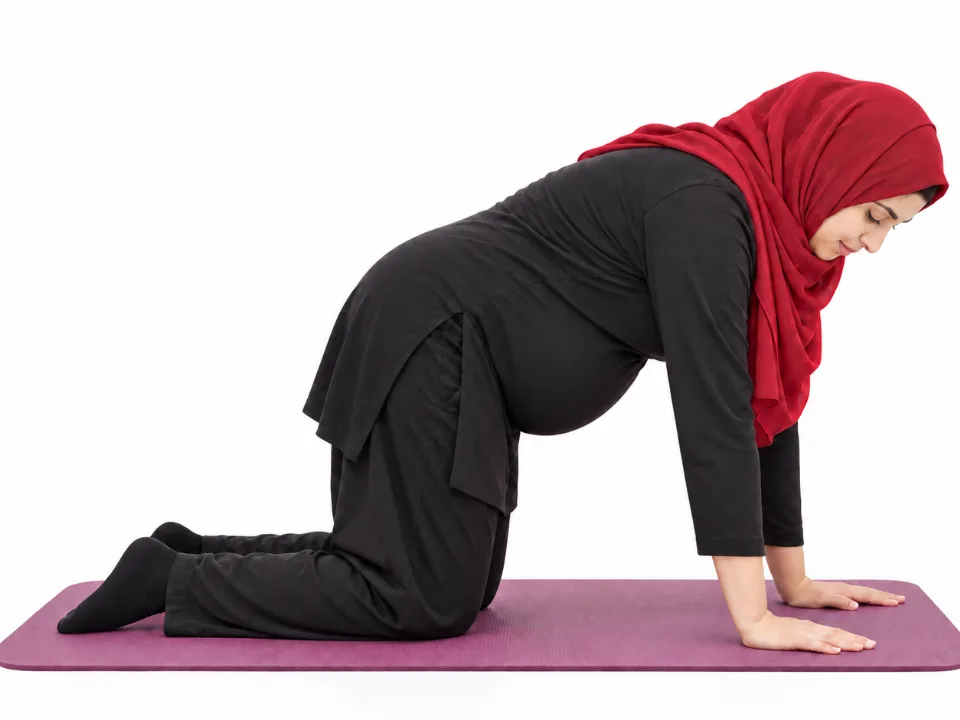
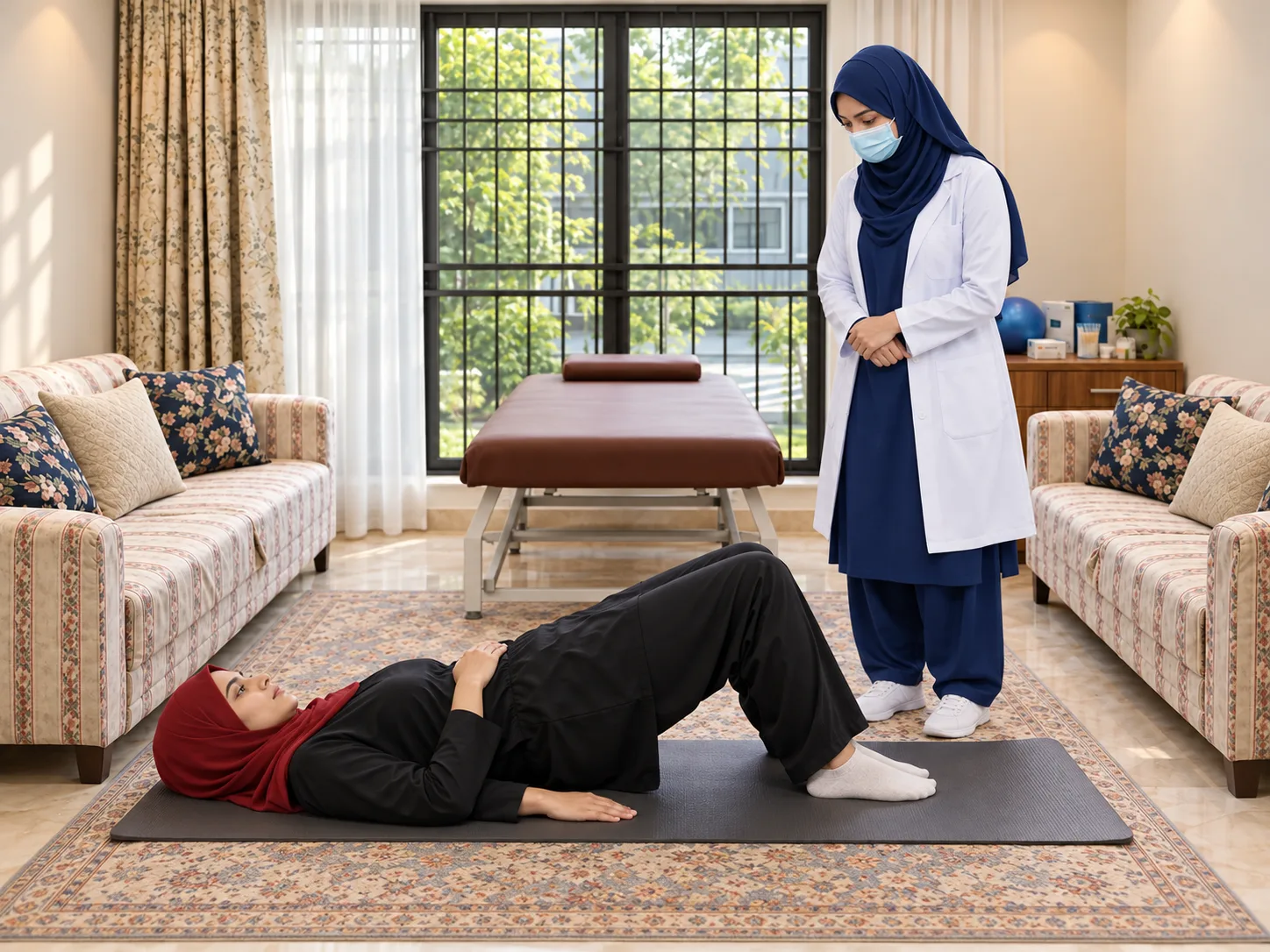
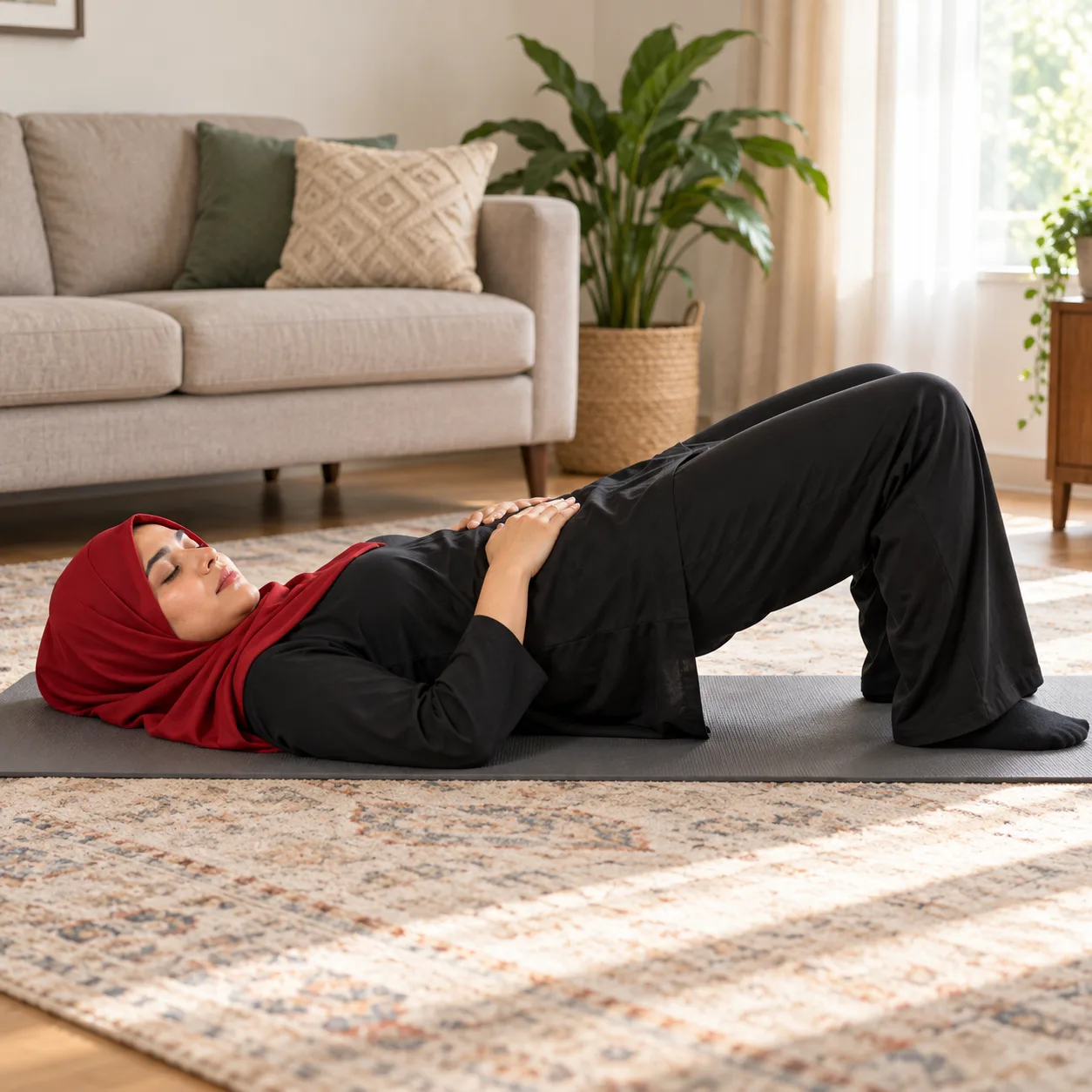
A gentle, symmetrical movement that takes weight off the pelvis.
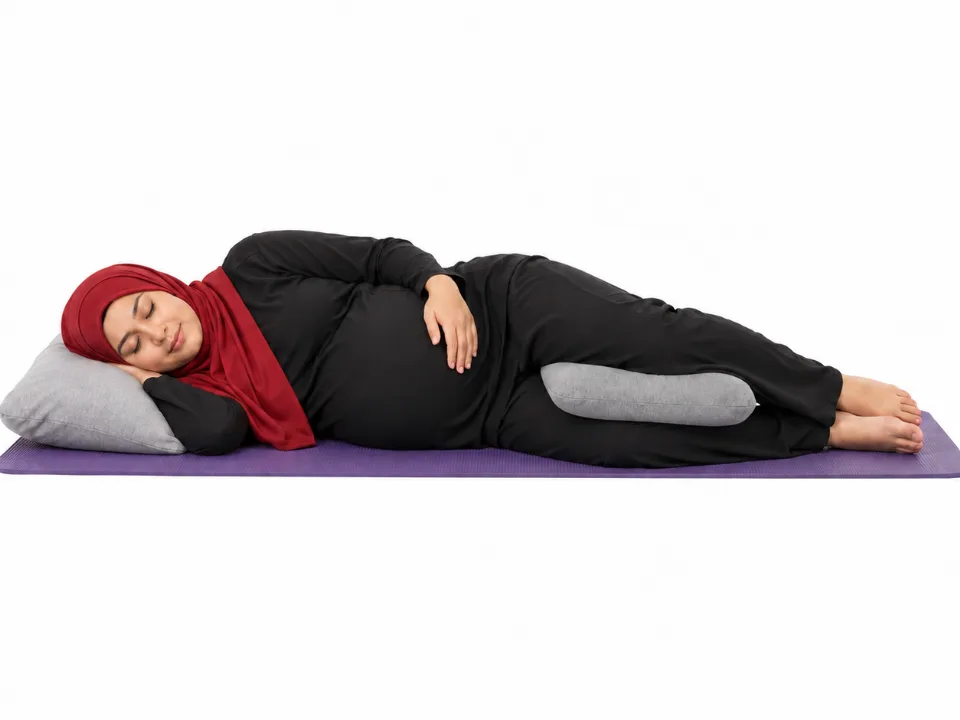
A supported position for resting and sleeping that keeps the pelvis level.
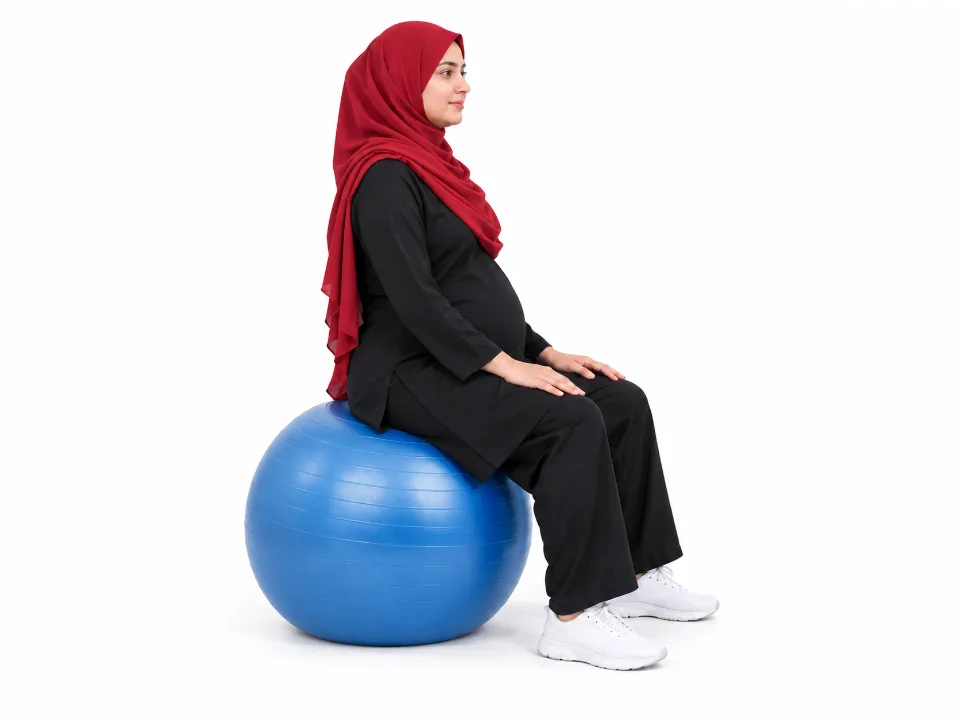
A supported way to find a comfortable, upright sitting position.
These are examples of what an assessment may build into a plan, not a programme to start on your own. Stop if anything increases your pain, and avoid high-impact, asymmetric or heavy-load work.
When to start
Treatment can begin at any point in pregnancy, and everything is adapted to your stage and comfort.
It is not something to wait out until delivery.
Built around which movements provoke your symptoms.
Gentle manual therapy and modified exercises, in comfortable supported positions.
For many women it improves significantly. Some still have pain, and treatment during pregnancy tends to shorten recovery.
Step by step
First 15 minutes. Where the pain is, what makes it worse, how it affects sleep, work and daily life, and what stage of pregnancy you are at. Nothing is dismissed as “just pregnancy”.
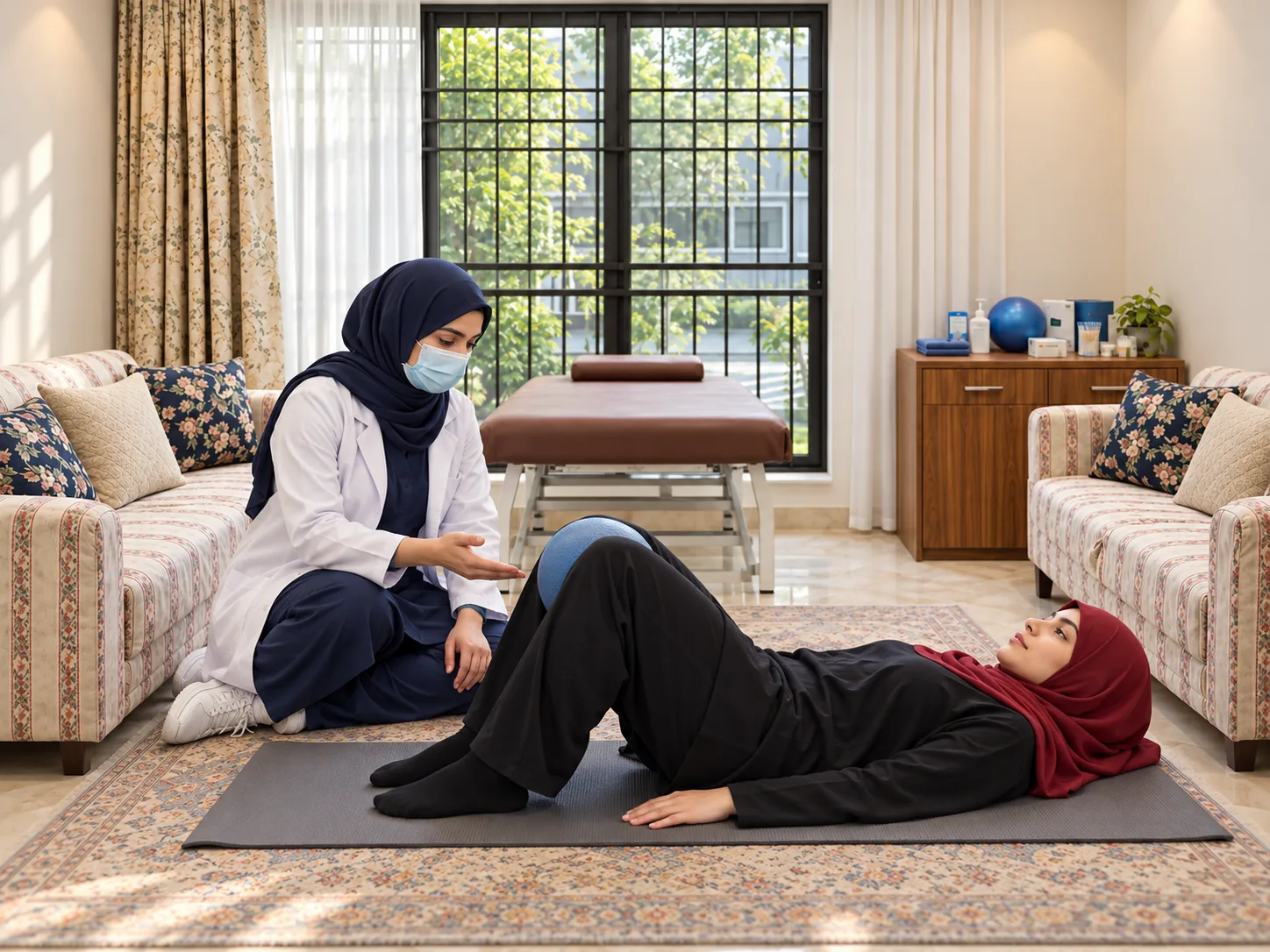
30 to 40 minutes. We assess how your pelvis, hips and trunk move through simple, comfortable movements. Every step is explained before it happens, and no forceful testing is used.
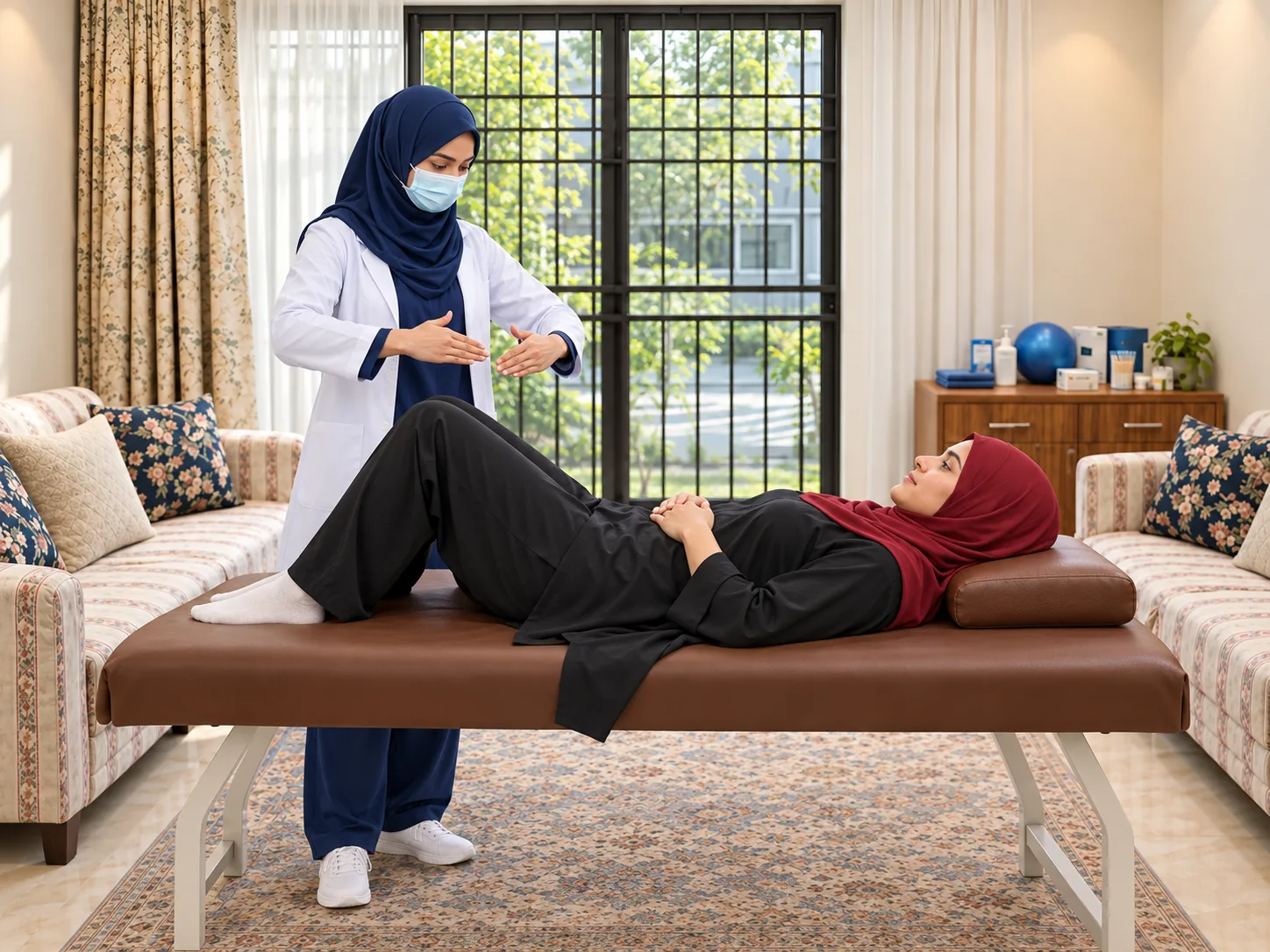
Same session. Gentle manual therapy for stiff or overworked areas around the pelvis, lower back and hips, in a position that suits your stage.
To take home. Specific stabilisation exercises, practical changes for sleeping, stairs, car transfers and household tasks, and advice on whether a support belt suits you.
Your first visit
Appointments are one-to-one with a female physiotherapist in a private, women-only studio. There is no shared waiting room, and no part of your history is discussed with anyone else.
It is never mandatory or assumed. Any intimate assessment requires a clear clinical reason, is explained first, and needs your specific consent. You may decline and still be treated.
You can pause or stop a session at any point, or ask for an external approach instead. That is a normal part of care here, not an inconvenience.
Obstetric, gynaecological and urogynaecology concerns are referred to the right colleague. Physiotherapy stays inside its professional scope.
You will leave your first session with an explanation of what is happening in your body, hands-on treatment if it is appropriate that day, and a short home plan built around your real routine.
Questions
No. Sciatica is nerve-related pain that typically travels below the knee in a specific pattern. Pelvic girdle pain is joint- and muscle-related pain around the pelvis, and while it can radiate into the buttock or thigh it rarely goes below the knee. They need different treatment, which is why the assessment matters.
For many women it improves significantly after delivery, as the hormonal and mechanical loads change. Some women do continue to have pain postnatally. Getting treatment during pregnancy tends to shorten recovery and reduces the chance of the pain persisting.
No. Even in late pregnancy, gentle manual therapy, posture and movement advice and modified exercises can reduce pain and make daily life easier. Everything is adapted to your stage and comfort.
It is better to get advice first. A belt in the wrong position, or the wrong belt for your pattern of pain, can increase discomfort. We can assess whether one suits you and show you how to position and use it.
Usually yes, but the type of exercise matters. General prenatal classes are not always appropriate. We prescribe specific stabilisation exercises that support the pelvis rather than stress it, and avoid high-impact, asymmetric or heavy-load work.
No examination is automatic or mandatory. Any intimate assessment must be clinically relevant, explained in advance and specifically consented to, and you can decline it and still receive effective treatment. Most pelvic girdle pain assessment is external movement testing.
The studio is a private, home-based space in Hasham Street, Karim Block, Allama Iqbal Town, Lahore. We share exact directions after booking, so your visit stays discreet.
Safety first
Your next step
You do not need the right medical words, or a diagnosis. Tell us what is getting in the way, turning in bed, stairs, walking, and we will tell you honestly whether physiotherapy can help. Women-only · One-to-one · Your details stay between you and your clinician.