
Leaking with coughing or exercise
Even small amounts, with laughing, sneezing, jumping or lifting.
Under load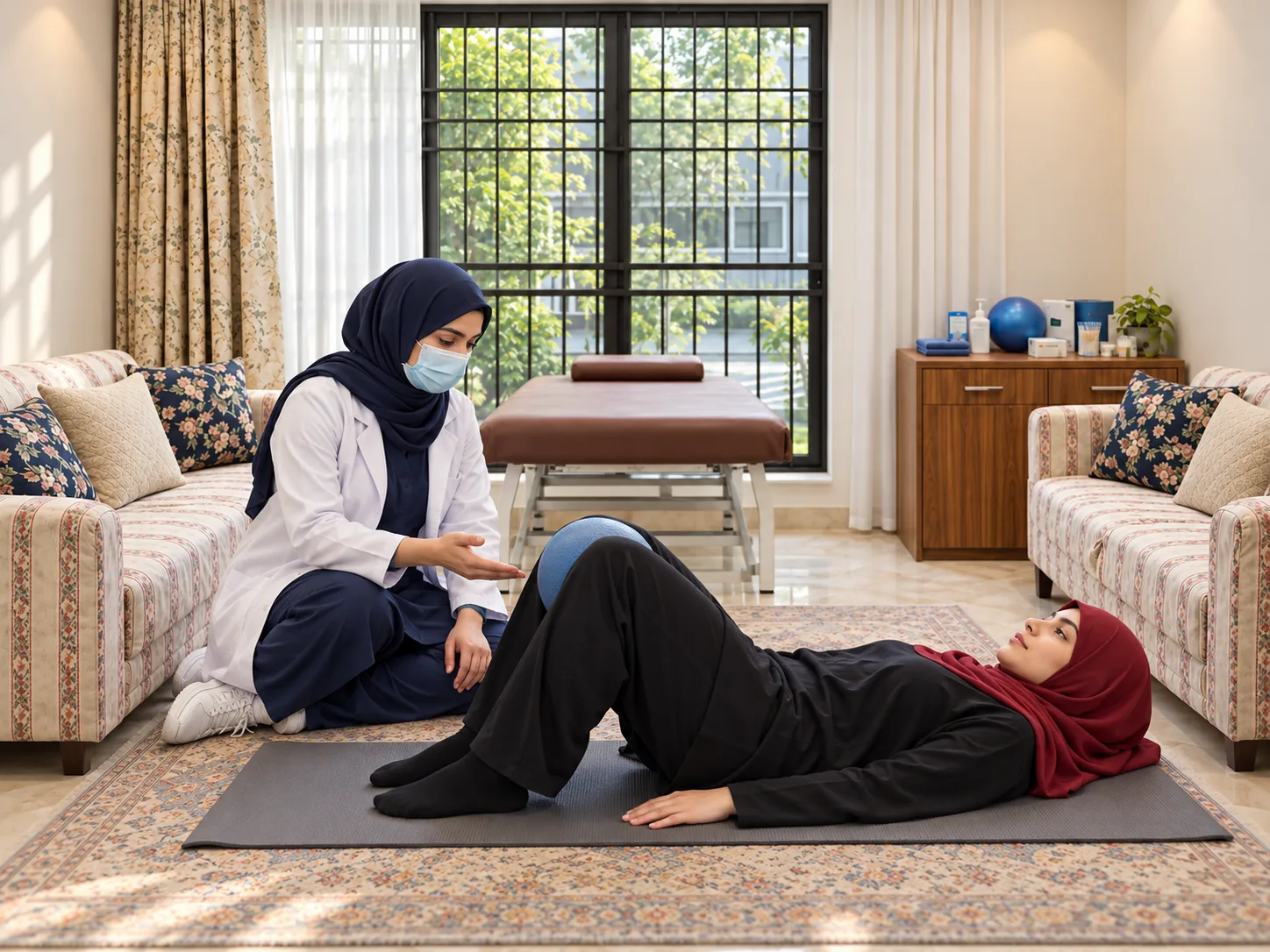
Women’s Health · Pelvic health · Lahore
Pelvic floor dysfunction covers leaking with coughing or exercise, sudden urgency, or a feeling of heaviness, caused by pelvic floor muscles that are too weak, too tight, or not coordinating well. It is common, and it is treatable with the right assessment.
What is it?
The pelvic floor is a group of muscles that support the bladder, bowel and womb, and control continence. “Dysfunction” means those muscles aren’t working the way they should: sometimes too weak to hold things in, sometimes too tight to relax properly, and sometimes simply not coordinating with your breath and core.
Physiotherapy starts with working out which of those patterns is actually yours, because weak and tight pelvic floors need opposite treatment. Strengthening one that’s already overactive makes it worse, not better.
What you may notice
Even small amounts, with laughing, sneezing, jumping or lifting.
Under loadA need to reach the bathroom immediately, sometimes without much warning.
UrgencyEspecially by the end of the day, or after standing for a while.
HeavinessDiscomfort or pain that can point to an overly tight pelvic floor.
PainA sense that the bladder or bowel hasn’t completely emptied.
EmptyingKnowing where every bathroom is on a route, just in case.
Daily lifeSCROLL FOR THE ASSESSMENT TO FIND YOUR ROOT CAUSE
Understanding it
The pelvic floor is a broad sling of muscle from the pubic bone to the tailbone, supporting the bladder, bowel and womb from underneath. It works constantly, adjusting tension as you breathe, move, cough or lift, most of it without you ever thinking about it.
They move together automatically. Poor coordination here shows up as leaking or urgency under load.
A pelvic floor that can’t relax is as much a problem as one that can’t contract.
Posture, breathing and the deep core all share the load with the pelvic floor.
Our advanced treatment techniques
There is no single exercise that helps every pelvic floor. What helps depends on whether yours is weak, tight, or struggling to coordinate, and treatment starts by working that out.
It can’t resist the downward pressure of a cough or a jump, and leaking or heaviness follows.
Often from years of unconsciously holding tension, sometimes after birth trauma or surgery. A muscle that can’t fully relax also can’t fully do its job.
The muscles aren’t working with your breath and core, which shows up as leaking or urgency under load.
Examples at home
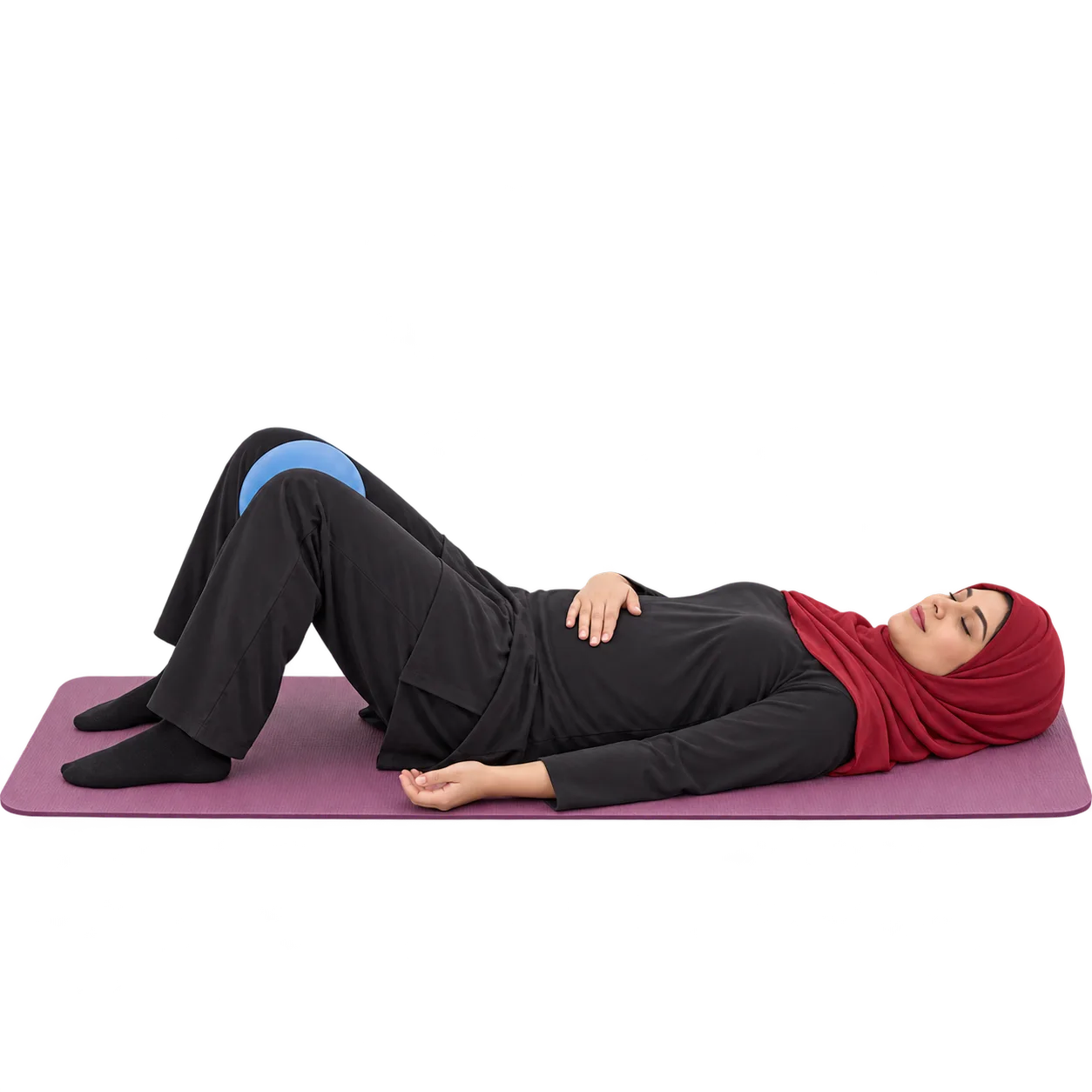
Slow, low-effort movements with the breath. Which of them helps, and in what order, depends on your pattern.
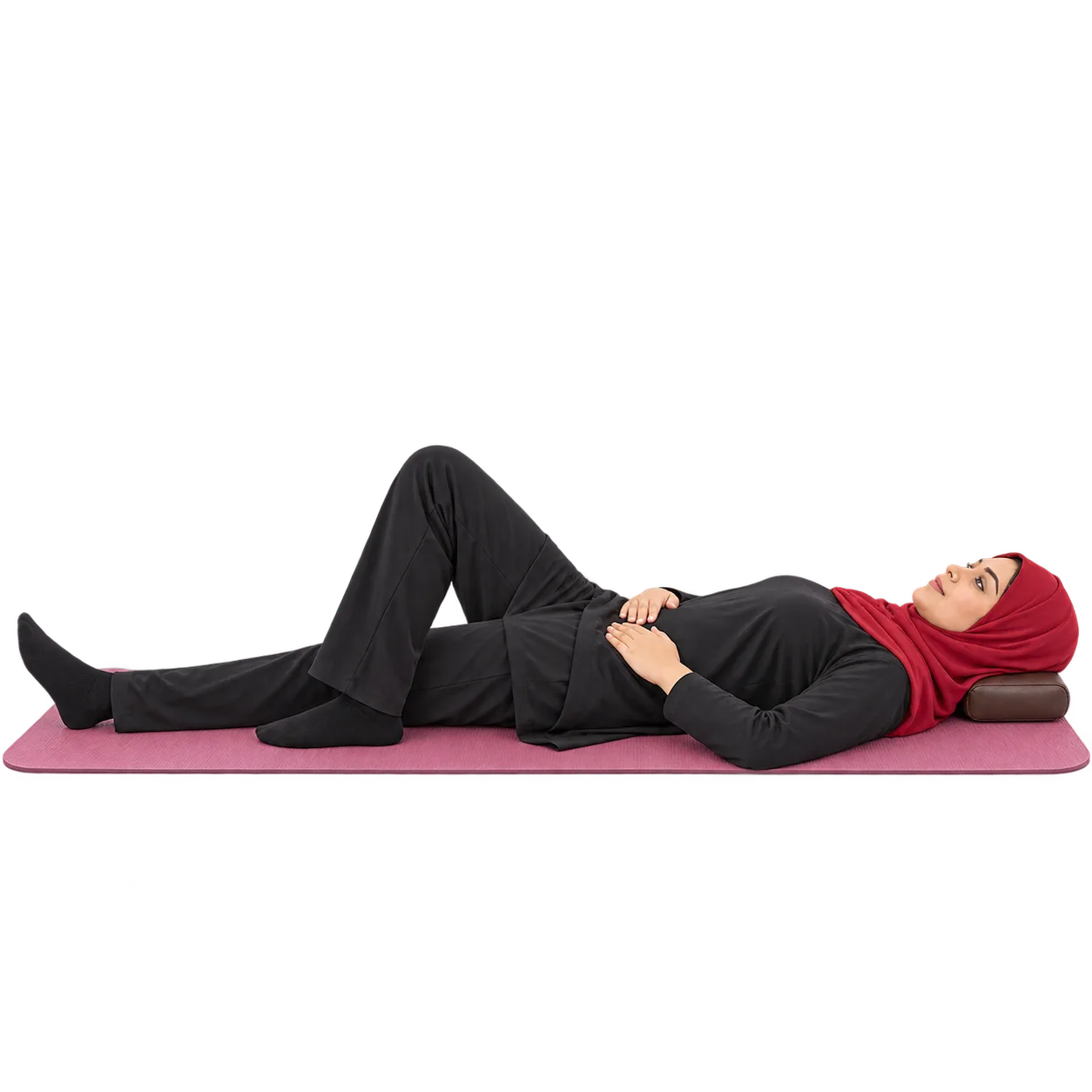
Let the pelvic floor soften on the breath in, and settle back as you breathe out.
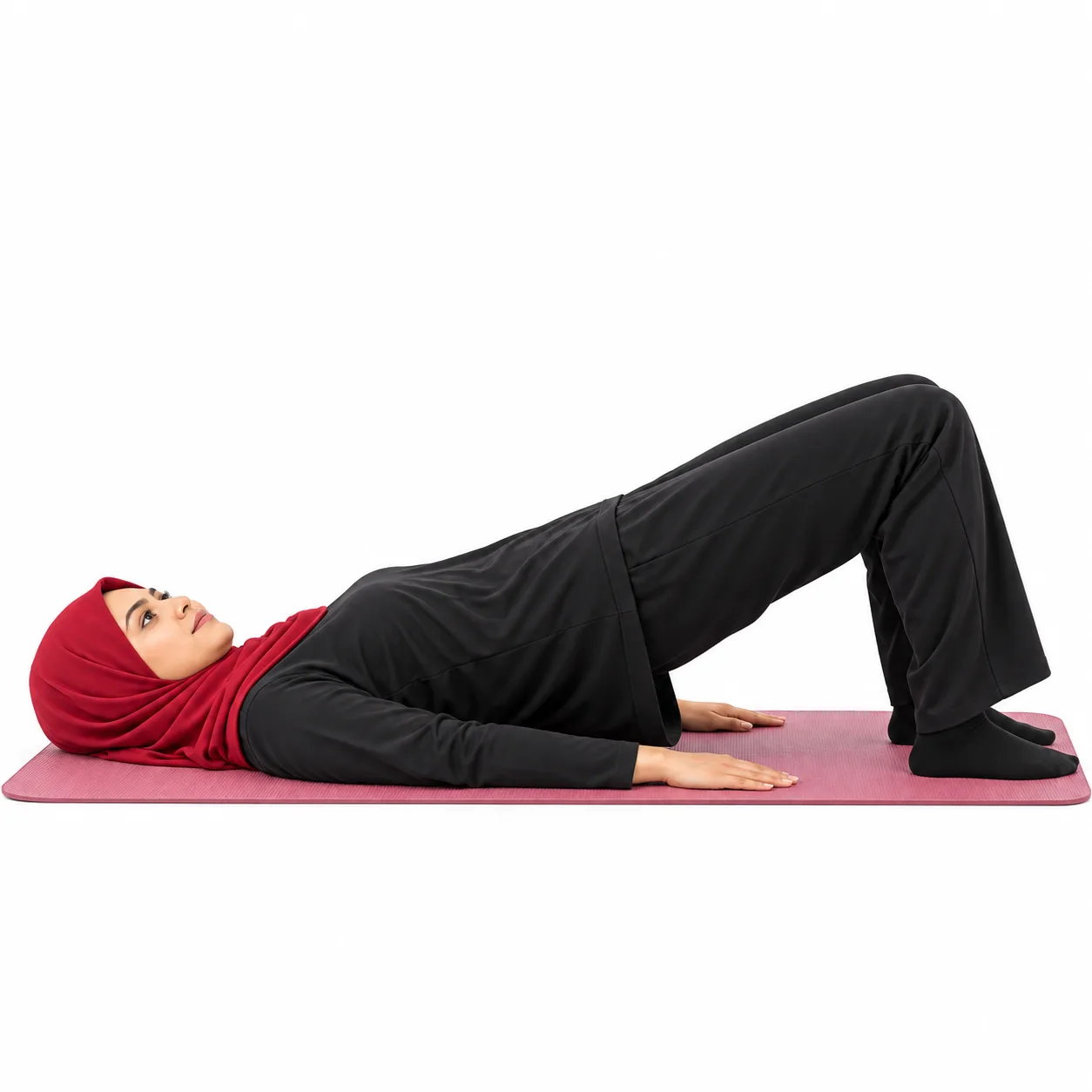
Coordinate the breath, the deep core and the hips without strain.
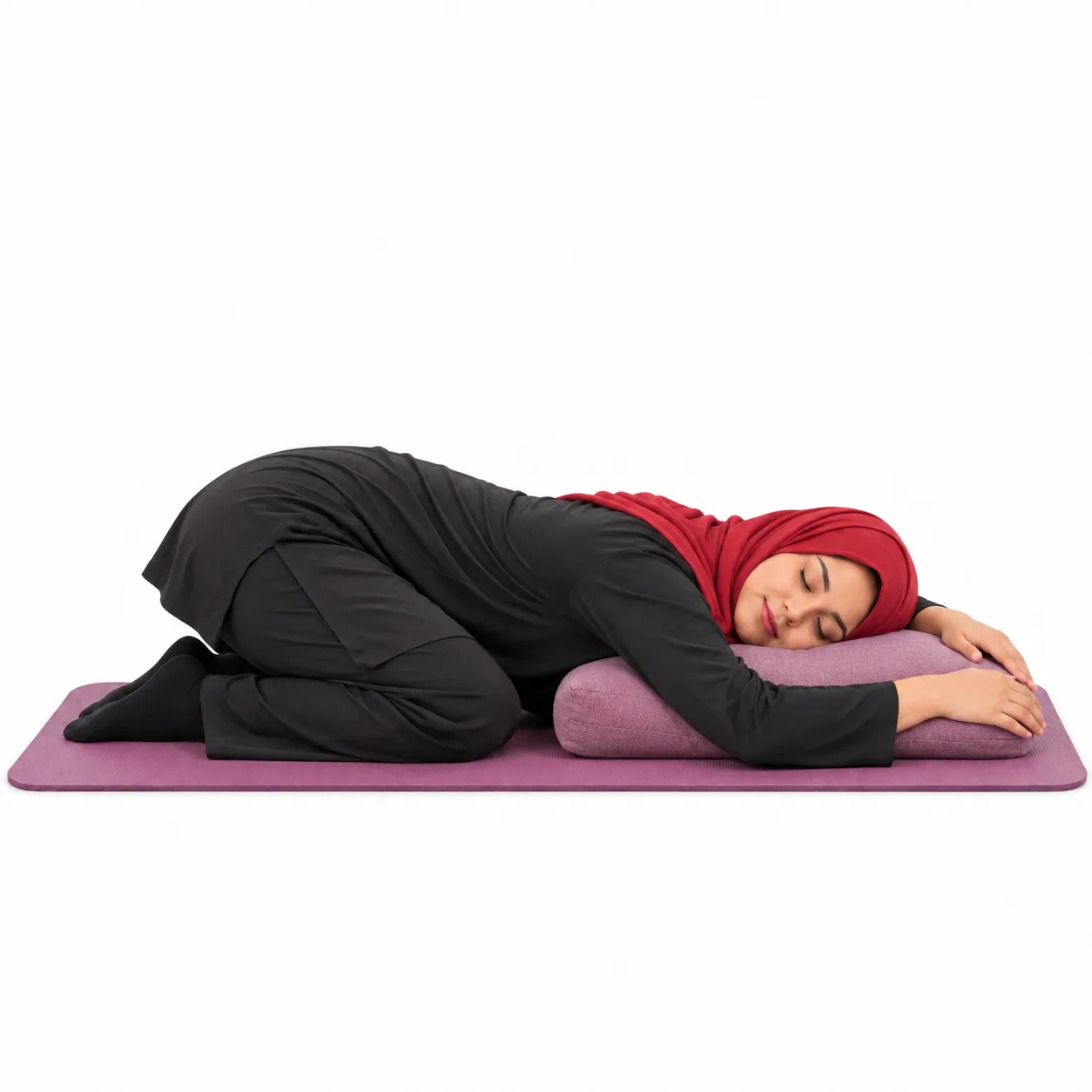
A resting position that lets a tight pelvic floor and lower back let go.
A light, coordinated press that links the inner thighs, the breath and the pelvic floor.
These are examples of what an assessment may build into a plan, not a programme to start on your own. Stop if anything hurts or your symptoms are worse a few hours later.
Step by step
First 15 minutes. Your symptoms, when they started, and how they affect your daily life, in your own words, at your own pace.
30 to 40 minutes. We assess pelvic floor function through breathing, movement and, where clinically relevant and separately consented to, internal assessment, the most accurate way to tell a weak pelvic floor from a tight one. External-only assessment is always available if you prefer.
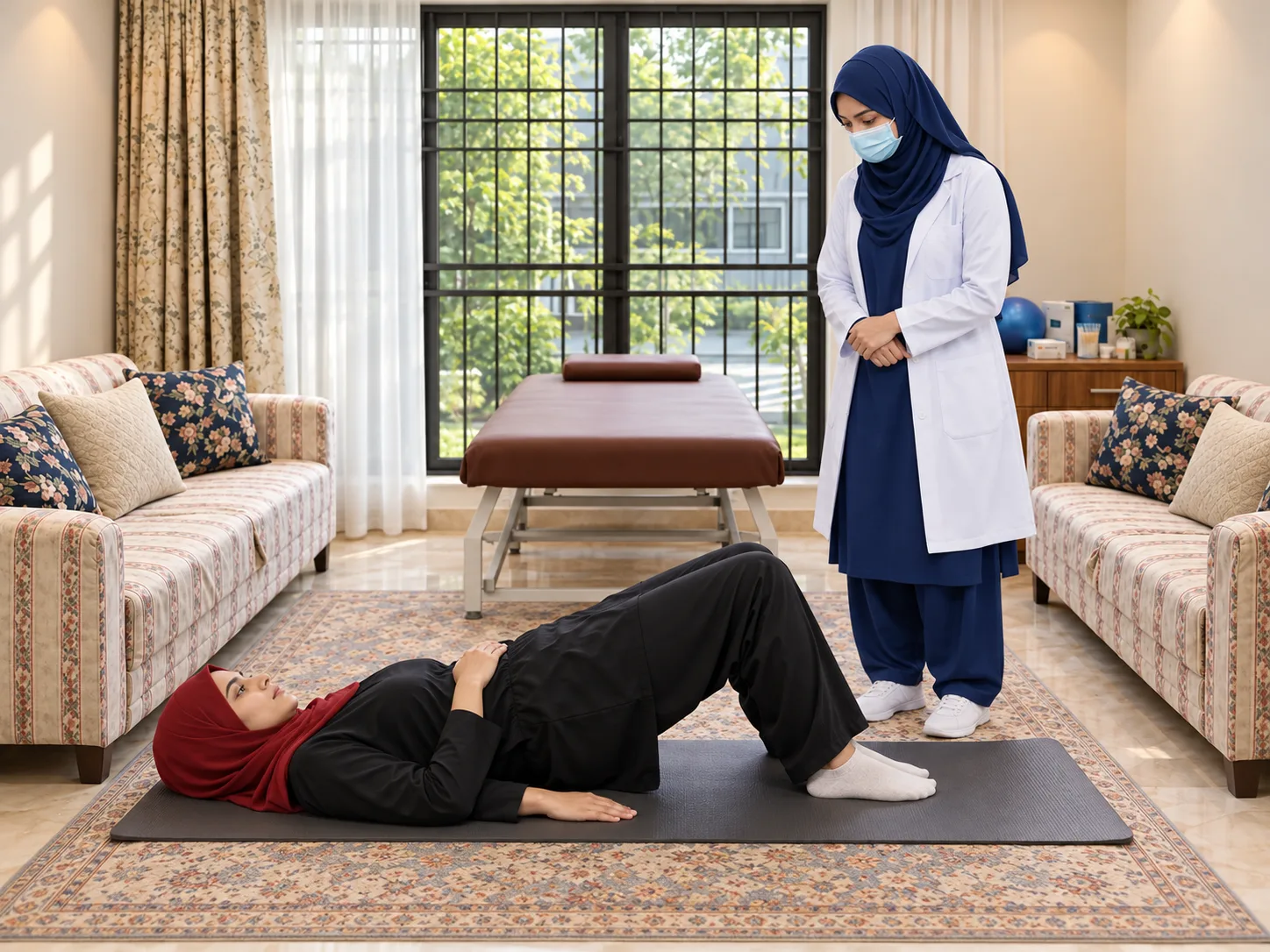
Same session. Manual therapy to release tension where the pattern is tightness, or targeted retraining where it’s weakness or poor coordination.

To take home. Exercises matched to your actual pattern, never generic Kegels by default, plus breathing and bladder habits that support the muscles between sessions.

Your first visit
Appointments are one-to-one with a female physiotherapist in a private, women-only studio. There is no shared waiting room, and no part of your history is discussed with anyone else.
Never mandatory or assumed. It needs a clear clinical reason, is explained first, and requires your specific consent.
You can pause or stop a session at any point, or ask for an external-only approach instead.
Where symptoms suggest a gynaecological, urological or colorectal cause, we refer to the right colleague rather than treating outside our scope.
You will leave your first session with a clear explanation of your pattern, treatment if appropriate that day, and a home plan matched to what your pelvic floor actually needs.
Questions
No. Pelvic floor dysfunction affects women who have never been pregnant too. It can come from posture, chronic coughing, heavy lifting, or muscle tension that built up over years for no single obvious reason.
If your pelvic floor is already tight rather than weak, more strengthening exercises can increase symptoms rather than help. This is exactly why assessment comes before exercises here, not the other way around.
No examination is automatic or mandatory. It is the most accurate way to properly assess pelvic floor tension and strength, so it may be recommended, but it is always explained first, separately consented to, and you can decline it and still receive effective treatment through external assessment and treatment methods.
It depends on your pattern and how long symptoms have been present, and we’ll give you a realistic estimate after your assessment rather than a generic number. Many women notice change within a few weeks of consistent home practice.
No. It is common, but common is not the same as normal or untreatable. It usually responds well to the right assessment and a matched treatment plan.
Yes. Breathing retraining, posture, external manual therapy and movement-based exercises can all help, and are the starting point if you’d prefer to keep assessment and treatment external throughout.
The studio is a private, home-based space in Hasham Street, Karim Block, Allama Iqbal Town, Lahore. We share exact directions after booking, so your visit stays discreet.
Safety first
Your next step
You do not need the right medical words, or a diagnosis. Tell us what is getting in the way, leaking, urgency, heaviness, and we will tell you honestly whether physiotherapy can help. Women-only · One-to-one · Your details stay between you and your clinician.