
Unsure when it’s safe to exercise
Without clear, individual guidance beyond generic online advice.
Unsure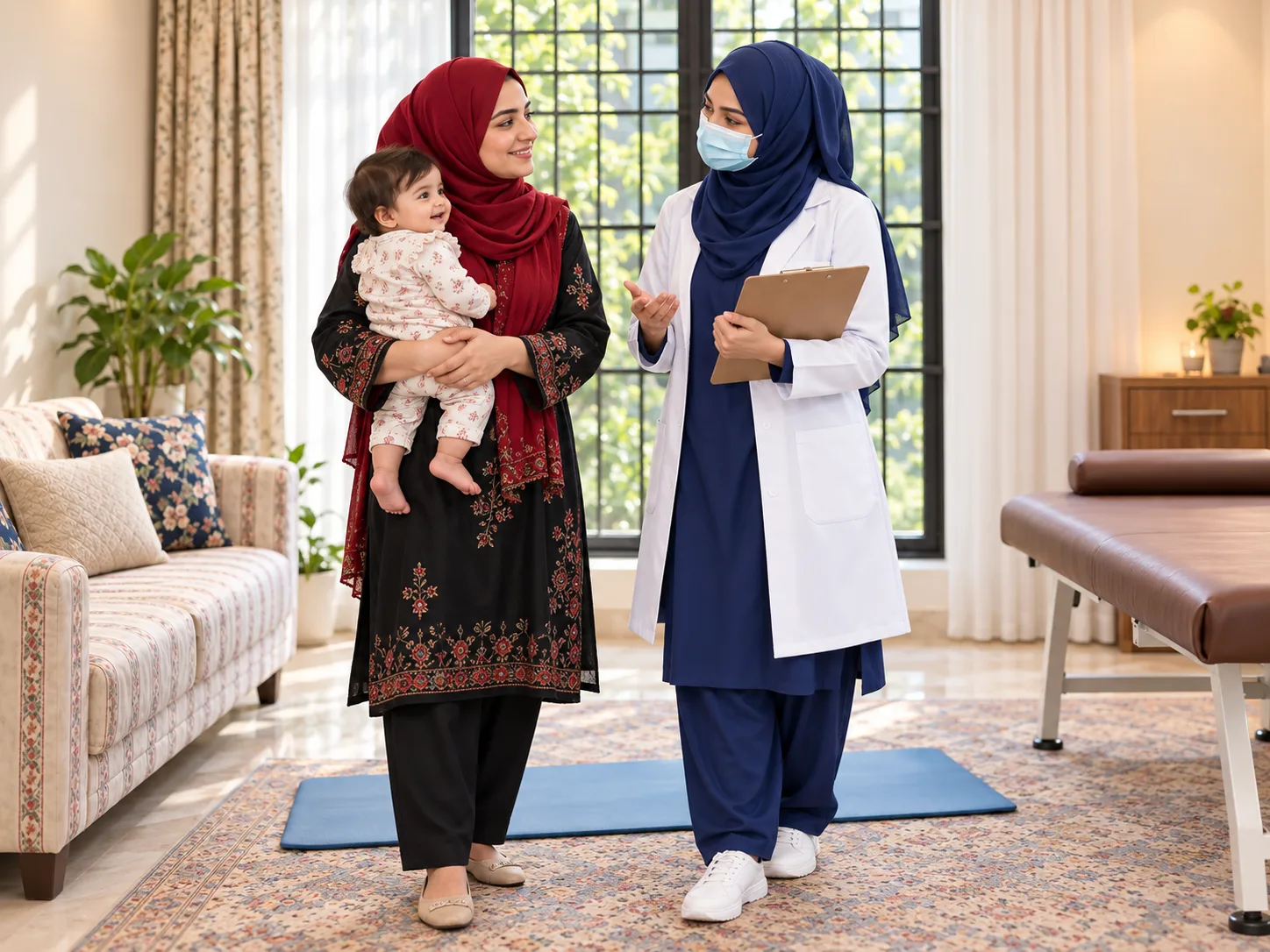
Women’s Health · Postnatal · Lahore
Recovering from birth is more than time off and rest. Your core, pelvic floor and whole-body strength need a graded, sequenced plan to return safely to lifting, exercise and daily life, not a guess at when you’re “ready”. Postnatal recovery physiotherapy builds that plan around where you actually are, week by week.
At a glance
An ongoing, staged programme, different from a one-off Mummy MOT assessment.
Breath and deep core, then functional strength, then a graded return.
From a few weeks after birth to years later.
Progress follows how your body responds, session to session.
Daily lifting, a return to sport, or simply feeling strong again.
What is it?
It is an ongoing, staged programme that takes you from early postnatal healing through to a full, confident return to exercise, lifting and daily activity. Sessions progress your core, pelvic floor and general strength in a deliberate order.
Breath and deep core coordination come first, then functional strength, then a graded return to whatever you are working toward, whether that’s walking further, returning to the gym, or simply picking up your child without pain. It is built around your own healing pace, not a fixed calendar.
What brings women in
Without clear, individual guidance beyond generic online advice.
UnsureLifting your baby, pushing a pram, or getting up from the floor.
Daily tasksPain, leaking or fatigue that made you stop and not try again.
Tried beforeStill feeling like your body hasn’t fully returned to how it worked before.
Later onRunning, gym training or another activity you’re not confident restarting alone.
SportA sense of reduced strength and stamina since giving birth, without a specific injury.
StaminaSCROLL FOR THE ASSESSMENT TO FIND YOUR ROOT CAUSE
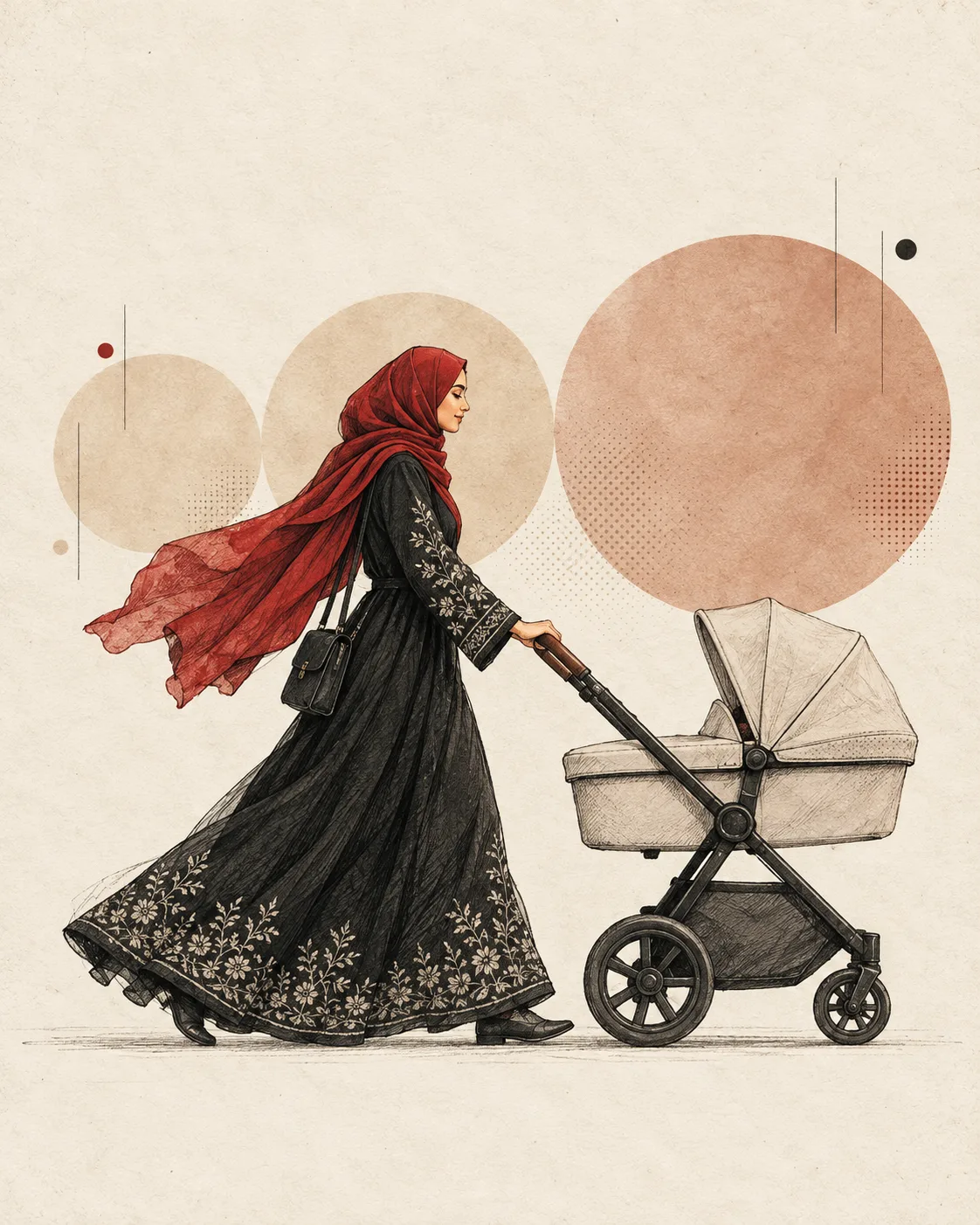
Understanding it
There is no single “safe by” week that applies to everyone. Healing pace depends on your birth, any complications, your baseline fitness and how your body responds to each stage, which is why a structured, assessed programme works better than a generic timeline.
Breath, deep core and pelvic floor coordination come before higher-load strength work.
Progress is guided by your session-to-session response, not a preset calendar.
Posture, hips and general strength all factor into a genuine return to activity.
The stages
Sessions progress your core, pelvic floor and general strength in a deliberate order, at your own healing pace.
Breath, deep core and pelvic floor coordination come before higher-load strength work.
Posture, hips and general strength all factor into a genuine return to activity.
Toward your goal, with realistic milestones rather than a fixed date.
Walking further, returning to the gym, or picking up your child without pain.
A simplified model of postnatal core and strength progression. Your own assessment determines your actual starting point and pace.
Why it is assessed
A structured, assessed programme works better than a generic timeline pulled from an app or a friend’s experience.
Your starting point
Standard postnatal check-ups typically confirm you are medically well. They don’t usually assess whether your deep core and pelvic floor are functionally ready for exercise, lifting or sport.
How your core works after birth.
Whether any is present.
Strength and coordination.
How you hold and carry.
The base for your goal.
Why recovery stalls
Pregnancy and birth change how your core and pelvic floor work together, regardless of delivery type.
Before deep core and pelvic floor function is re-established:
Returning in the wrong order can lead to:
A structured, assessed programme:
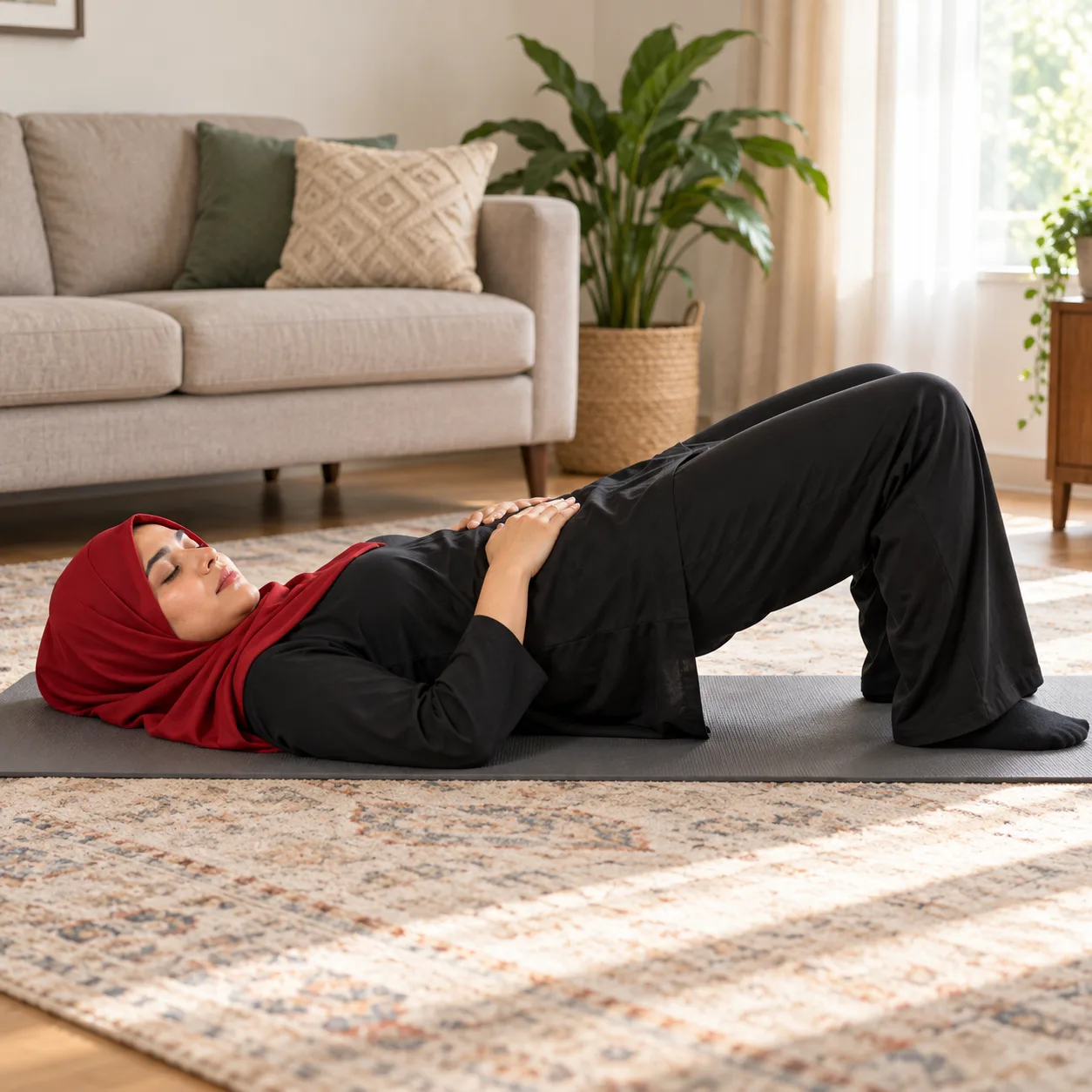
Examples at home
One or two examples from each stage. Which of them suits you, and when to move on, depends on your assessment.
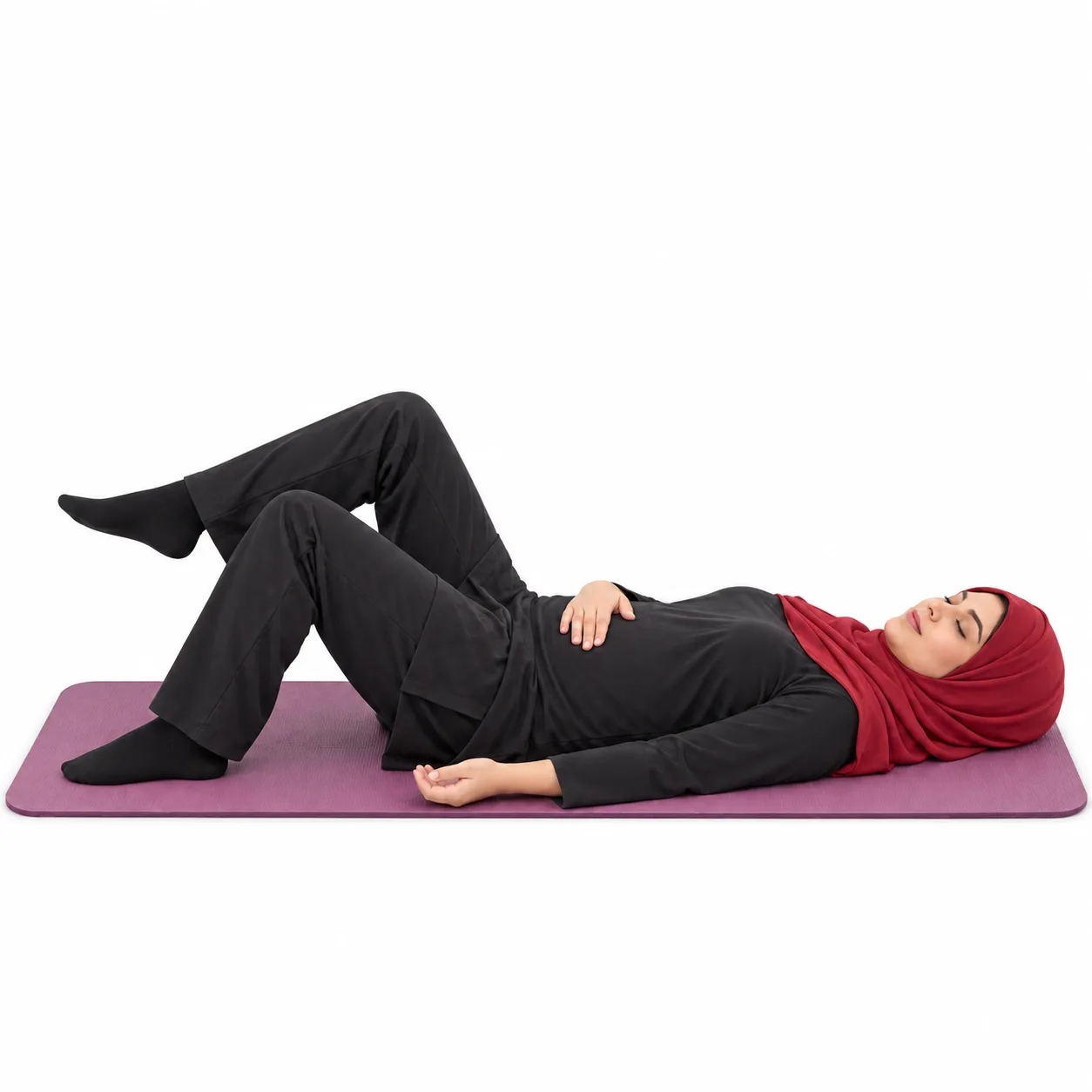
Coordinate your breath and deep core as you start a movement.
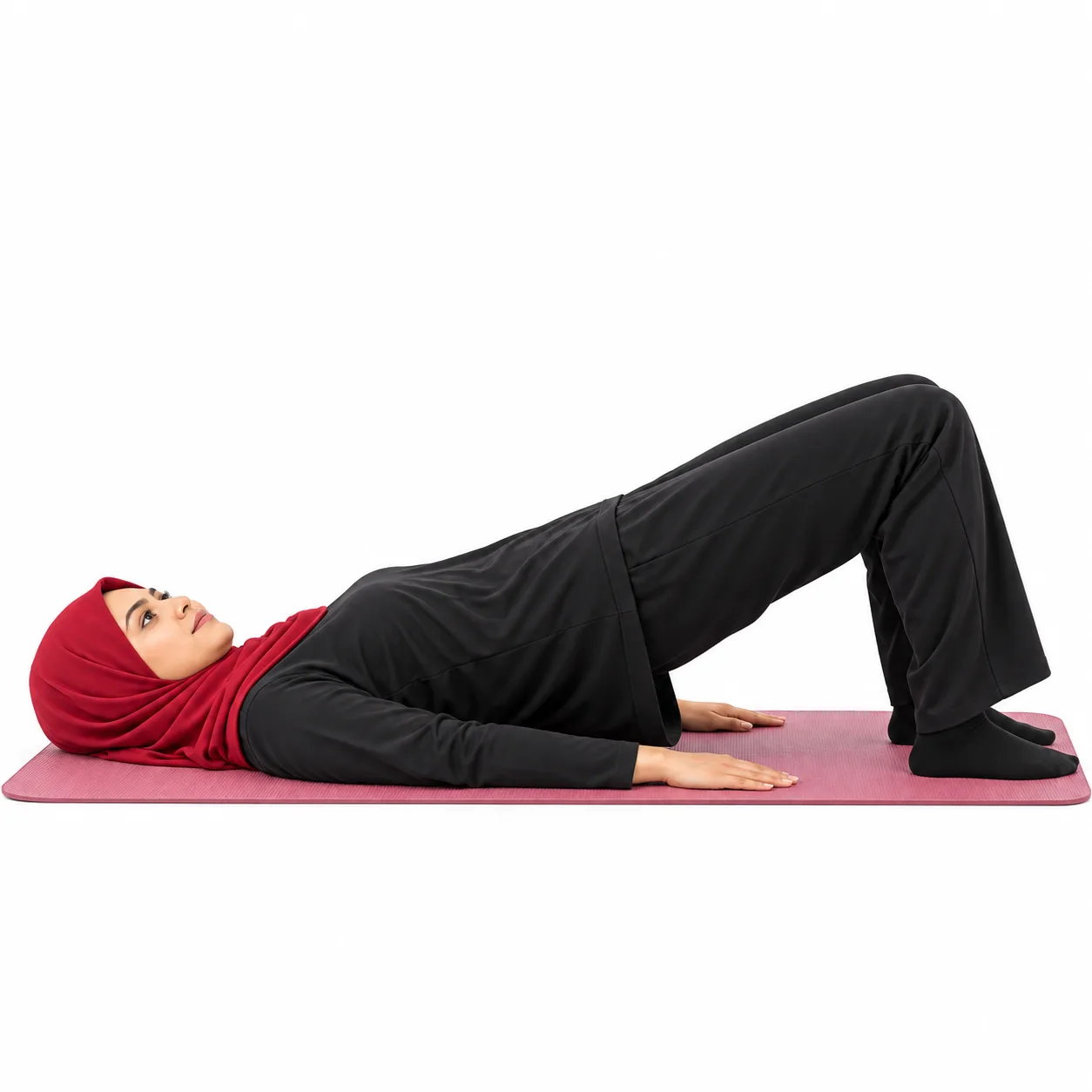
Coordinate the breath, the deep core and the hips without strain.
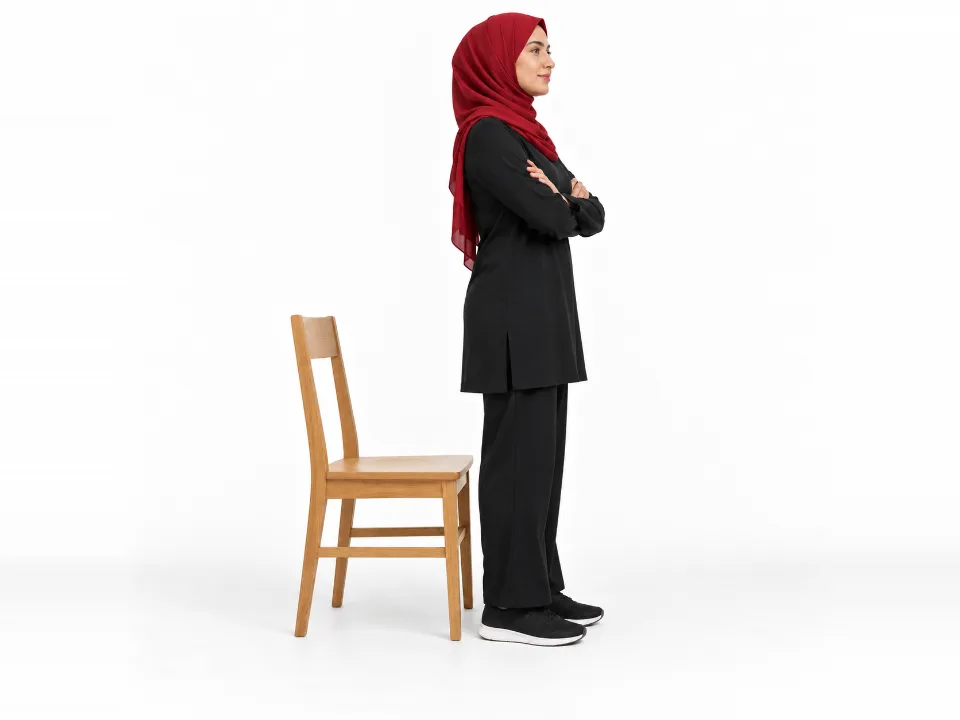
Functional strength for the legs and hips, the kind daily life asks for.
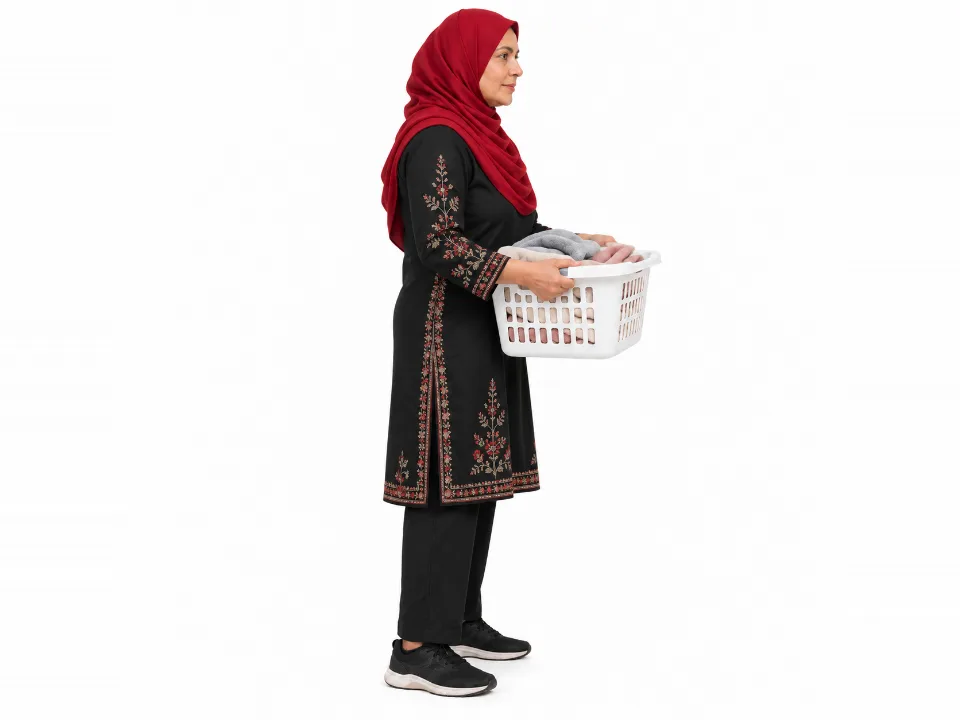
A graded return to lifting, starting with a light load.
These are examples of what an assessment may build into a plan, not a programme to start on your own. Stop if anything causes pain, leaking or a feeling of pressure.
Step by step
First 15 minutes. Your birth history, current symptoms, activity level before pregnancy, and what you are working toward.
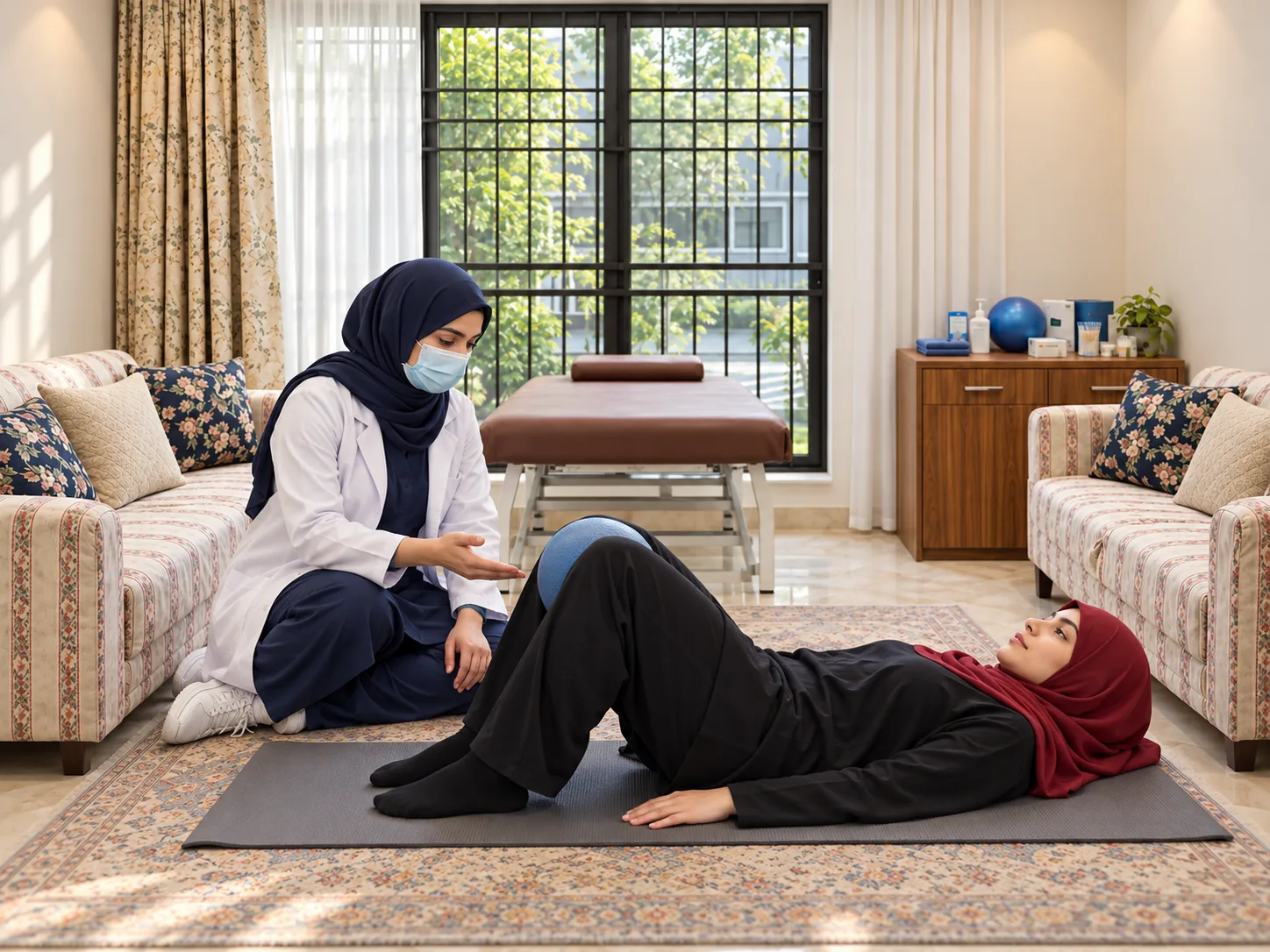
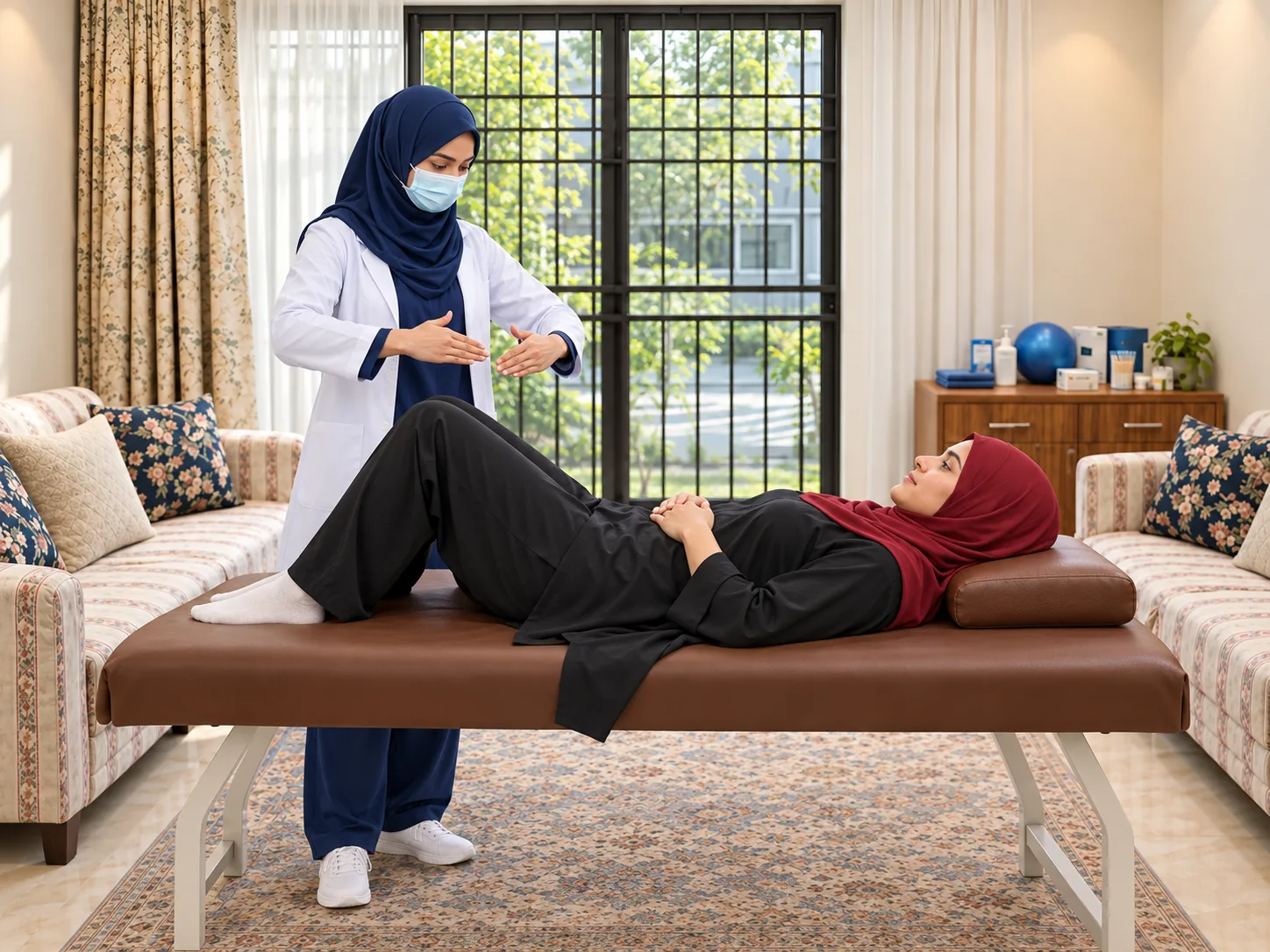
30 to 40 minutes. Deep core function, any abdominal separation, pelvic floor strength and coordination, posture and general strength: the same foundation as a Mummy MOT, used as your programme’s starting point.
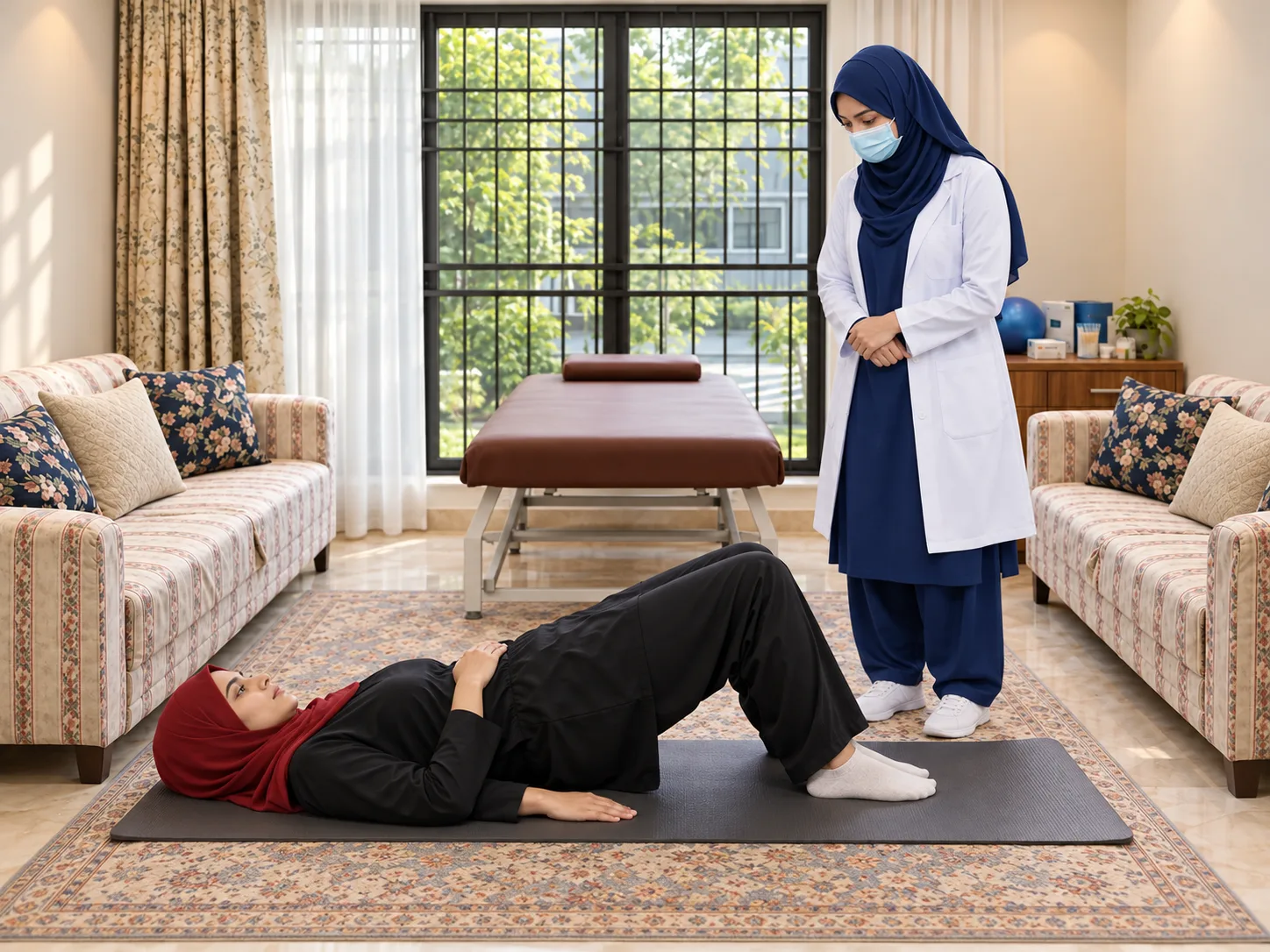
Set together. A clear sequence from foundational work to functional strength to your specific goal, with realistic milestones rather than a fixed date.
As you progress. Regular check-ins to adjust load and pace based on how your body is actually responding, not a generic week-by-week template.
Your first visit
Appointments are one-to-one with a female physiotherapist in a private, women-only studio. Your first session focuses on assessment and building your staged plan together. You leave with a clear starting point and next steps, not just general advice.
Any intimate assessment is optional, explained beforehand, and requires your explicit agreement, every time.
We assess your actual function rather than assuming a standard timeline applies to you.
Where symptoms suggest a medical concern needing investigation, we refer you to the right specialist rather than treating outside our scope.
Where an internal pelvic floor assessment would give the clearest picture, it is always explained in advance and never proceeds without your specific, separate consent.
Questions
A Mummy MOT is the comprehensive assessment itself: a single, thorough check of your core, pelvic floor and posture. Postnatal recovery is the ongoing programme that follows, taking you from that starting point through to your goals over several sessions.
Yes. Core and pelvic floor function change after any birth, and C-section recovery has its own considerations around scar tissue and abdominal wall healing, which we factor into your assessment and plan.
No. Postnatal recovery work is genuinely effective years after birth. There is no closing window for meaningful improvement in core function, strength or symptoms.
It depends on your individual assessment. Deep core and pelvic floor function, not simply time since birth, determine readiness. We assess this specifically before progressing you toward running.
No referral is required. You can book directly, though we are glad to coordinate with your doctor if you have one involved in your postnatal care.
It varies by starting point and goals. We review progress together at each stage and agree on next steps rather than committing you to a fixed package upfront.
The studio is a private, home-based space in Hasham Street, Karim Block, Allama Iqbal Town, Lahore. We share exact directions after booking, so your visit stays discreet.
Safety first
Your next step
You do not need to know exactly what you need yet. Tell us where you are and what you’re hoping to get back to, and we will build a plan around it. Women-only · One-to-one · Your details stay between you and your clinician.