
Frozen shoulder
Progressive stiffness and pain that limit how far you can move the shoulder.
Knee & Shoulder Physiotherapy · Lahore
A stiff shoulder you cannot lift, a knee that aches on the stairs, pain that wakes you at night. Clear answers and step-by-step rehab from a female physiotherapist, at the studio or at home, without relying on medication or surgery first.
Knee & Shoulder Care
Knee and shoulder pain usually reflects how a joint is being loaded, not damage alone. That is one reason strengthening and movement correction work so well: they change the load, not only the symptoms.
At Munaza Physio Studio we assess the whole chain, treat the painful structures, and rebuild the strength that protects the joint, so you understand what is happening and what to do next.
Is knee or shoulder pain stopping you from…
What we treat
Not sure what yours is called? Describe how it feels at your assessment. Most of the problems below improve with the right exercise, advice and time.
Progressive stiffness and pain that limit how far you can move the shoulder.
Irritated or torn tendons causing weakness, a painful arc and night pain.
Sharp, localised pain from an irritated cushion of the joint, often when lifting the arm.
Stiffness and ache from changes in the joint surfaces, worse after rest.
Front-of-knee pain with stairs, squatting and long periods of sitting.
Pain and a feeling of instability after a strain or tear of a knee ligament.
Shoulder
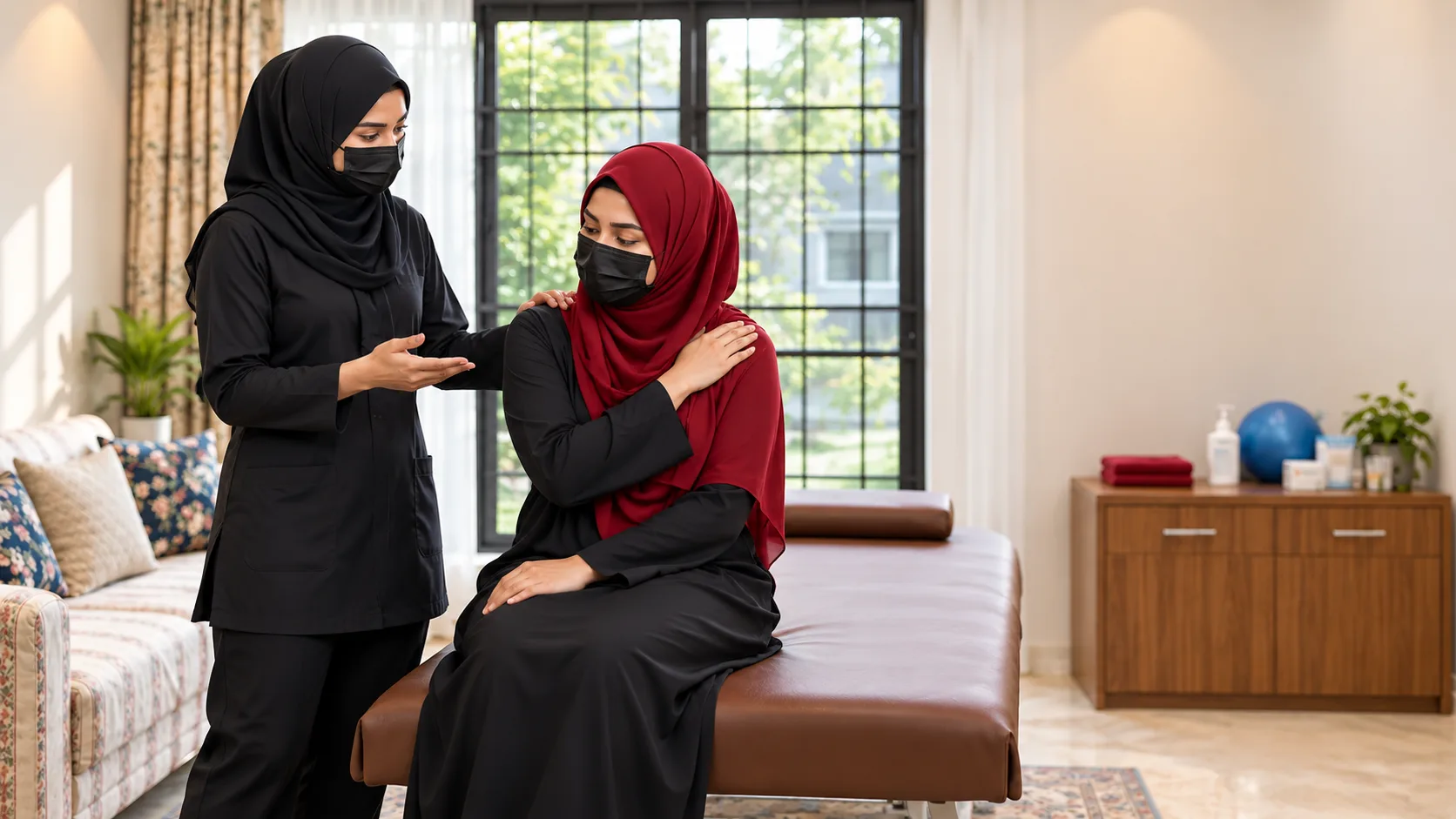
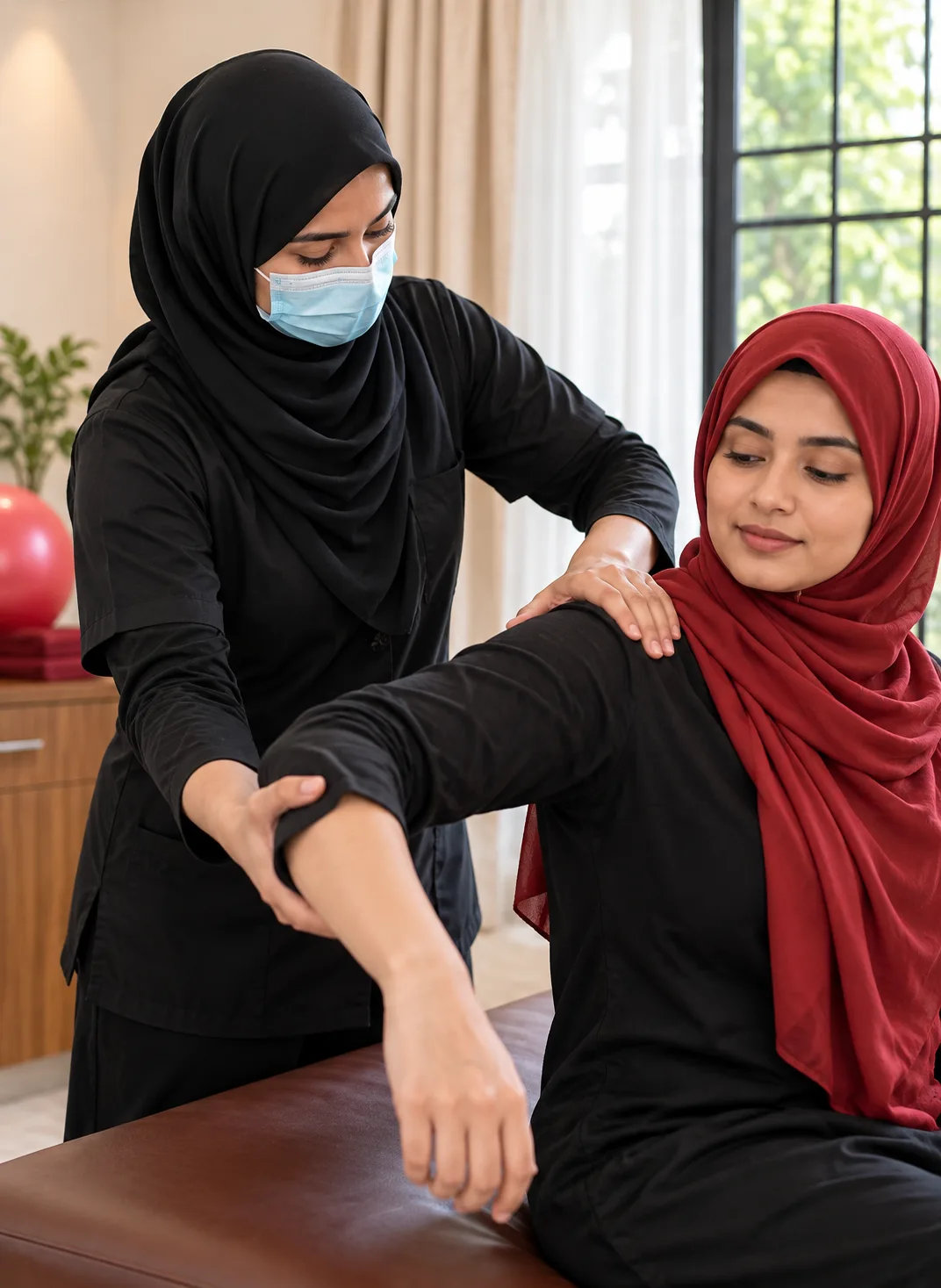
In frozen shoulder the tissue around the joint becomes irritated and stiff, so movement shrinks over time. Reaching behind you, lifting the arm or dressing can become hard, and the pain is often worst at night.
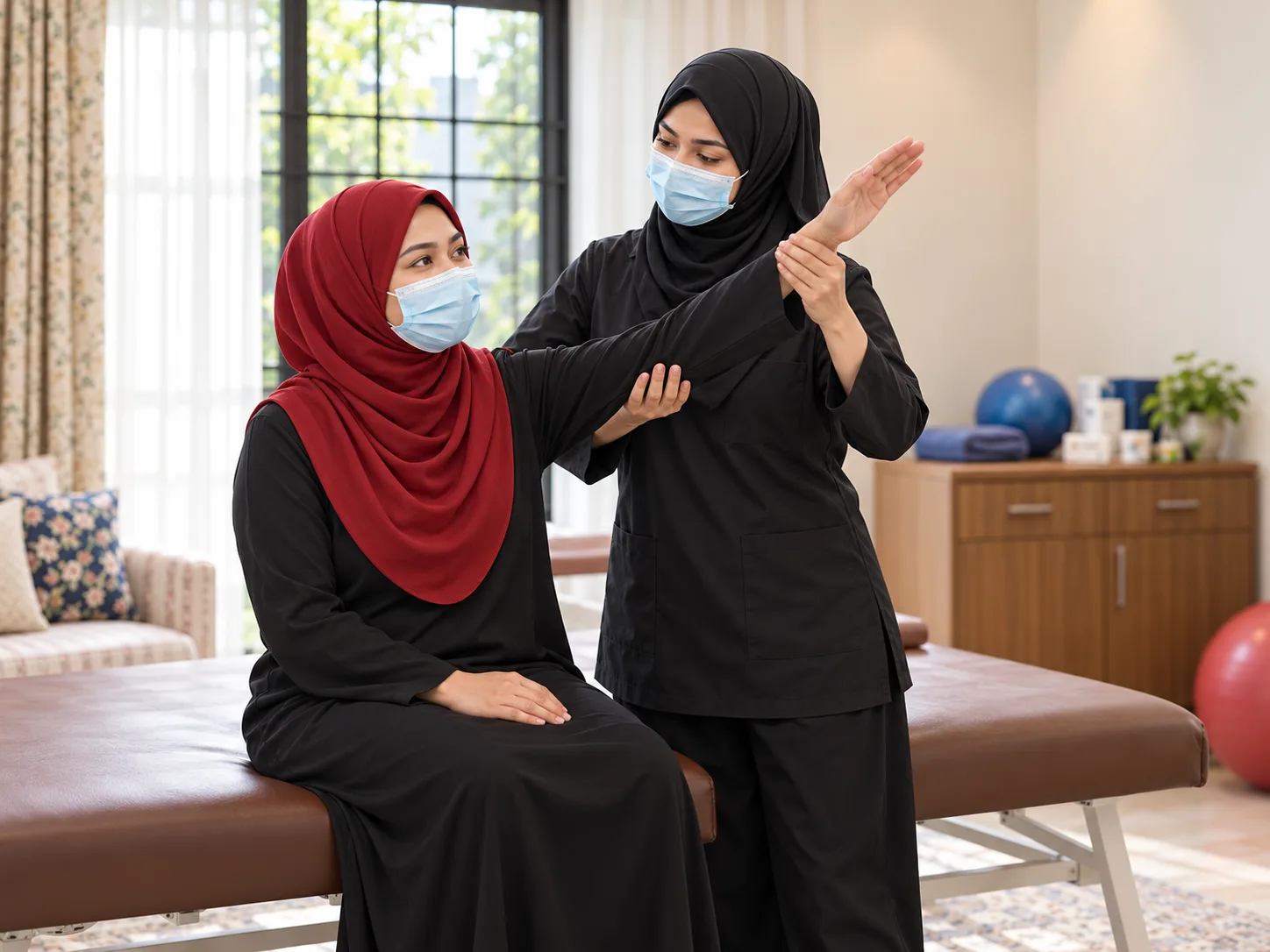
TipShort, gentle movements through the day usually suit a stiff shoulder better than one long, forceful session.
Shoulder
The rotator cuff is a group of tendons that steer and steady the shoulder. When they are overloaded, irritated or torn, or the cushion above them becomes sore, lifting the arm can hurt and weaken, especially around shoulder height.
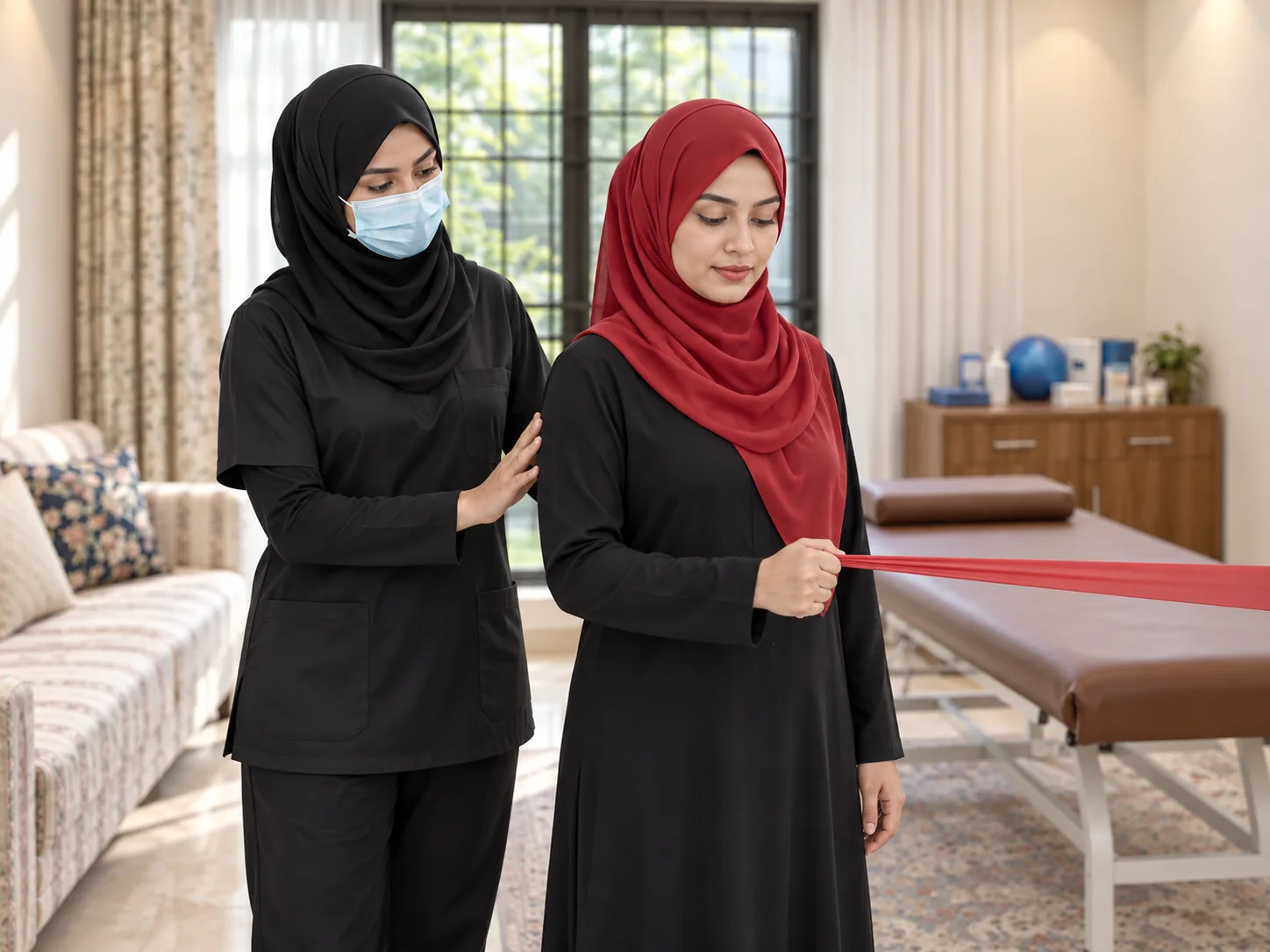
TipIf lifting hurts, try moving the arm in front of you with the thumb up, closer to your body, rather than pushing through the painful arc.
Knee
Osteoarthritis is a change in the joint surfaces that can make the knee stiff, achy and less tolerant of long walks or stairs. It is common, it does not mean your knee is "worn out", and movement and strength usually help.
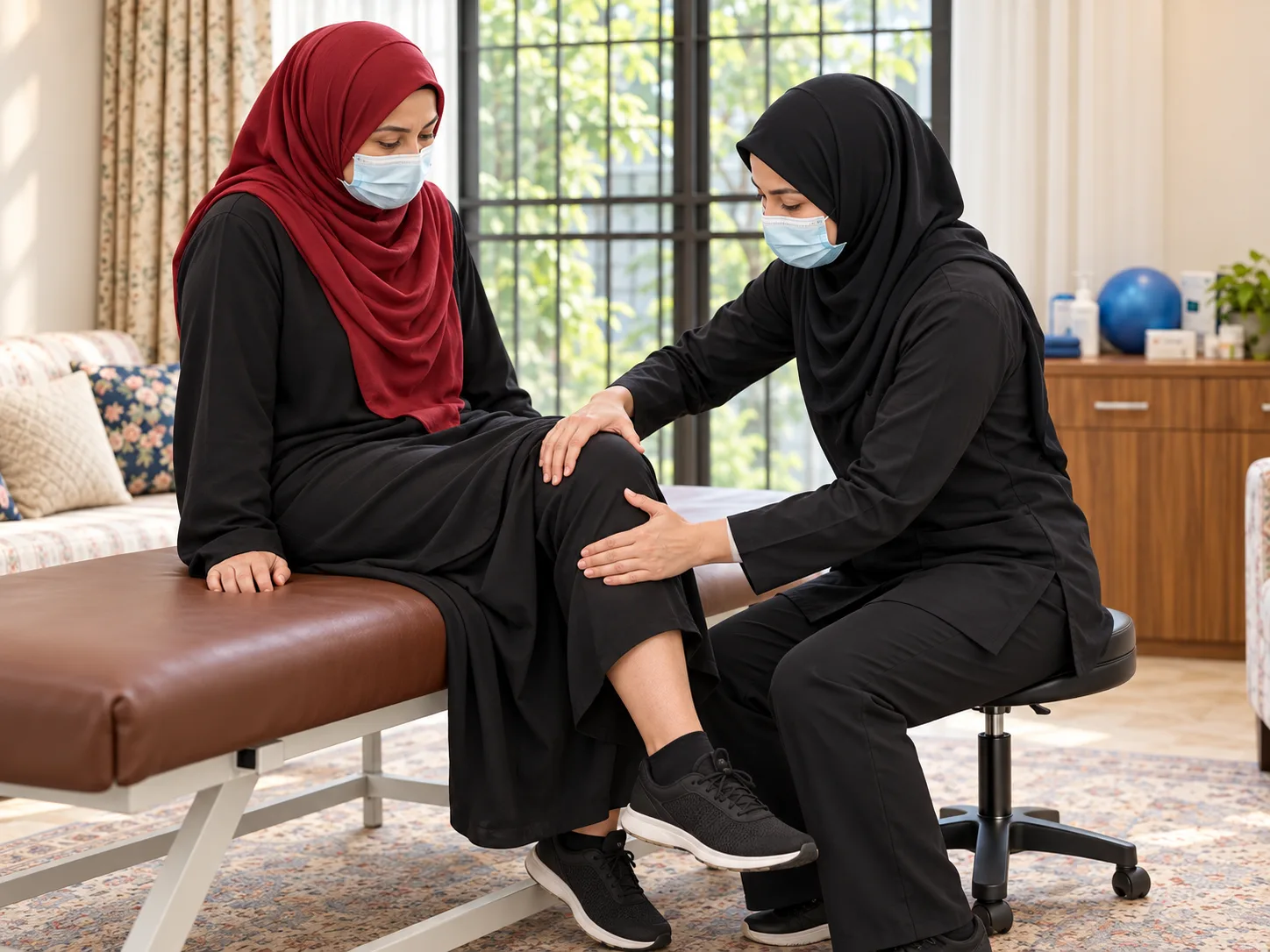
TipKeep gently moving through the day. Long periods of sitting often make a stiff knee feel worse.
Knee
Pain around or behind the kneecap is very common, in walkers, runners and people with desk jobs alike. It is usually a load problem rather than a damaged joint, and it responds well to the right exercises.

TipStand up and move every half hour or so if you sit for long periods with your knees bent.
Knee
Ligaments steady the knee. After a twist, a fall or a sudden stop, one can be strained or torn, leaving the knee painful, swollen or unreliable. Some injuries need a doctor or a scan first; many do well with a structured rehabilitation plan.
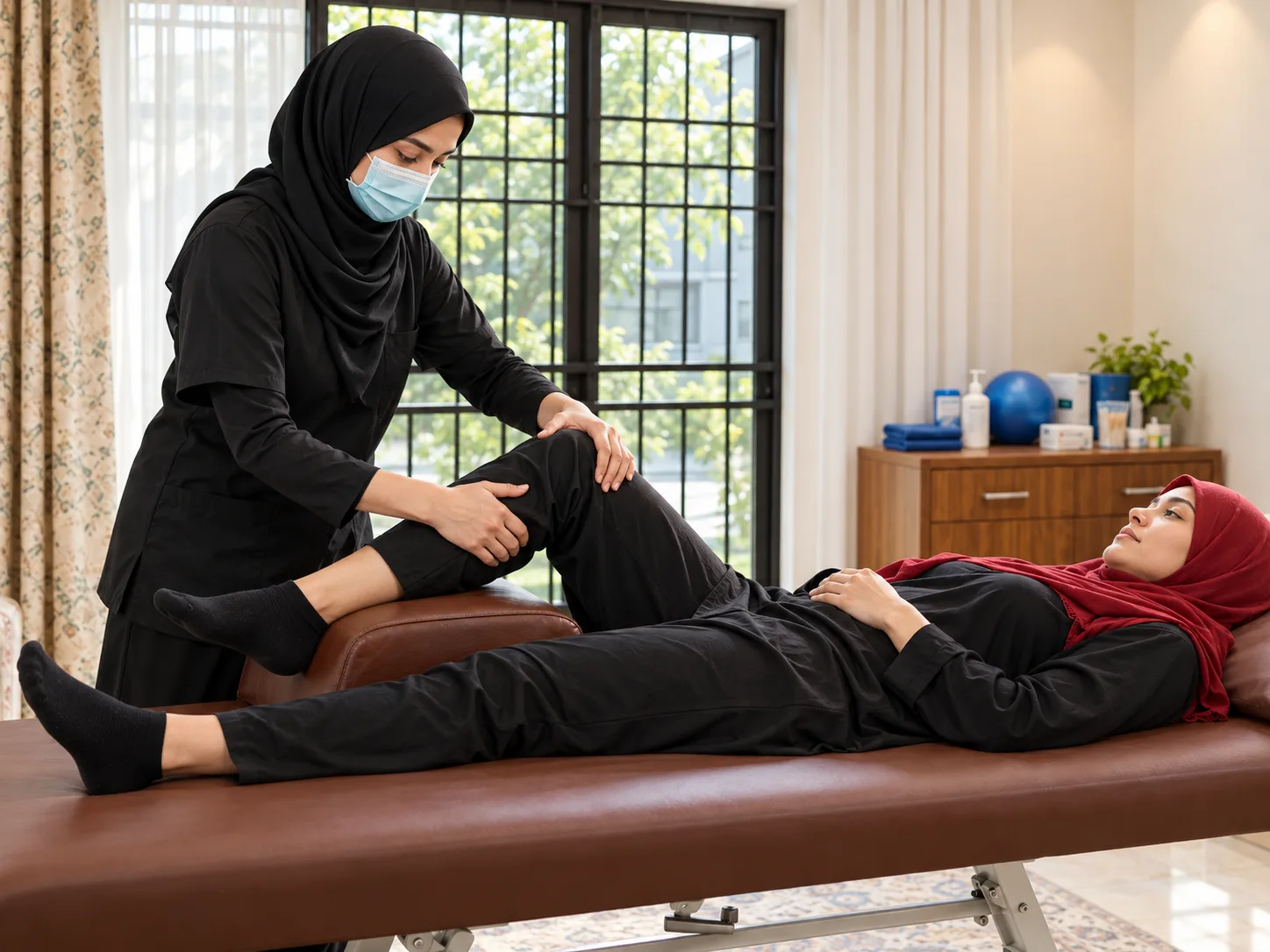
TipIn the first days after a knee injury, keep weight on the leg within comfort and avoid forcing the knee to bend further than it wants to.
Why do joints hurt
A new routine, extra lifting or more stairs, faster than the joint can adapt.
Sudden loadLong spells without using a joint leave it stiff and the muscles around it weaker.
InactivityThe hip, thigh and calf protect the knee. The cuff and shoulder blade muscles protect the shoulder.
StrengthA stiff upper back or ankle makes the shoulder or knee work harder to make up for it.
MobilityA sprain or strain that settled but was never properly rebuilt leaves the joint less steady.
Incomplete rehabPregnancy, new work demands, health conditions or menopause can all change how a joint feels and copes.
Daily loadSCROLL FOR THE ASSESSMENT TO FIND YOUR ROOT CAUSE
Why physiotherapy works
Resting can ease pain for a while, but it does not rebuild strength, range or confidence. Physiotherapy finds the cause, settles the pain and then gradually builds the joint back up, so the problem is less likely to return.
We look at how you move, work and live to find the real cause, not just the sore spot.
Adjust activity and use hands-on and symptom-control techniques so the pain calms down.
Step-by-step exercise that your joint can handle, with the muscles that protect it.
A planned return to lifting, stairs, prayer, work or sport, and a plan to keep it that way.
Our advanced treatment techniques
Every plan is built around your assessment. These are the tools we use most, chosen and combined for your problem.
Gentle techniques that restore movement in stiff joints.
Easing muscle guarding around the joint, never as the whole plan.
Rebuilding the muscles that protect the joint, starting easy and building up.
Correcting the loading patterns that keep irritating the joint.
TENS and ultrasound for symptom control when they suit you.
Releasing tight surrounding muscles where it is a good fit for you.
Step by step
We find the pain source, check strength and movement, and understand how the joint is loaded in your day.
Settle the pain enough to begin active work, adjusting rather than stopping what you do.
Progressive loading and mobility work, matched to how your joint responds.
Return to the activities that matter, with a plan that keeps the joint protected.
Do it at home
Examples of the kind of exercises we may give you. Your assessment decides which ones, how many and how hard, so treat these as ideas, not a prescription.
Stop and speak to us if an exercise causes sharp or lasting pain, or if you feel unwell.
Between visits
Simple habits that often make a sore knee or shoulder feel easier.
Gentle movement through the day usually helps a stiff joint more than long rest.
Break up heavy lifting, long stair days and overhead tasks rather than doing them all at once.
A pillow under or in front of a sore shoulder, or between your knees, can make nights easier.
Heat often eases stiffness, and a cold pack can calm a recent flare. Use whichever feels better, with a cloth between it and your skin.
If pain is severe, getting worse, or comes with fever, numbness or swelling, please see a doctor.
Care designed for women
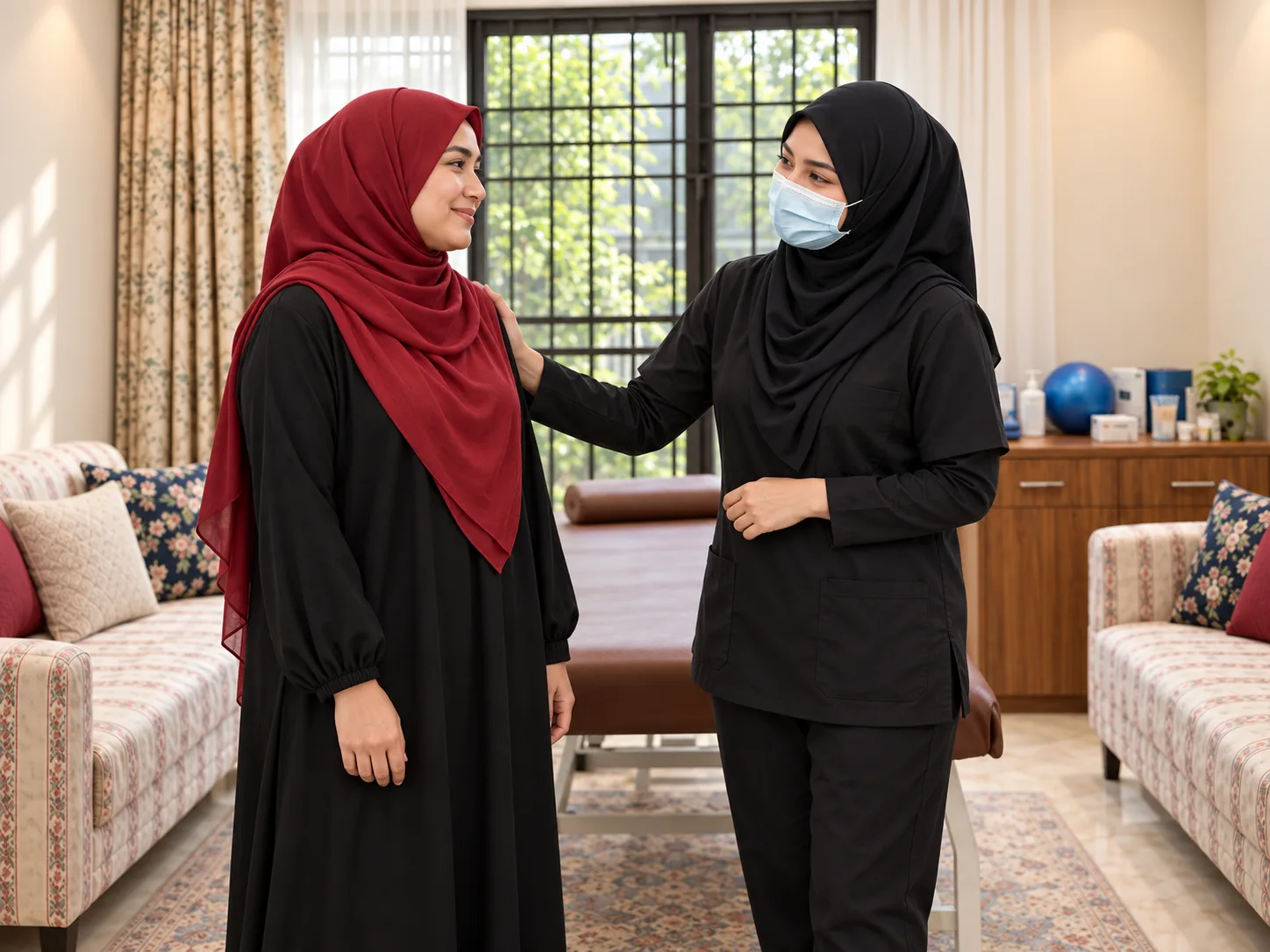
Munaza Physio Studio is a women-only physiotherapy practice. You are seen one-to-one by a female physiotherapist, in the studio or in your own home, in a space where you can talk and move comfortably.
Women-only environment with a female physiotherapist
Care during and after pregnancy and through menopause
One-to-one sessions, never rushed
Home visits across Lahore when travelling is difficult
Culturally sensitive, dignified care
Real Stories
My mother had a stroke that left her right arm and leg immobile. With Dr. Munaza’s expert physiotherapy, she regained full movement completely painfree and without any medication. We’re truly grateful for her care and professionalism.
I took home sessions for my neck, shoulder, back, and hip pain. Alhamdulillah, all my pain is gone like a magic. Even my headache, which I had for many years, got better with the exercises. Thank you so much Dr Munaza for your kind treatment and care. May Allah bless you.
“Dr. Munaza treated my neck and shoulder pain, as well as my muscle pull issue, very effectively. With the help of exercises and therapy, I feel much better now. She is very kind, caring, and cooperative. Highly recommended!”
I had neck pain with headaches for a long time. After treatment with Dr. Munaza, my pain got much better and the headaches eased. She listened carefully, treated me gently, and explained everything clearly. I feel relaxed and thankful for her care Best physiotherpist in the area👍🏻
Dr. Munaza is very kind and professional. My shoulder pain improved within a few sessions. Highly recommended!!!!
Simple pricing
Transparent pricing, with a personalised assessment at the start of every plan.
Clinic sessions start from PKR 1,500.
Home visit pricing depends on your location and condition, contact us for a quote.
Book AssessmentStrong joints, confident movement
The goal is not an overnight fix. It is a clear path back to reaching, climbing and moving with comfort and confidence, and the strength to stay there.
Questions
No. You can book an assessment directly. If your assessment suggests you need a scan, a doctor or urgent care first, we will tell you straight away and refer you.
Treatment is adjusted to what your joint can tolerate. Some exercises and techniques can feel uncomfortable while they work, but they should not cause sharp or lasting pain, and you can always ask us to ease off.
It depends on the problem, how long you have had it and how you respond. We will give you a clearer idea after your assessment and review it as you progress, without promising a fixed number up front.
Often, yes. Gentle graded movement, hands-on techniques and a home routine can help the shoulder move more comfortably. Frozen shoulder can take time, and we will explain what to expect.
Usually not. Movement and strength training are a mainstay of looking after an arthritic knee, adjusted to what suits you. Your assessment works out the right type and amount.
Most knee and shoulder problems don't need a scan to start treatment. If your assessment suggests a fracture, a significant tear or something that needs a closer look, we will refer you to a doctor for imaging first.
Clinic sessions start from PKR 1,500. Home visit pricing depends on your location and condition, so please contact us for a quote.
Yes. Every session is with a female physiotherapist, in the studio or at your home.
Safety first
Ready to move forward?
Don't let knee or shoulder pain decide what you can do. Start with a thorough assessment and a clear, personalised plan.
 5.0