
Stiff when you get up
The back feels tight first thing and loosens as you move around.
Mornings
Low Back Pain · Physiotherapy · Lahore
Aching, stiffness or spasm in the lower back, with pain bending, lifting or sitting, sometimes into the buttock or leg. Most of it is not serious, and most of it gets better with the right movement and a clear plan. Private, assessment-led physiotherapy with a female physiotherapist in Lahore, at the studio or at home.
The short answer
Low back pain is pain, stiffness or spasm between the bottom of the ribs and the top of the legs, sometimes spreading into the buttock or leg. About nine in ten cases are non-specific: no single damaged tissue explains it, and it is not a sign that the spine is fragile.
Physiotherapy starts with an assessment that screens for the rare serious causes, then builds a plan around staying active, comfortable movement and progressive hip and trunk strengthening, with hands-on treatment where it helps. A scan is rarely needed first, and most people improve.
At a glance
Low back pain is the single biggest cause of disability worldwide, and still, most of it settles with the right approach.
were living with low back pain in 2020 (WHO).
Low back pain leads the world’s causes of years lived with disability.
No one tissue or disease is to blame, and the back is not damaged.
Many improve over a few weeks, faster when you keep moving.
What you may notice
The back feels tight first thing and loosens as you move around.
MorningsLong spells at a desk, in a car or on the floor leave you aching and slow to straighten.
SittingPicking up a child, the washing or a bag from the floor catches you in the lower back.
BendingA sudden grip of the muscles that makes you stop, stoop and move carefully for a day or two.
SpasmPain that spreads into one or both buttocks or the back of the thigh.
ButtockPain below the knee, pins and needles or numbness: worth having assessed, and urgently if the leg is weak.
LegSCROLL FOR THE ASSESSMENT TO FIND YOUR ROOT CAUSE
Where it can come from
Pick a step to see where it sits in the lower back. These describe terms you may hear; they are not a checklist for diagnosing yourself.
A teaching drawing, not your spine. Where pain is felt rarely proves which tissue it comes from, which is why an assessment matters.
How it usually settles
Scroll through how most episodes of low back pain are cared for, from the first flare to getting on with life.
The muscles tighten to protect the back, which makes moving feel risky. That guarding is normal, and it eases as the back settles.
Warning signs are screened first. Then movement, strength, nerves, sleep, work and stress: what keeps this back sensitive, and what you want to get back to.
Walking, gentle mobility and progressive hip and trunk exercise, with hands-on care where it helps. The back loosens out of its guarded shape.
Lifting, carrying, sitting and sleep back to normal, with a short programme and a plan for any future flare.

Inside the lower back
The 3D model follows each point as you read. The lumbar spine is built to bend, twist and carry load; most low back pain is a sensitive back, not a broken one.
The discs, the small joints and the nerve roots that leave the spine are checked first, especially when pain spreads into the leg.
The long back muscles tighten to protect a sore back. Comfortable movement and, where it helps, hands-on care let them let go.
Deep trunk and hip muscles share the load of bending, lifting and carrying. Progressive strengthening is the core of recovery.
The whole back, moving and strong again, with habits that make the next flare less likely and shorter.
How long it lasts
Low back pain is described by how long it has lasted. The names guide the plan, not your outlook.
A new episode. Stay active, settle the pain and move a little more each day.
Recovering but not there yet. Progress strength and return to normal tasks.
Still very treatable: exercise, pacing, sleep and confidence matter most now.
Flare-ups along the way are common and do not mean you are back at the start.
Myths and facts
A few common beliefs about back pain make recovery slower. These are the ones we hear most.
None of this means your pain is not real. It means it is safe, and helpful, to keep moving.
How it is assessed
Low back pain is diagnosed from your story and a careful examination. This is what a physiotherapist looks for.
Imaging is considered only when warning signs are present or when the result would change your care.
Recovery in phases
Inspired by the mobility-to-strength structure of Rehab Science: Back & Spine. The phases overlap and are adapted to the person; they are not a fixed timetable.
Low back pain exercises at home
Inspired by the mobility and strengthening exercises in Rehab Science: Back & Spine. Use only the exercises agreed with your physiotherapist; you do not need to do them all.
Explore gentle, comfortable lower-back movement.
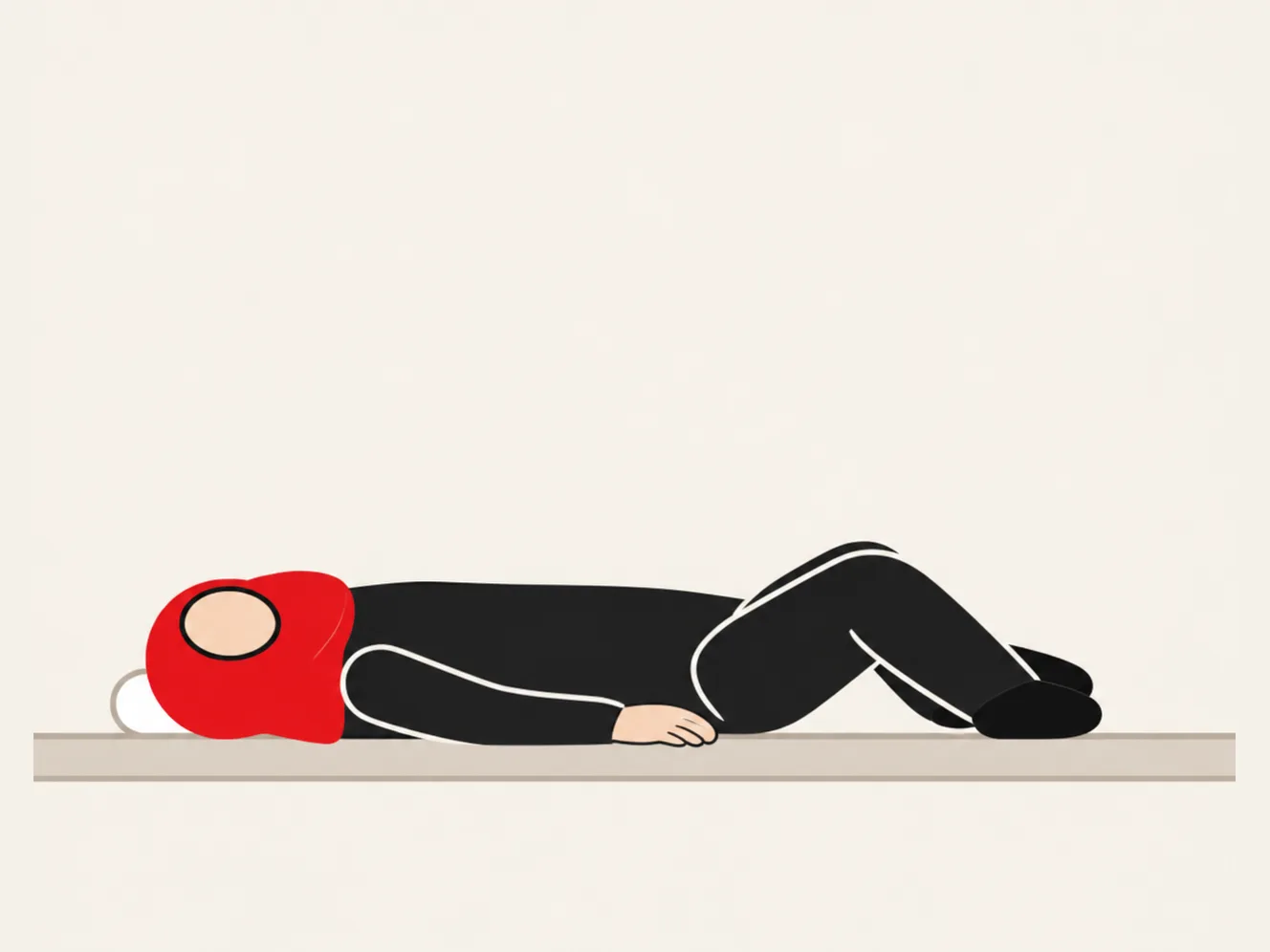
Introduce easy rotation when this direction feels comfortable.
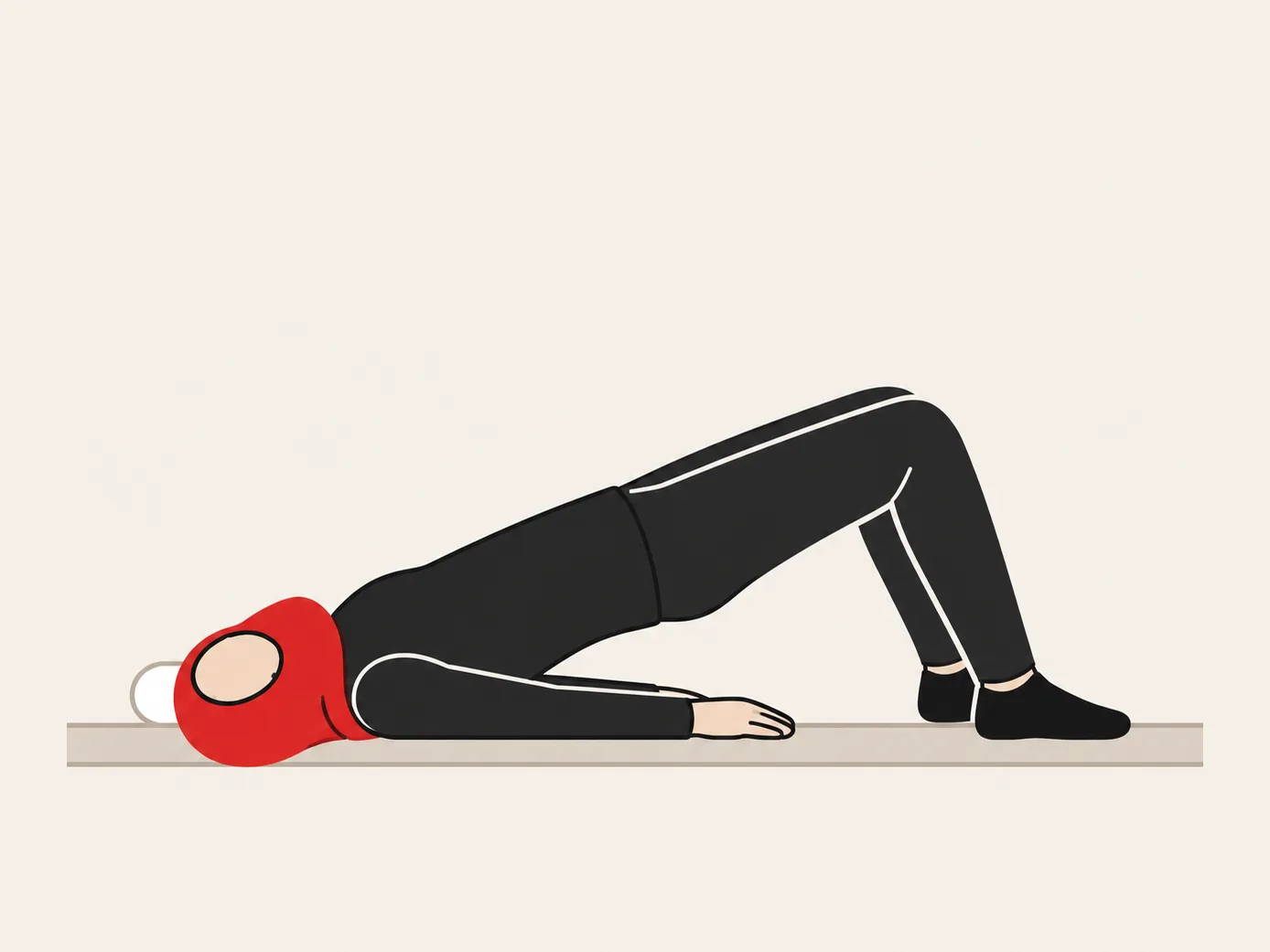
Build hip strength with a manageable starting exercise.
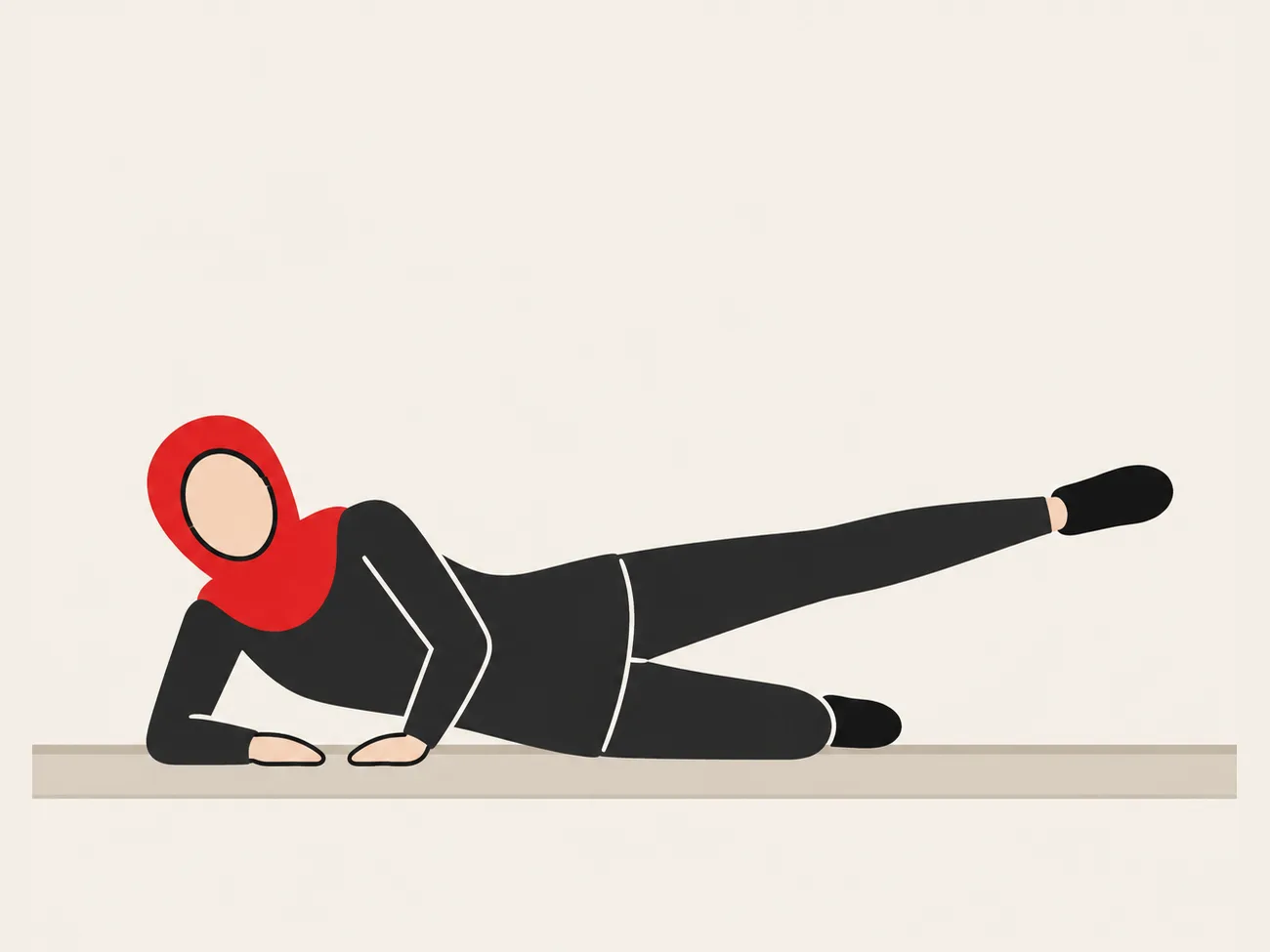
Strengthen the muscles around the outside of your hip.
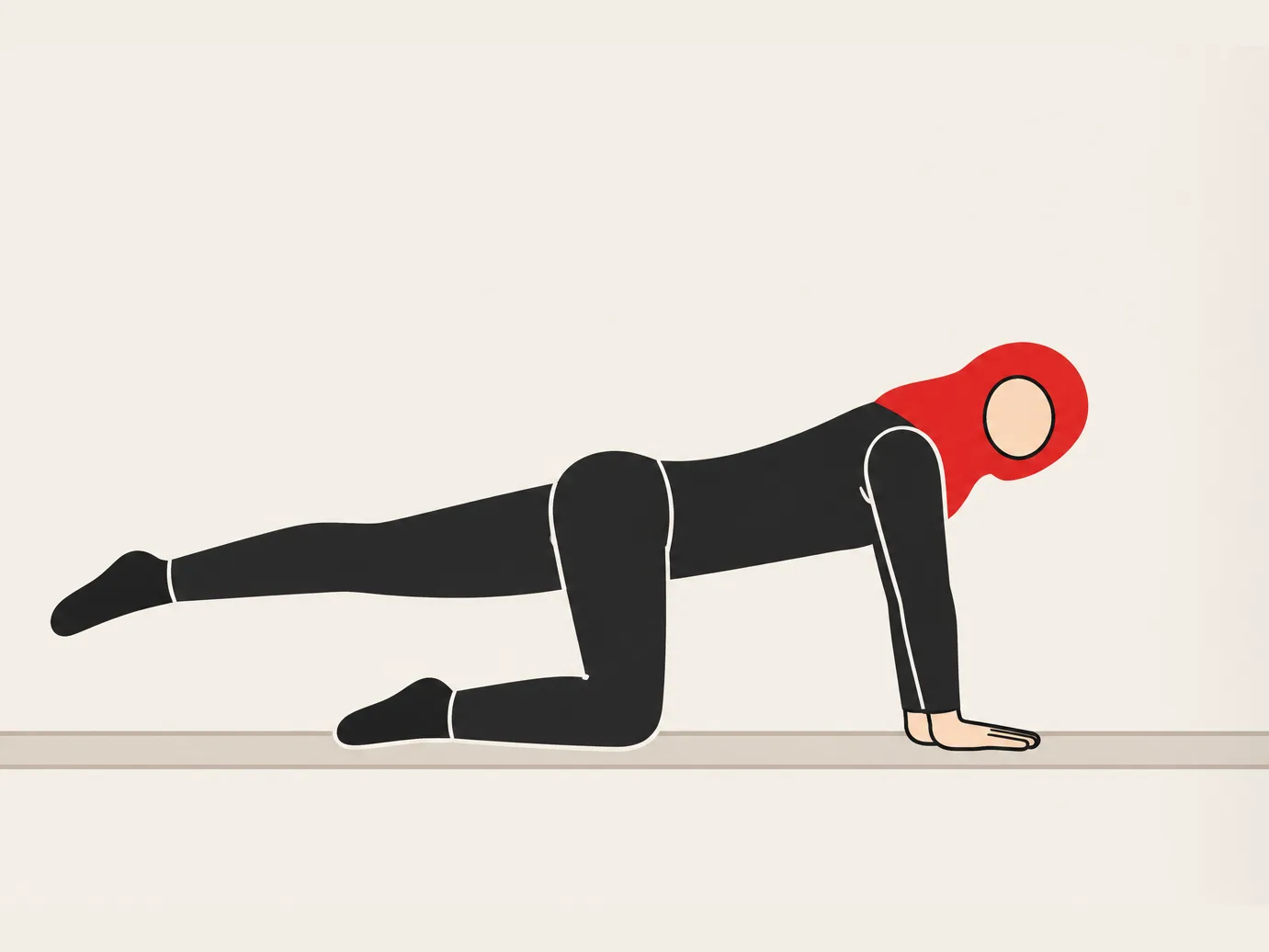
Practise trunk control before adding more challenge.
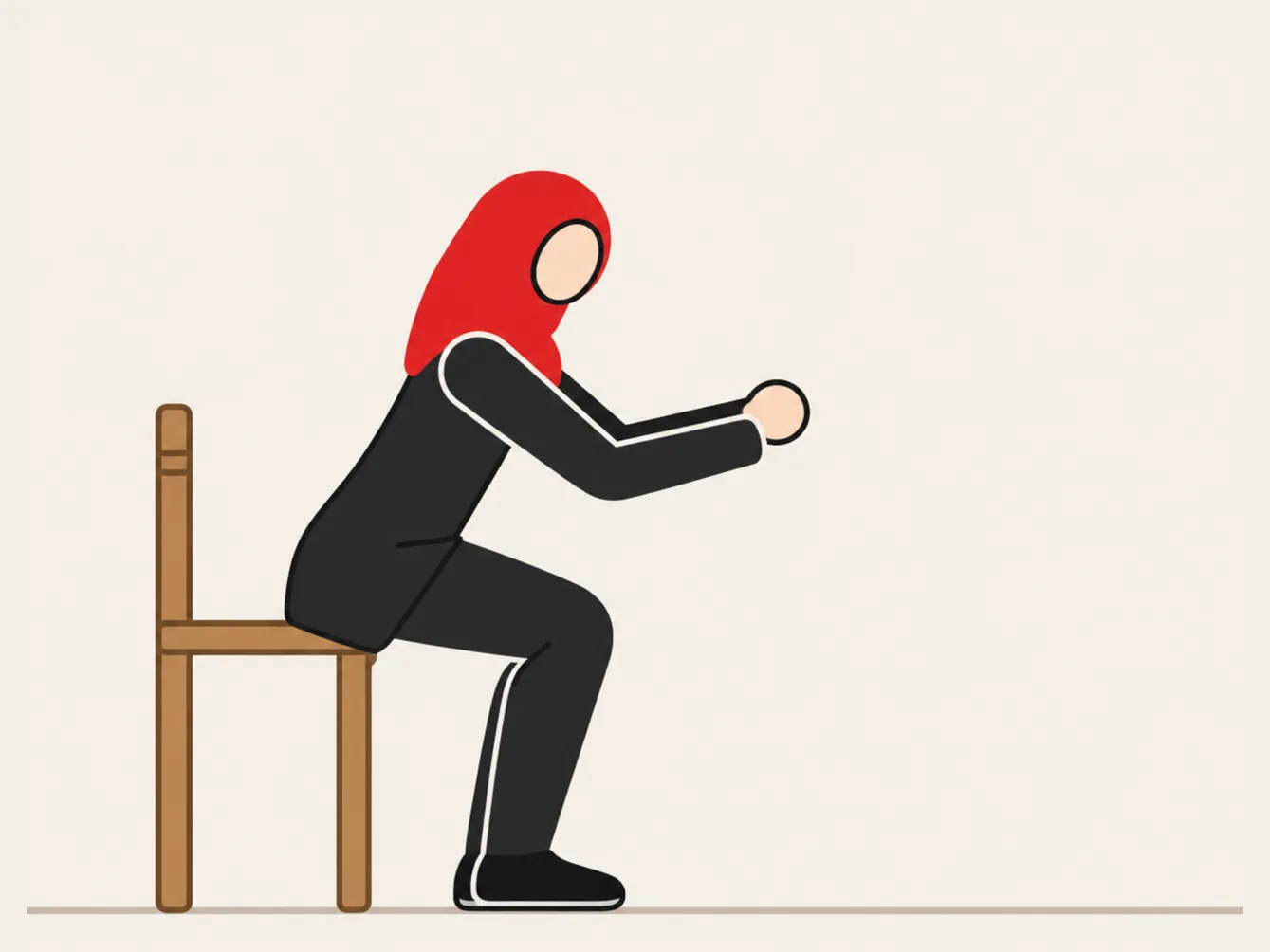
Build confidence for sitting down and standing up.
The drawings show the shape of each movement, not how far you should go. Mild, short-lived discomfort can be acceptable; stop and seek advice if pain is severe, spreads, or leg symptoms increase.
Day to day
Small changes make the days easier while the back settles.
Short walks and regular changes of position beat long spells in one posture, whether sitting or lying.
Break up lifting, cleaning and long drives, and build them back up gradually rather than all at once.
A heat pack wrapped in a towel for up to 20 minutes can ease a stiff, guarded back before you move.
A pillow between the knees on your side, or under the knees on your back, can make nights more comfortable.
Lying down for days lets the back stiffen and weaken. Rest briefly when you need to, then move again.
Staying at work, with adjusted tasks if needed, usually helps recovery more than staying home.
Pain relief is a matter for your doctor or pharmacist. Tell them, and us, if pain is stopping you sleeping or working.
Step by step
How the pain began, what eases and worsens it, your sleep, work, stress, pregnancy history, and what you want to get back to.
Warning signs, movement, strength and, if your leg hurts, the nerves. Nothing is forced.
What is likely going on, what is not, and whether you need a doctor or a scan. Most people do not.
Comfortable movement and a few exercises to start, with clear advice on how much and how often.
Care designed for women
Munaza Physio Studio is a women-only physiotherapy practice. Your back is assessed one-to-one by a female physiotherapist in a private room, so you can move, explain and ask without hesitation.
Women-only environment with a female physiotherapist
A private room for assessment and treatment
One-to-one sessions, never a shared slot, never rushed
Pregnancy and postnatal back pain understood
Home visits across Lahore when travelling is hard

Real Stories
My mother had a stroke that left her right arm and leg immobile. With Dr. Munaza’s expert physiotherapy, she regained full movement completely painfree and without any medication. We’re truly grateful for her care and professionalism.
I took home sessions for my neck, shoulder, back, and hip pain. Alhamdulillah, all my pain is gone like a magic. Even my headache, which I had for many years, got better with the exercises. Thank you so much Dr Munaza for your kind treatment and care. May Allah bless you.
“Dr. Munaza treated my neck and shoulder pain, as well as my muscle pull issue, very effectively. With the help of exercises and therapy, I feel much better now. She is very kind, caring, and cooperative. Highly recommended!”
I had neck pain with headaches for a long time. After treatment with Dr. Munaza, my pain got much better and the headaches eased. She listened carefully, treated me gently, and explained everything clearly. I feel relaxed and thankful for her care Best physiotherpist in the area👍🏻
Dr. Munaza is very kind and professional. My shoulder pain improved within a few sessions. Highly recommended!!!!
Simple pricing
Transparent pricing, with a personalised assessment at the start of every plan.
Clinic sessions start from PKR 1,500.
Home visit pricing depends on your location and condition, contact us for a quote.
Book AssessmentYour back is strong
Most low back pain is a sensitive back, not a damaged one. The aim is less pain now, more movement each week, and a back you trust again.
Questions
Most low back pain is non-specific: an assessment does not find one tissue or disease to blame, and the pain comes from a combination of sensitive joints, muscles and nerves, how much load the back has had, and things like sleep, stress and general health. Less often it is linked to a disc and a nerve root, a stress fracture of a vertebra, the sacroiliac joint, or, rarely, a serious condition that needs a doctor.
It means that an assessment has not identified one specific tissue or disease as the source of pain. Your pain is real. Treatment can still improve movement, strength and daily function, and about nine in ten people with low back pain fall into this group.
Go to an emergency department straight away if back pain comes with new difficulty passing urine, loss of bladder or bowel control, numbness around the genitals or back passage, or numbness or weakness in both legs. See a doctor promptly for fever, unexplained weight loss, a history of cancer, pain after a serious fall or accident, or pain that is severe at night and does not ease with rest.
Usually not. Imaging is not routinely needed for uncomplicated low back pain, and scans often show disc and joint changes in people with no pain at all. A clinician considers a scan or specialist referral when warning signs are present or when the result would change your treatment.
Try to stay active within your tolerance and avoid prolonged bed rest, which tends to slow recovery. Shorter walks, regular changes of position and temporary adjustments to demanding tasks usually help. Seek assessment if the pain is severe, spreading or not improving.
There is no single best exercise for everyone. Walking, comfortable mobility and progressive hip and trunk strengthening are all good options. Your examination, your preferences and how your back responds decide which ones suit you and how hard to go.
Usually, yes. Regular walking at a comfortable pace keeps the back moving and is one of the simplest ways to stay active while pain settles. Start with short walks and build them up; if walking clearly worsens leg pain or numbness, have it assessed.
Either can ease pain for a while, and heat is often more comfortable for a stiff, guarded back. Neither treats the cause, so use them to make movement easier rather than instead of it. Protect your skin and limit each use to about twenty minutes.
Many new episodes improve over a few weeks, but persistent pain, nerve symptoms, other health conditions and daily demands can change the course. Pain lasting more than twelve weeks is called persistent, and it still responds to exercise and a well-paced plan. Progress is judged by function as well as by pain.
Yes, flare-ups are common, and having one does not mean something is damaged. Staying active, keeping up the strength you have built and returning to demanding tasks gradually lower the chance of another flare and help you recover faster when one happens.
Assessment can help distinguish back pain from pelvic-girdle or other concerns. Pregnancy, delivery history and medical advice change exercise selection, so do not begin a general programme during pregnancy or after delivery without individual advice.
No. You can book an assessment directly. If your examination suggests anything that needs a doctor or imaging first, we tell you straight away and refer you.
Munaza Physio Studio offers private, one-to-one assessment with a female physiotherapist in Allama Iqbal Town, Lahore, with home visits across Lahore when travelling is difficult. Book an appointment or message us to discuss your symptoms. Emergency warning signs need hospital care first.
Safety first
Your next step
Tell us where your back hurts, how long it has, and what it is stopping you doing. We will tell you honestly how physiotherapy can help. Women-only · One-to-one · At the studio or at home in Lahore.
 5.0