STUDIO_ARSENAL
Sports rehab in Lahore for women who want more than temporary relief. We assess the injury, rebuild capacity and test the movements your sport actually demands.
The short answer / AEO
Sports rehabilitation restores the movement, strength, control and confidence needed to return safely after injury or surgery. At Munaza Physio Studio in Lahore, every plan follows four clear stages: assess what is limiting you, settle symptoms and restore motion, progressively rebuild capacity, then test sport-specific tasks before full return.
The comeback protocol
Your plan is not a stack of random exercises. Each phase has a purpose, measurable checkpoints and a clear reason to progress.
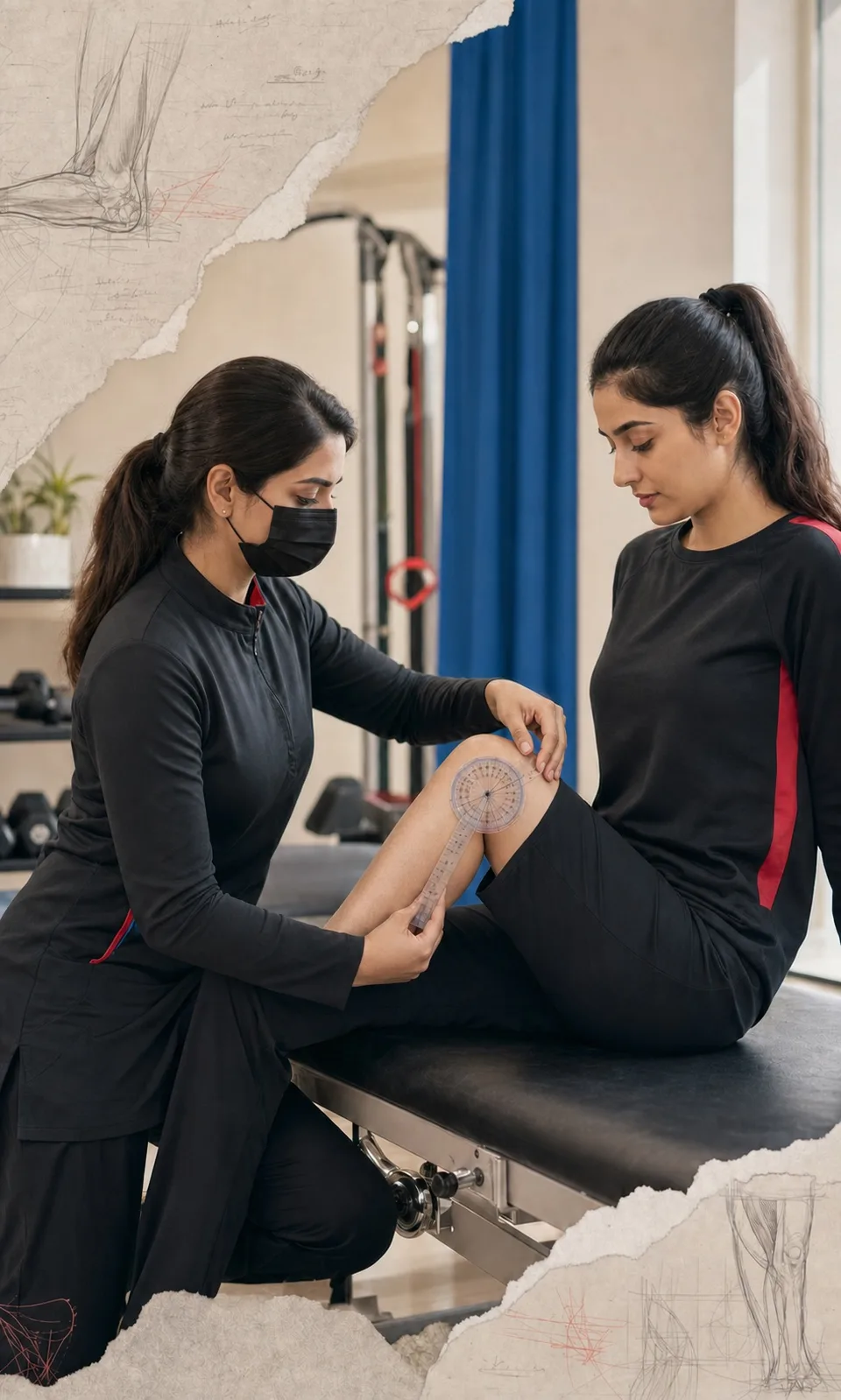
We discuss the injury, sport, training load and goals. Movement, range, strength, balance and relevant clinical tests identify what needs attention.
Early care reduces irritability without creating fear of movement. Education, appropriate hands-on care and graded mobility prepare the tissue for useful loading.
Planned progression develops the muscle, tendon and movement capacity needed for running, lifting, jumping, throwing or your chosen activity.
We compare relevant strength, balance, hopping, landing and confidence markers. Return is a graduated bridge, not permission based on a date alone.
Available in the studio / equipment-led rehab
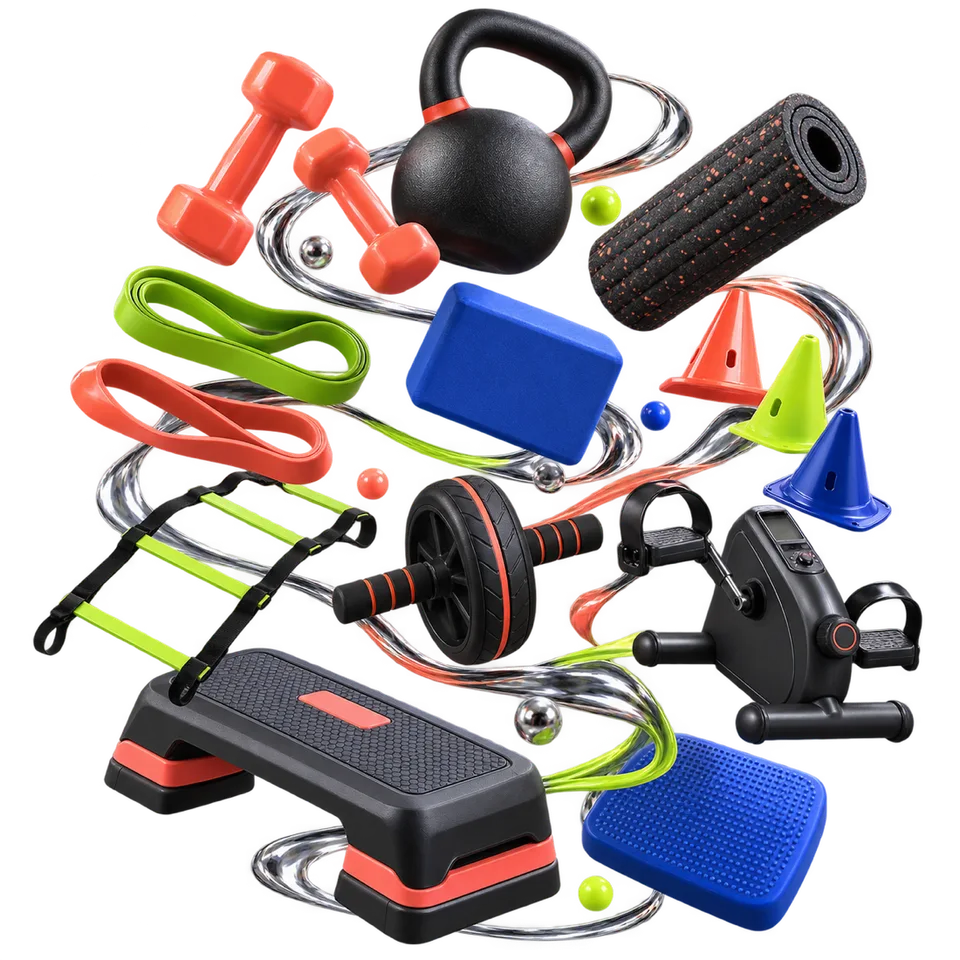
Equipment supports a goal; it never decides the plan. Dr. Munaza selects and progresses tools after assessment, based on symptoms, capacity and the movement demands you need to regain.
Progressive resistance for squats, hinges, carries, rows, presses and sport-specific strength foundations. Used for muscle strains, ACL and knee rehab, and shoulder capacity.
Tube, loop and open-end bands allow controlled assistance, resistance and movement rehearsal across early and advanced phases. Used for rotator cuff, hip control, calf and ankle work.
Footwork, deceleration, direction changes and reaction tasks for badminton, cricket, football and court-sport return. Used for change-of-direction, coordination and return to field.
Adjustable support and unstable surfaces for balance, joint-position awareness, mobility and single-leg control. Used for ankle instability, knee control and postural capacity.
Step loading, landing mechanics, jumping exposure and progressive power once strength and tissue tolerance are ready. Used for step-down control, hop progression and power re-entry.
Trunk stiffness, shoulder-to-hip force transfer and anti-extension control, introduced only when appropriate. Used for core control, shoulder loading and athletic transfer.
TENS/EMS, ultrasound, infrared heat, hot-cold packs, massage tools, IASTM, taping, cupping and foam rolling may support comfort or preparation alongside active rehabilitation — an adjunct, individually screened, never a replacement.
Range, pressure control, balance and functional testing make change visible and help decide when to progress — baseline, re-test, return criteria.
Lever pulley leg and arm exerciser · massage roller · resistance band tube set · posture alignment belt · TENS + EMS · heating pad · gym ball · loop bands · foam roller · KT tape · hijama kit · infrared stand and lamp · hand gripper · Mulligan traction belt · massage gun · mini exercise bike · open-end bands · ankle weights · massage stick · yoga mat · knee roller · ultrasound · hot and cold packs · goniometer set · measuring tape · balance pad · kettlebells · dumbbells · rigid tape · Hypafix · soft plyo box · rigid athletic tape · IASTM tools · plyometric jump box · reflex hammer · pressure biofeedback unit · cones · agility ladder · ab wheel · stepper · yoga block.
The injury wall
Common sports injuries we assess and rehabilitate. A clinical assessment is needed because similar symptoms can have different causes.
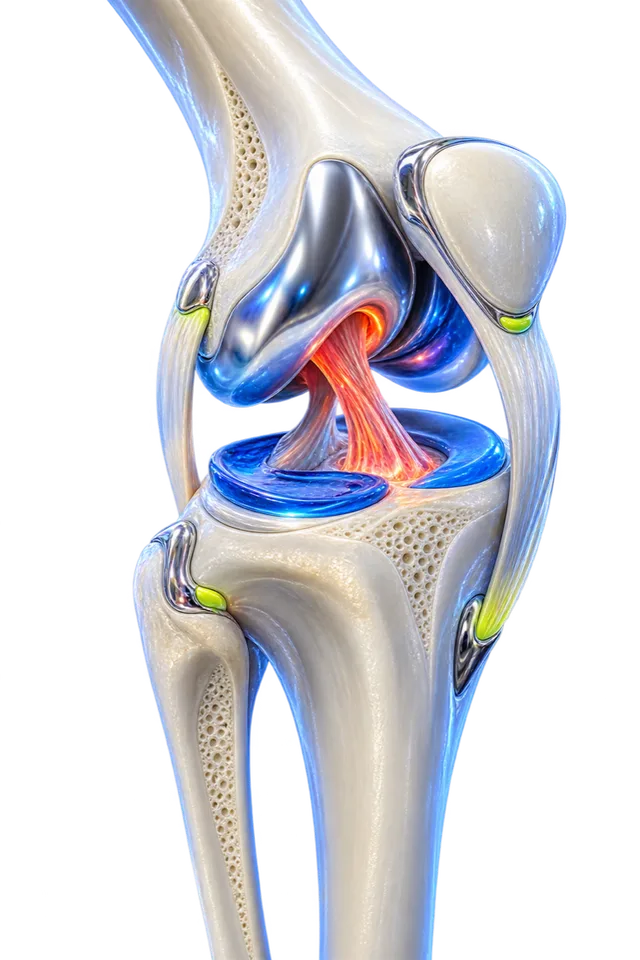
From post-operative range and strength to jumping, cutting and a gradual return to training.
Open detail page ↗Load management, hip and knee capacity, running tolerance and movement confidence.
Open detail page ↗Restore mobility, calf strength, balance, landing control and change-of-direction readiness.
Open detail page ↗Progressive loading matched to tendon irritability, energy storage and sport demands.
Open detail page ↗Strength, control and exposure to pressing, pulling, throwing or racquet demands.
Open detail page ↗Hamstring, calf, groin and other muscle injuries rebuilt from early loading to speed.
Open detail page ↗Urgent-care noteSudden severe pain, deformity, inability to bear weight, marked swelling, chest pain, fainting, or new neurological symptoms may need urgent medical assessment.
Measured, then earned
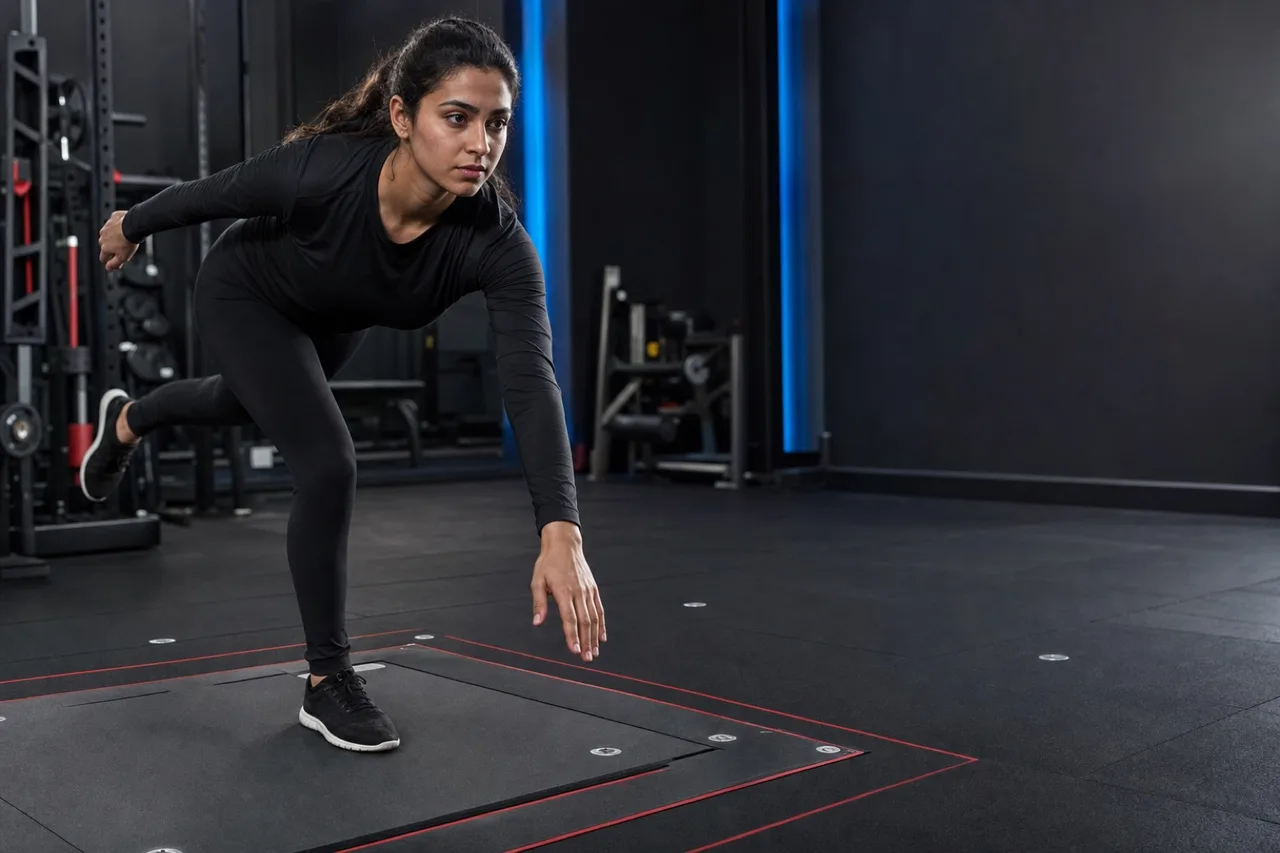
Pain improvement matters, but sport asks more. A runner must tolerate repeated impact. A badminton player needs fast deceleration and direction changes. A lifter needs control under load. Testing is selected for your injury and goal; it may include strength comparisons, calf or single-leg endurance, hop tasks, landing quality, balance, range of motion and confidence.
Baseline measured at assessment
Exposure increased gradually
Readiness reviewed before return
Our approach reflects modern rehabilitation principles: progressive loading, shared decisions and relevant functional testing.
Professional roles / coordinated care
Sports rehabilitation works best when each professional stays within scope and communication is coordinated. The people involved depend on the injury, health history and performance goal.
Clinical assessment, rehabilitation planning, exercise progression, symptom monitoring, functional testing and return-to-activity coordination.
Medical diagnosis, imaging decisions, medication, surgical opinion and management of red flags or complex pathology when required.
Performance development and training-load progression after clinical restrictions reduce and key movement capacities are restored.
Individual nutrition support for recovery, energy availability, bone health or sport demands. Nutrition care is not prescribed through this web page.
Specialist support when pregnancy, postpartum recovery, pelvic symptoms or life-stage factors intersect with return to sport.
The athlete's goals, confidence and lived experience guide shared decisions; the coach helps translate clinic capacity into real training exposure.
Rehabilitation may need to account for life stage, menstrual symptoms, pregnancy or postpartum history, bone-health risk, fuelling and recovery — not by making assumptions, but by asking relevant questions and adapting the plan to the individual.
Programs / issue no. 04
Every program begins with assessment. The name describes the goal; the treatment plan remains individual.
For knee, shin, calf, foot or Achilles symptoms that are interrupting your mileage.
Criterion-led rehabilitation for women after ACL injury or reconstruction, from early recovery to sport.
For athletes who feel "better" but are not yet ready for full speed, impact or training volume.
Frequently asked
Still unsure? Send your question on WhatsApp and we will help you choose the right appointment.
Sports rehabilitation is progressive physiotherapy that restores movement, strength, control and sport-specific capacity after injury or surgery. It uses relevant milestones to guide a safer return.
It depends on the diagnosis, tissue healing, training demands and your response. A mild strain may improve within weeks; tendon, ligament or post-surgical rehabilitation can require several months. We review your progress instead of promising a fixed date.
Yes. Testing may include strength, balance, endurance, hopping, landing, mobility and confidence measures selected for your injury and activity.
Absolutely. The service is for recreational runners, gym members, students, active mothers and competitive athletes. Your plan starts at your current capacity.
Yes. Munaza Physio Studio is a private women-only clinic in Karim Block, Allama Iqbal Town, Lahore.
Bring relevant reports, scans or surgical instructions, a list of current medication if applicable, and clothing that lets you move comfortably. Sports shoes and a short video of the aggravating activity can be useful.
Your next move
Book a women-only sports rehab assessment at Munaza Physio Studio in Lahore.