
Pain down the back of the leg
From the buttock down the back of the thigh, often past the knee into the calf or foot, on one side.
Leg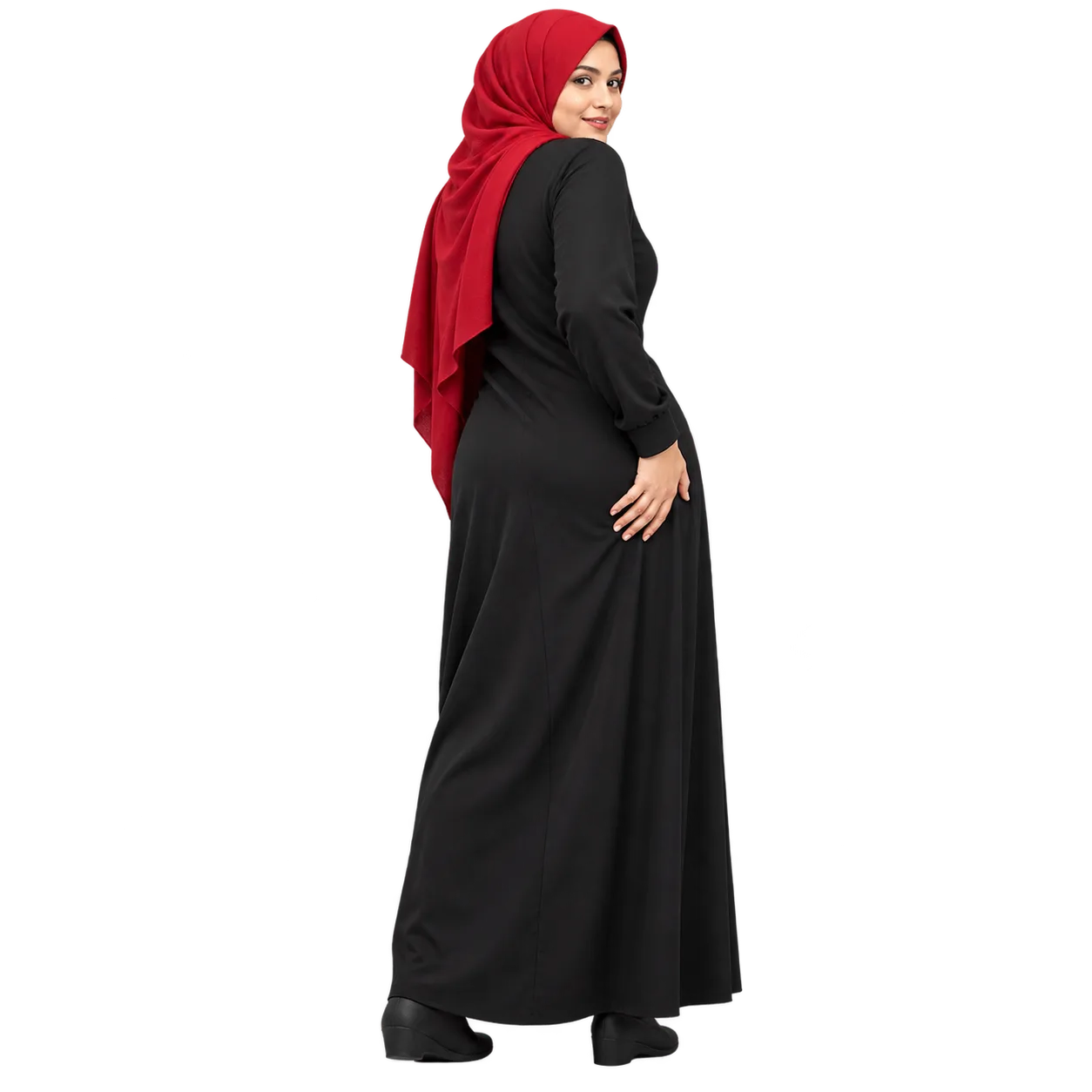
Sciatica · Physiotherapy · Lahore
Burning, electric or aching pain from the buttock down the back of the leg, sometimes with tingling or numbness in the foot. It is an irritated nerve, and most of it improves with the right movement, nerve-friendly exercise and time. Private physiotherapy with a female physiotherapist in Lahore, at the studio or at home.
The short answer
Sciatica is pain that travels from the lower back or buttock down the back of one leg, often below the knee, because a nerve root in the lower back or the sciatic nerve is irritated. The most common cause is a disc bulging onto a nerve root; narrowing around the nerve and, rarely, a tight space in the buttock are others. It often comes with tingling, numbness or a weak foot.
Physiotherapy starts by checking for the rare emergency signs and for weakness, then finds what is driving your leg pain. Staying active, gentle nerve glides instead of hard stretching, movements that ease the leg pain, and gradual strengthening help most people recover without a scan or surgery.
At a glance
The sciatic nerve is the longest and thickest in the body. When one of the roots that form it is irritated, the whole path down the leg can hurt.
have sciatica at some point in life; estimates vary.
from the lower back and sacrum join to form the sciatic nerve.
to improve; most get better over a few months.
with activity, exercise and time.
What you may notice
From the buttock down the back of the thigh, often past the knee into the calf or foot, on one side.
LegShooting, burning or electric pain, often worse than the back pain itself.
FeelTingling or a numb patch in the calf, foot or toes, in the same strip as the pain.
TinglingSitting for long, coughing, sneezing or straining sends the pain down the leg.
SittingBending forward, lifting the leg or putting on socks and shoes pulls on the leg.
BendingTrouble lifting the front of the foot or pushing off: get this assessed promptly.
WeaknessSCROLL FOR THE ASSESSMENT TO FIND YOUR ROOT CAUSE
Nerve or back?
Pain in the leg is not always sciatica. Back pain can spread into the buttock and thigh too. These patterns help tell them apart; they cannot diagnose you.
Calf pain that comes on walking and eases within minutes of stopping can be a circulation problem, and a hip can send pain to the thigh and knee. An assessment sorts these out.
Where it can come from
Pick a step to see where it sits along a woman’s lower spine, pelvis and leg. These describe terms you may hear; they are not a checklist for diagnosing yourself.
A disc in the lower back, usually between L4 and L5 or L5 and S1, can bulge onto the nerve root beside it. The root becomes irritated and inflamed, and pain is felt down the leg the nerve supplies. Most of these settle without surgery.
With age, thickened joints and ligaments can narrow the space where a nerve root leaves the spine (stenosis). Leg pain then tends to build with walking or standing and ease with sitting or bending forward.
The sciatic nerve passes beneath the piriformis muscle deep in the buttock. Rarely, the nerve is irritated there, with buttock pain worse on sitting. It is often blamed, and less often the cause.
The pain follows the nerve: the buttock, the back of the thigh, often below the knee into the calf and foot, sometimes with tingling or numbness in the same strip. Leg pain worse than back pain is typical.
Raising a straight leg tightens the sciatic nerve along the back of the leg. When it is sensitive, that reproduces the pain, which is why hard hamstring stretches can flare sciatica and gentle nerve glides are used instead.
A teaching drawing from behind, not your body. Where pain is felt is a clue, not a diagnosis, which is why an assessment matters.
Inside the lower back and leg
The 3D model of a woman’s lower spine, pelvis, leg and sciatic nerve follows each point as you read: a disc pressing on a root, the path the pain travels, the nerve tightening as a straight leg is raised, and an easy walking stride.
Most sciatica comes from a disc bulging onto a nerve root in the lower back. The examination finds which root, and checks your strength, sensation and reflexes.
The irritated root sends pain the whole way down the nerve. Easing what flares it, finding positions that settle it and keeping gently active let it calm.
Raising a straight leg tightens the nerve. Gentle nerve glides move it without pulling it tight, unlike hard hamstring stretches.
Walking a little more each day, then building strength in the back, hips and legs, brings back sitting, bending and lifting.
How it is assessed
Sciatica is diagnosed from your story and a careful examination of the back and the nerves. A scan is not usually the first step.
An MRI is considered for warning signs, worsening weakness, or severe pain that is not settling when the result would change your care.
Myths and facts
A few common beliefs about sciatica make recovery slower. These are the ones we hear most.
None of this means your pain is not real. It means it is safe, and helpful, to keep moving once emergency signs are ruled out.
Recovery in phases
The phases overlap and are adapted to you; they are not a fixed timetable.
Find positions that ease the leg, keep walking, and avoid what sends the pain further down.
Gentle nerve glides and the movements that settle your leg pain, with hands-on care where it helps.
Back, hip and leg strength for sitting, bending, lifting and work, and a plan for flare-ups.
Pain usually eases before tingling or numbness does. Weakness that is getting worse needs prompt review at any stage.
Sciatica exercises at home
Based on the nerve-friendly exercises used in NHS physiotherapy. Use only the exercises agreed with your physiotherapist; they should not send pain further down your leg.
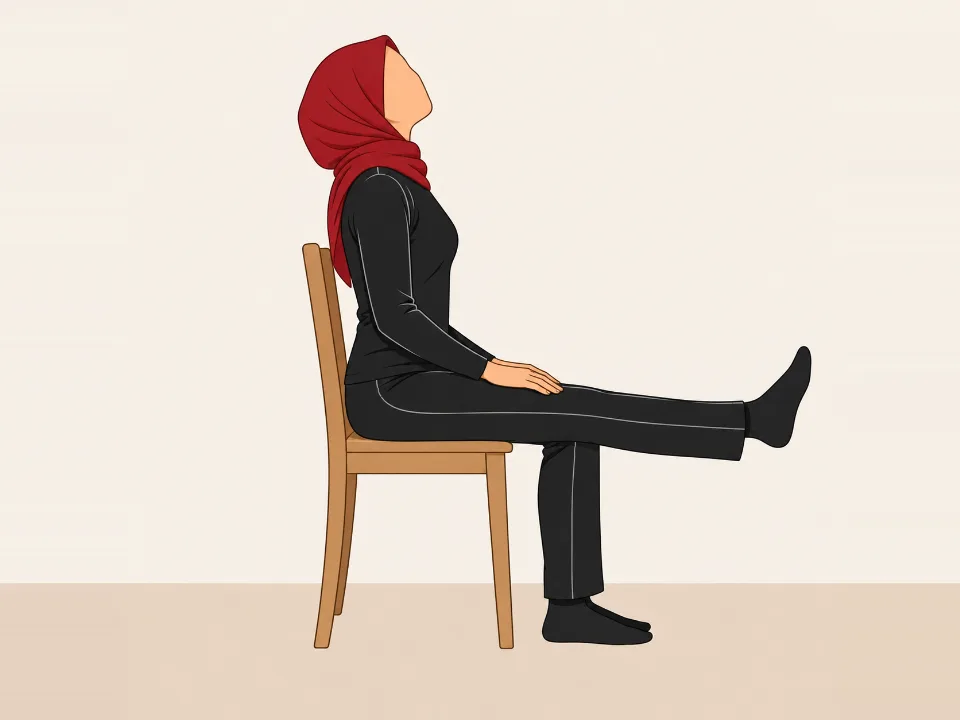
Move the sciatic nerve gently without pulling it tight.
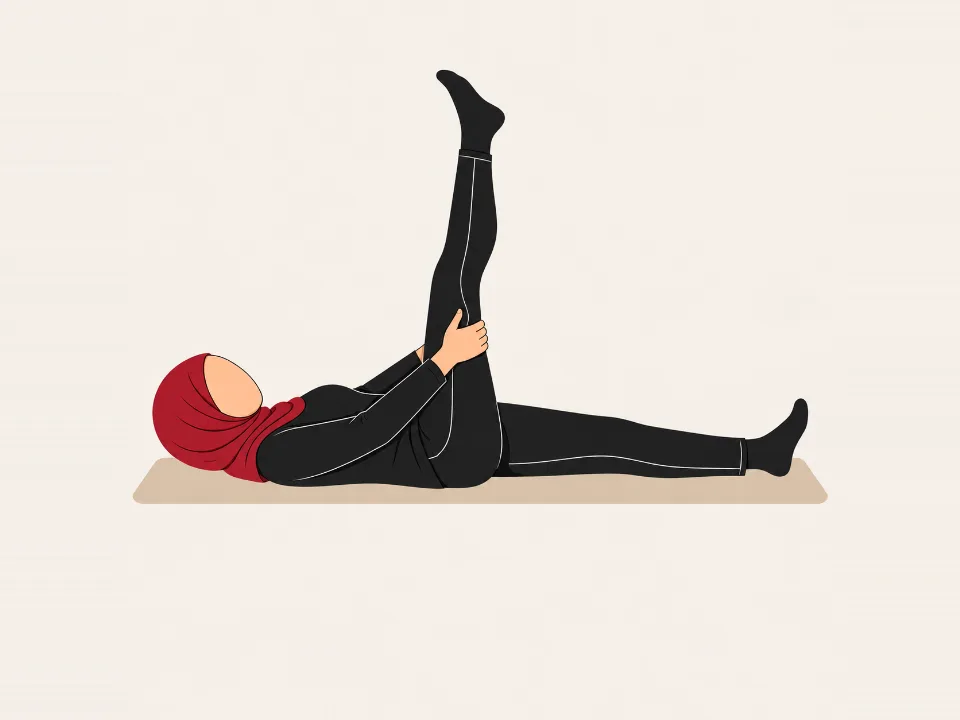
A gentler glide when sitting is uncomfortable.
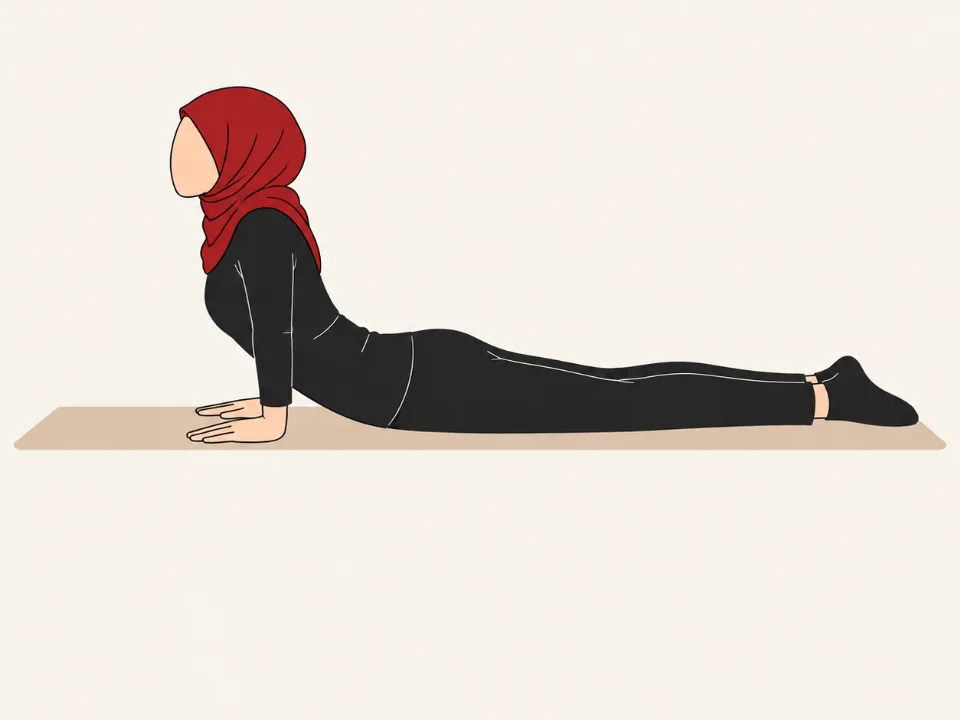
For disc-related sciatica, when it eases the leg pain.
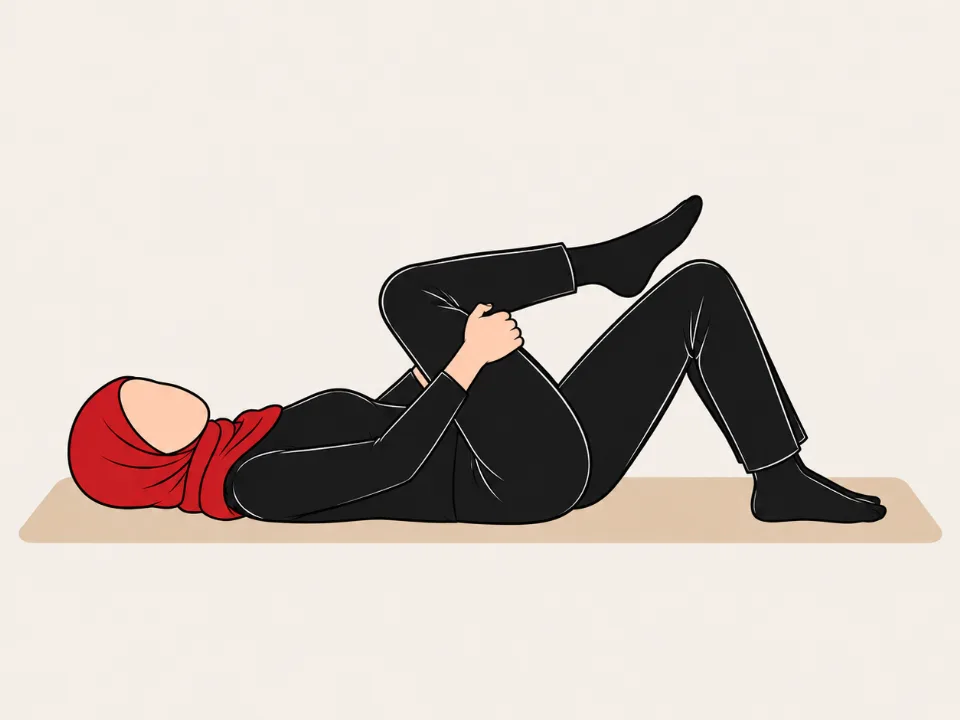
Ease a stiff lower back gently.
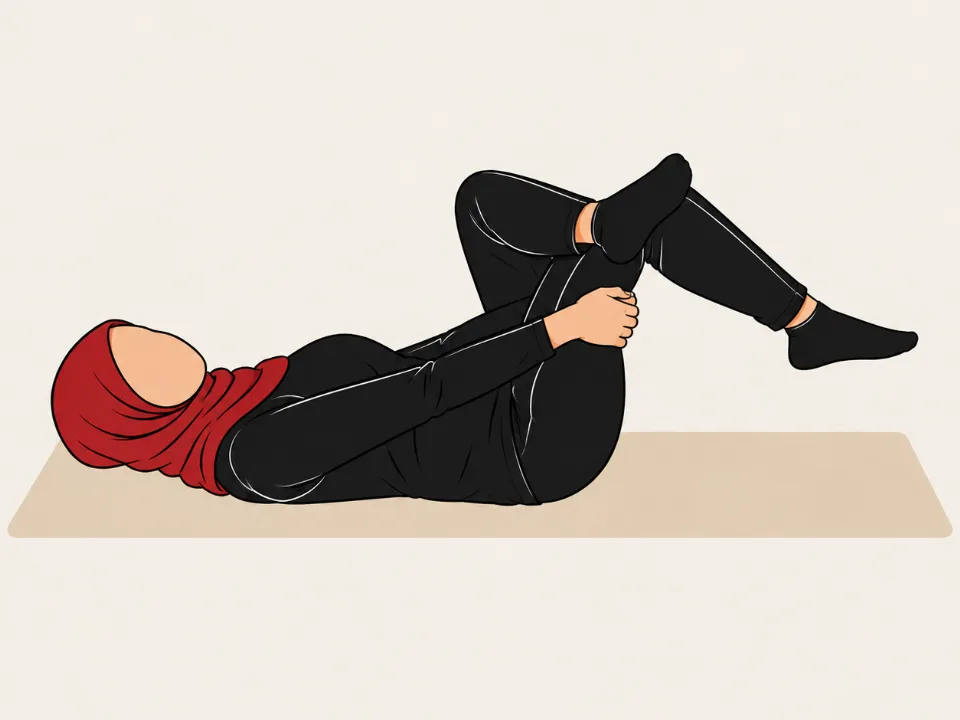
Ease a tight buttock and piriformis.
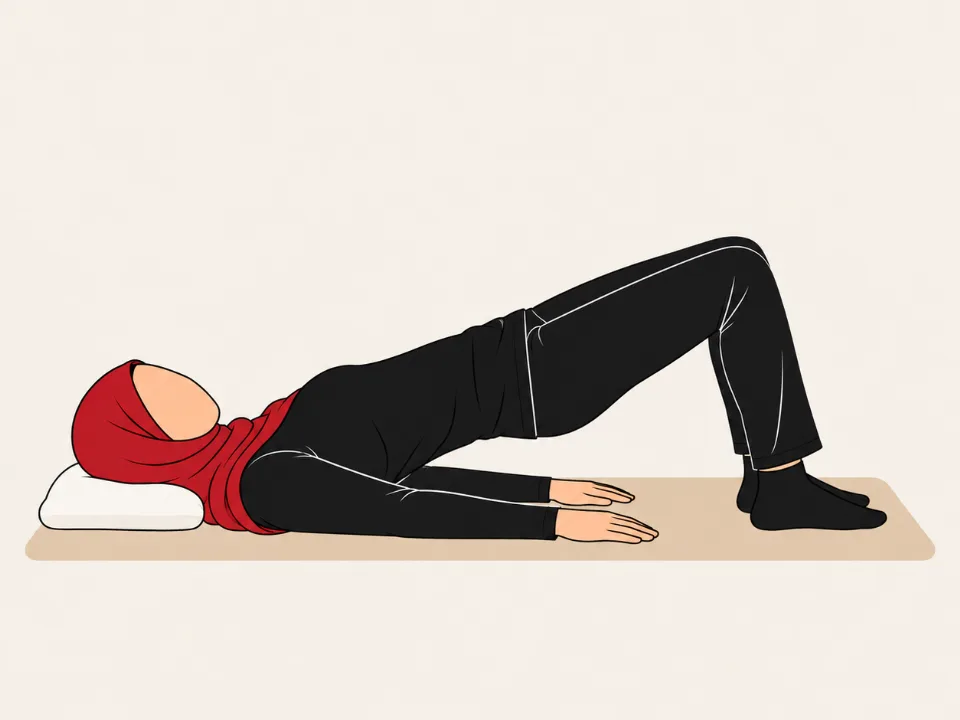
Build hip and back strength when the pain allows.
Stop and ask for advice if pain spreads further down the leg, or tingling, numbness or weakness increases. New numbness around the genitals or bladder changes need emergency care.
Day to day
Small changes make the days easier while the nerve settles.
Short, regular walks on flat ground usually help more than a long one, or than lying down.
Get up every 20 to 30 minutes; sit upright with your back supported and feet flat.
Lying on your side with a pillow between the knees, or on your back with the knees bent, can settle the leg.
A heat pack on the lower back or buttock for up to 20 minutes can ease muscle spasm.
Pulling the leg straight to stretch the hamstring can flare an irritated nerve.
Staying at work with adjusted tasks usually helps recovery; ask for a chair and breaks.
Pain relief is a matter for your doctor or pharmacist. Some medicines are not advised for sciatica; ask them which suit you.
Step by step
Where the pain travels, what eases and spreads it, your bladder and bowel, pregnancy, work, sleep, and what you want to get back to.
Emergency signs first, then your strength, sensation and reflexes, the back and hips, and the nerve tests. Nothing is forced.
What is likely irritating the nerve, what is not, and whether you need a doctor or a scan first. Most people do not.
Positions and movements that ease the leg, gentle nerve glides and walking, with how much, how often and when to call.
Care designed for women
Munaza Physio Studio is a women-only physiotherapy practice. Your back and leg are assessed one-to-one by a female physiotherapist in a private room, so you can describe every symptom, including bladder or pregnancy changes, without hesitation.
Women-only environment with a female physiotherapist
A private room for assessment and treatment
One-to-one sessions, never a shared slot, never rushed
Pregnancy and postnatal leg pain understood
Home visits across Lahore when travelling is hard

Real Stories
My mother had a stroke that left her right arm and leg immobile. With Dr. Munaza’s expert physiotherapy, she regained full movement completely painfree and without any medication. We’re truly grateful for her care and professionalism.
I took home sessions for my neck, shoulder, back, and hip pain. Alhamdulillah, all my pain is gone like a magic. Even my headache, which I had for many years, got better with the exercises. Thank you so much Dr Munaza for your kind treatment and care. May Allah bless you.
“Dr. Munaza treated my neck and shoulder pain, as well as my muscle pull issue, very effectively. With the help of exercises and therapy, I feel much better now. She is very kind, caring, and cooperative. Highly recommended!”
I had neck pain with headaches for a long time. After treatment with Dr. Munaza, my pain got much better and the headaches eased. She listened carefully, treated me gently, and explained everything clearly. I feel relaxed and thankful for her care Best physiotherpist in the area👍🏻
Dr. Munaza is very kind and professional. My shoulder pain improved within a few sessions. Highly recommended!!!!
Simple pricing
Transparent pricing, with a personalised assessment at the start of every plan.
Clinic sessions start from PKR 1,500.
Home visit pricing depends on your location and condition, contact us for a quote.
Book AssessmentYour nerve can settle
Most sciatica is an irritated nerve, not a damaged one. The aim is less leg pain now, more walking each week, and a back and leg you trust again.
Questions
Sciatica is pain that travels from the lower back or buttock down the back of one leg, often below the knee and into the foot, because a nerve root in the lower back or the sciatic nerve itself is irritated. It can come with burning, an electric feeling, pins and needles, numbness or weakness. It describes a symptom; the cause is found by examination.
Most often a disc in the lower back bulging onto a nerve root, usually at the L4/L5 or L5/S1 level. Narrowing of the space around the nerves (stenosis), more common with age, and less often a tight space deep in the buttock near the piriformis muscle, can also cause it. In pregnancy, pelvic and back changes can produce similar leg pain.
No. A disc does not slip out of place. A disc can bulge or herniate and press on a nerve root, which is one common cause of sciatica, but disc bulges are also very common in people with no pain at all. Sciatica describes the leg pain; a disc is one possible reason for it.
Many people improve within 4 to 6 weeks, and most get better over a few months, although it can take longer and can come back. Pain usually eases before tingling or numbness does. Steady improvement in walking, sitting and sleep is the best sign it is on track.
Not usually at first. An MRI is considered when warning signs suggest something serious, when weakness is getting worse, or when severe symptoms are not settling and the result would change your care, for example if an injection or surgery is being discussed. Scan findings must be matched to your symptoms.
Keep walking and moving within comfort. Bed rest is not advised: it slows recovery. Short walks, often, with changes of position, usually help more than lying down. Ease off what clearly sends the pain further down the leg.
Not hard. A strong hamstring stretch also stretches an irritated nerve and can flare it. Gentle nerve "sliders", which move the nerve without pulling it tight, and comfortable movement work better. Your physiotherapist will show you which suit you.
Most people do not. Surgery is considered for the emergency signs below, for weakness that is getting worse, or for severe leg pain that has not improved after a good trial of non-surgical care. Even then, it is a decision made with a spine specialist.
Leg and buttock pain is common in pregnancy, and often comes from the pelvic joints rather than a trapped nerve. Physiotherapy can assess which it is and help with positions, support, gentle exercise and sleep. New numbness, weakness or bladder changes in pregnancy need urgent medical advice.
Sitting bends the lower back and puts more pressure on the discs, and a slumped sit also tightens the sciatic nerve along the back of the leg. Shorter spells of sitting, a supported upright posture and getting up to walk often help.
Go to an emergency department straight away for new difficulty passing urine, loss of bladder or bowel control, numbness around the genitals, anus or inner thighs, sciatica in both legs, or weakness that is getting rapidly worse. These can be signs of cauda equina syndrome, which needs urgent treatment.
Yes. Munaza Physio Studio in Allama Iqbal Town, Lahore, is a women-only practice. Your assessment and treatment are one-to-one with a female physiotherapist in a private room, at the studio or at home across Lahore.
Safety first
Your next step
Tell us where your leg pain travels, how long it has, and what it is stopping you doing. We will tell you honestly how physiotherapy can help. Women-only · One-to-one · At the studio or at home in Lahore.
 5.0