
Pins and needles at night
Fingers tingle or go numb and wake you; changing your arm position or shaking the hand eases it.
Night
Nerve Entrapment · Tingling · Physiotherapy · Lahore
Pins and needles, numb fingers, a burning or heavy arm, a grip that is weaker than it was. A nerve can be squeezed at the neck, the elbow, the forearm or the wrist, and the clue is which fingers and when. Private physiotherapy with a female physiotherapist in Lahore, at the studio or at home.
The short answer
It is a nerve being squeezed, stretched or irritated somewhere between the neck and the hand. The three big nerves of the arm, the median, ulnar and radial, each pass through narrow places: between the neck muscles and the first rib, behind the inner bump of the elbow, through a muscle just below the outer elbow, and through the carpal tunnel at the wrist. Which fingers tingle, and what brings it on, tell you which nerve and where, though more than one place can be involved, and the neck can send symptoms down the arm too.
Physiotherapy finds where, rules out the neck, a circulation problem or a medical cause that needs a doctor first, and then takes the pressure off with changes to the positions that provoke it, a night splint or a pad where it helps, gentle nerve sliders, and posture, breathing and strengthening work for the neck, shoulder blade and arm. Most people improve without surgery; if numbness is constant or weakness appears, a doctor can arrange a nerve test and a surgical opinion.
At a glance
A nerve is a long cable that has to slide through tight spaces every time you move. Where it is squeezed decides the fingers that tingle.
They carry feeling and movement from the neck to the hand.
The neck and first rib, the elbow, the forearm and the wrist.
Little finger and half the ring finger tingling points to the elbow or wrist.
A typical plan before a nerve test or surgical opinion is considered.
What you may notice
Fingers tingle or go numb and wake you; changing your arm position or shaking the hand eases it.
NightThe little and ring fingers go numb with a phone at your ear or with your elbow bent for long.
PhoneHanging washing or carrying a heavy bag leaves the whole arm tingling, heavy or aching.
OverheadNeck pain that spreads into the shoulder or arm, changing with neck movement.
NeckA deep ache at the top of the forearm with turning your palm or lifting your wrist.
AcheDropping things, fiddly buttons or a weak pinch, with or without tingling.
WeakSCROLL FOR THE ASSESSMENT TO FIND YOUR ROOT CAUSE
Which finger is numb?
The pattern of numbness is the best first clue. These help your physiotherapist narrow it down; they are not a way to diagnose yourself.
Sudden weakness, a wrist or fingers that will not lift, or arm swelling or colour change need a doctor first.
Where it can come from
Pick a step to see where a nerve can be squeezed. Watch the nerves lengthen and redden as the elbow bends and the neck tilts. These describe terms you may hear; they are not a checklist for diagnosing yourself.
The nerves leave the neck, pass between a neck muscle and the first rib, and gather into the plexus. Squeezed there (thoracic outlet), or irritated at the root, they give arm tingling, aching or heaviness, worse with the arms overhead or a heavy bag.
The ulnar nerve runs in a groove behind the inner bump of the elbow, the "funny bone". Bending the elbow stretches and presses it, so the little and ring fingers tingle, as when holding a phone or sleeping with the elbows bent.
Just below the outer elbow the radial nerve passes through a muscle, the supinator. Squeezed there it can ache in the top of the forearm with turning the palm or lifting the wrist, and is often mistaken for tennis elbow.
The median nerve crosses the elbow and can be squeezed in the forearm, then runs through the carpal tunnel at the wrist. Numbness in the thumb, index and middle fingers, worse at night, points here; the wrist guide covers it.
A healthy nerve slides through its tunnels as you move. Gentle sliders, where the elbow bends as the neck tilts toward it and the reverse, keep it gliding without stretching it, a little and often.
A teaching drawing of a woman’s right arm from the outer side, not your arm. Where it tingles is a clue, not a diagnosis, which is why an assessment matters.
Inside the arm
The 3D model of a woman’s neck and arm follows each point as you read: the places a nerve can be squeezed lighting in turn, the ulnar nerve stretched as the elbow bends and relieved as it straightens, the nerves gliding as the neck tilts, and the shoulder blade drawing back as the arm lifts.
Which fingers, when and with what position are mapped to the nerve and the place, and the neck, circulation and medical causes are ruled out.
Changing the long, bent positions, padding the elbow or splinting the wrist at night, and easing heavy loads on the shoulder let the nerve settle.
Gentle sliders, with the neck tilting toward a bending elbow and away from a straightening one, keep the nerve gliding without stretching it.
Shoulder blade, neck and breathing work opens the space at the first rib and carries the arm, with a plan to keep it that way.
How it is assessed
A pinched nerve is diagnosed from your story and a careful examination. A nerve test or scan is used when it will change the plan. This is what a physiotherapist checks.
Nerve conduction studies or ultrasound are considered when the diagnosis is unclear, symptoms are severe or progressive, or surgery is being discussed.
Neck or nerve at the elbow?
A numb hand does not always come from the wrist. Where it sits, and what brings it on, usually tells them apart.
They can coexist. The wrist and hand guide covers carpal tunnel; the neck pain guide covers the neck.
Stretching, resting and surgery
A few common beliefs about a pinched nerve make it last longer. These are the ones we hear most.
None of this means your symptoms are not real. It means the right pressure relief, glides and strength matter more than force or rest.
Recovery in phases
The phases overlap and are adapted to you; they are not a fixed timetable.
Find the place, change the provoking positions, pad or splint at night where it helps, and start breathing and posture work.
Gentle nerve sliders, shoulder blade and neck strengthening, and chest and first-rib mobility, building up steadily.
Carrying, lifting and overhead work for home, work and childcare, with a plan for flare-ups.
A nerve recovers slowly, so review at six weeks. If numbness is constant or weakness is growing, a doctor should arrange a nerve test.
Nerve exercises at home
Gentle, early-phase moves for the neck, shoulder girdle and arm. Use only the exercises agreed with your physiotherapist. A mild stretch is fine; tingling that builds, spreads or lingers is not, so stop and ease off.
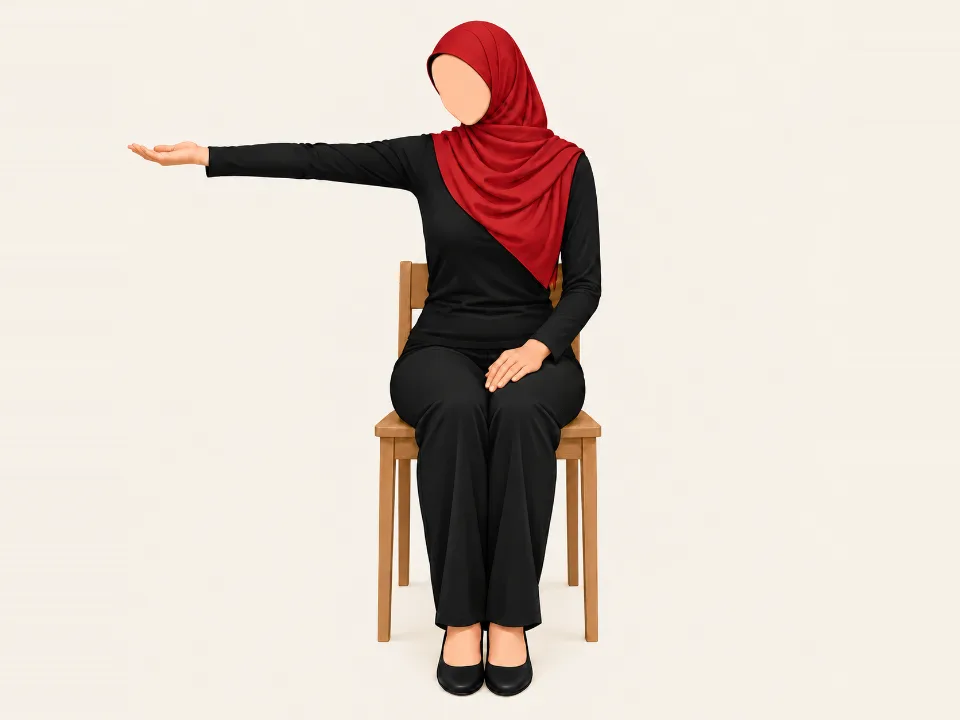
Slide the nerve through the wrist and forearm without stretching it.
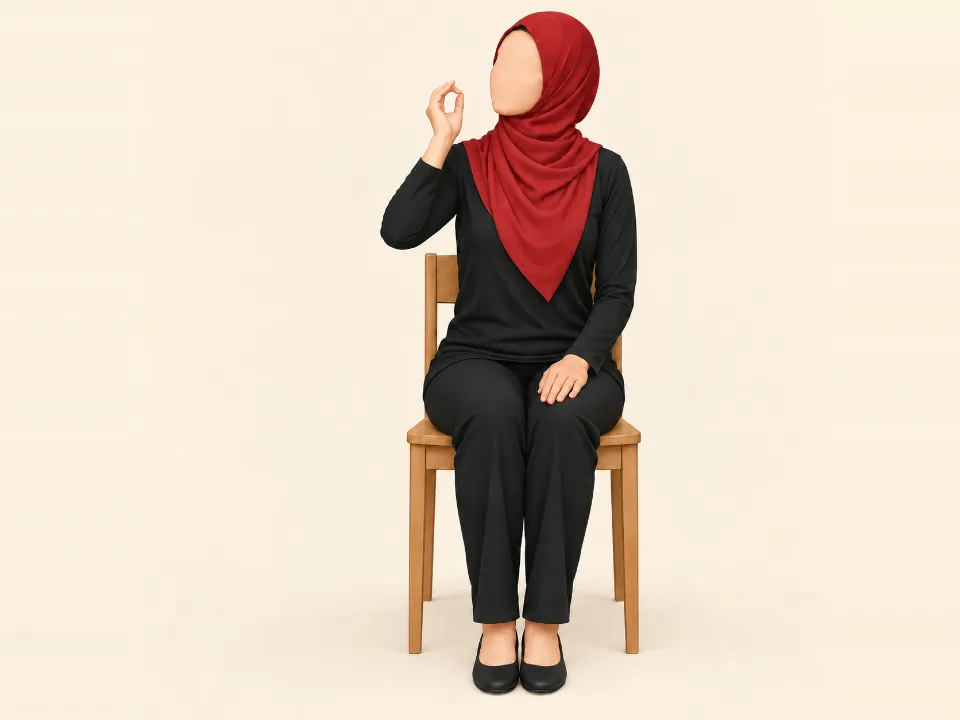
Keep the nerve sliding behind the elbow.
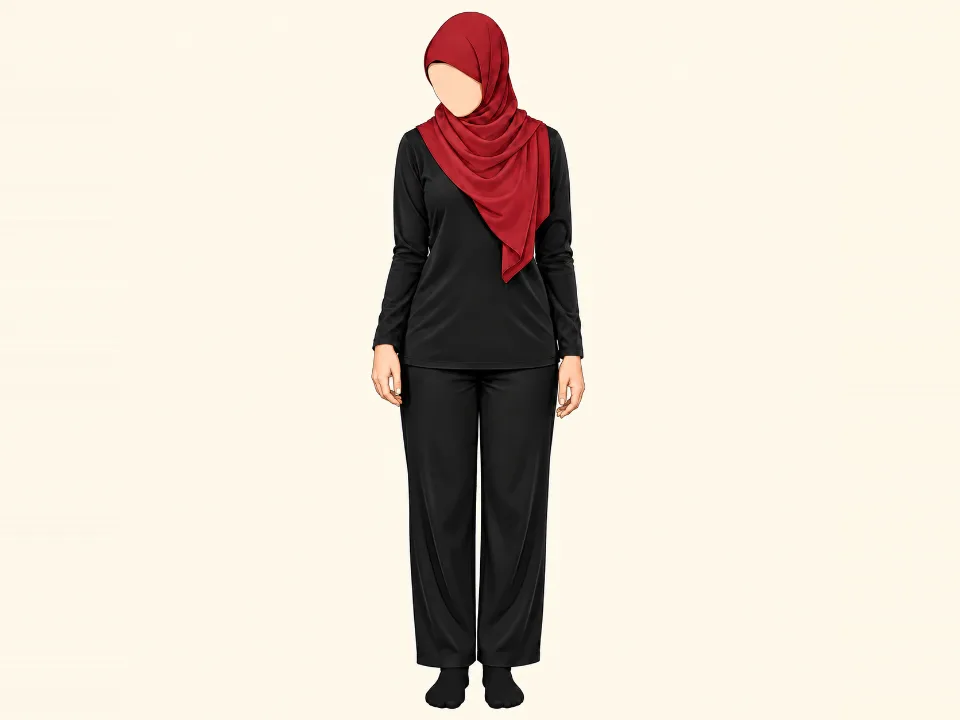
Keep the nerve sliding past the outer elbow and forearm.

Open the space at the first rib and calm the neck muscles.
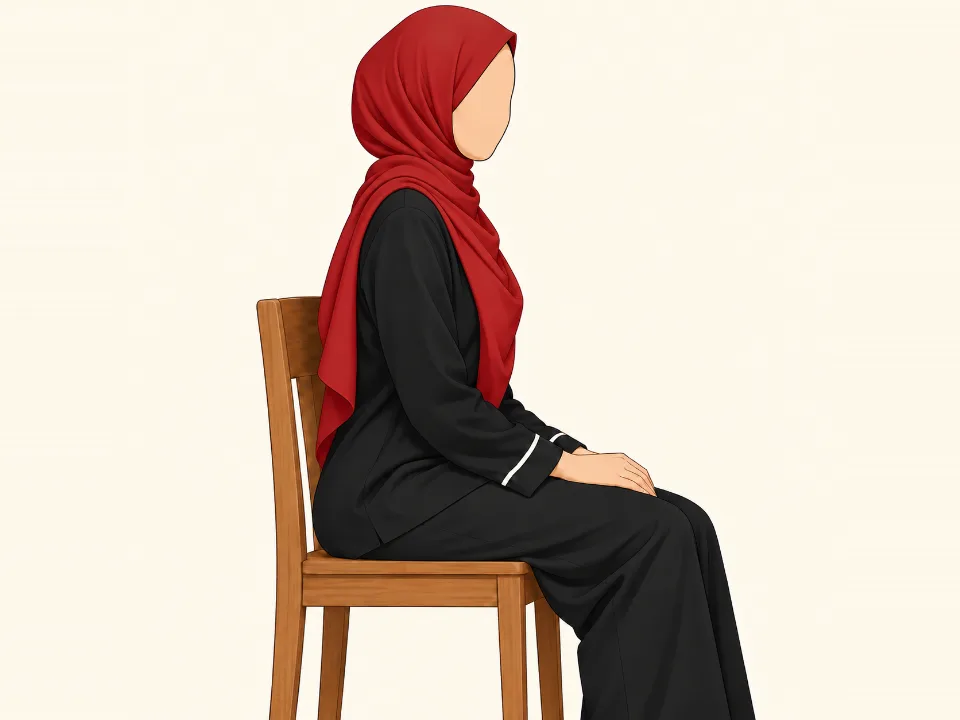
Stack the head over the shoulders and set the shoulder blades.

Ease the tight chest muscles that pull the shoulder forward.
Mild stretch is fine. Stop and ask for advice if tingling builds, spreads down the arm or lingers after you finish, or if your hand feels weaker.
Day to day
Small changes take the pressure off a nerve while it recovers.
A folded towel wrapped round the elbow, held with a soft bandage, stops it bending as you sleep and eases the ulnar nerve.
A neutral wrist splint at night stops the wrist curling and often settles carpal tunnel symptoms.
Use speaker, headphones or voice, or swap hands often, instead of holding a phone to your ear with a bent elbow.
Carry bags in your hand or across your body, not on a strap over the shoulder, and carry children on your forearm without sitting them on a bent elbow.
Rest your forearms on the desk, keep the elbows open, and put the screen at eye level so your neck stays upright.
Every 30 minutes, straighten your elbows, roll your shoulders back and take a few slow breaths.
Pain relief is a matter for your doctor or pharmacist. Tell them, and us, if tingling or weakness is stopping you working, sleeping or looking after your family.
Step by step
Which fingers, when it comes on, what eases it, any injury, pregnancy, diabetes or neck pain, your sleep, phone and desk habits, and what you want to get back to.
Your neck, first rib and shoulder blade, then each nerve down the arm for feeling and strength, gently, and the elbow, forearm and wrist. Nothing is forced.
Which nerve and where it is likely pinched, what is not, and whether you need a doctor, a blood test or a nerve study first.
The positions to change, a pad or splint where it helps, your first sliders and posture exercises with how much and how often.
Care designed for women
Munaza Physio Studio is a women-only physiotherapy practice. Your neck, shoulder and arm are assessed one-to-one by a female physiotherapist in a private room, so you can show how you carry, feed, hold a phone and sleep without hesitation, at home or at work.
Women-only environment with a female physiotherapist
A private room for assessment and treatment
One-to-one sessions, never a shared slot, never rushed
Housework, childcare and pregnancy changes understood
Home visits across Lahore when travelling is hard

Real Stories
My mother had a stroke that left her right arm and leg immobile. With Dr. Munaza’s expert physiotherapy, she regained full movement completely painfree and without any medication. We’re truly grateful for her care and professionalism.
I took home sessions for my neck, shoulder, back, and hip pain. Alhamdulillah, all my pain is gone like a magic. Even my headache, which I had for many years, got better with the exercises. Thank you so much Dr Munaza for your kind treatment and care. May Allah bless you.
“Dr. Munaza treated my neck and shoulder pain, as well as my muscle pull issue, very effectively. With the help of exercises and therapy, I feel much better now. She is very kind, caring, and cooperative. Highly recommended!”
I had neck pain with headaches for a long time. After treatment with Dr. Munaza, my pain got much better and the headaches eased. She listened carefully, treated me gently, and explained everything clearly. I feel relaxed and thankful for her care Best physiotherpist in the area👍🏻
Dr. Munaza is very kind and professional. My shoulder pain improved within a few sessions. Highly recommended!!!!
Simple pricing
Transparent pricing, with a personalised assessment at the start of every plan.
Clinic sessions start from PKR 1,500.
Home visit pricing depends on your location and condition, contact us for a quote.
Book AssessmentYour nerves can recover
A pinched nerve is a cable in a tight place, not a damaged arm. Give it room, keep it gliding, and strengthen what carries it, and the tingling eases, the grip returns, and carrying, sleeping and working become comfortable again.
Questions
It is a nerve being squeezed, stretched or irritated on its way from the neck to the hand, causing tingling, numbness, burning, aching or weakness. The common places are the neck and first rib, behind the inner bump of the elbow (the cubital tunnel), just below the outer elbow (the radial tunnel), and at the wrist (the carpal tunnel). A careful examination finds where.
It points to the nerve. Thumb, index, middle and half of the ring finger suggests the median nerve (carpal tunnel at the wrist, or higher). The little finger and the other half of the ring finger suggests the ulnar nerve (the elbow or the wrist). The back of the hand and thumb suggests the radial nerve. Numbness in the whole hand, or with neck pain, may start in the neck.
It can be any, and sometimes more than one. Neck problems usually bring neck pain and symptoms that change with neck movement; elbow problems (ulnar nerve) come on when the elbow is bent for long; wrist problems (carpal tunnel) wake you at night. An examination checks all three, so you are not treated for the wrong place.
Holding the phone to your ear bends your elbow, which stretches and presses the ulnar nerve behind the inner bump and makes the little and ring fingers tingle. Sleeping with the elbows bent or the wrists curled does the same at the elbow and wrist. A towel wrapped round the elbow at night, or a night splint for the wrist, often helps.
It is the nerves (and sometimes the blood vessels) of the arm being squeezed in the gap between the neck muscles and the first rib. It brings an arm that tingles, aches or feels heavy, especially with the arms overhead, carrying a heavy bag or after long sitting in a slumped posture. Most cases involve the nerves and settle with posture, breathing and strengthening work. Arm swelling or colour change needs a doctor urgently.
Yes. A nerve root in the neck can be irritated, causing pain that spreads into the shoulder, arm or hand, tingling in a pattern, and sometimes weakness. Resting the hand on top of the head often eases it. Most cases improve over weeks to months with the right exercises and advice, without surgery. Increasing weakness, or symptoms in both arms and legs, needs a doctor.
Gentle sliders, which move the nerve through its tunnel without stretching it, are widely used and often feel helpful, and the research so far is positive but of modest quality. Aggressive stretches that force tingling can make a nerve more irritable, so the dose is gentle and stops before symptoms build. They work best alongside posture changes and strengthening.
Not at the start. The diagnosis is made from your story and an examination. Nerve conduction studies or ultrasound are considered when the diagnosis is uncertain, symptoms are severe or progressive, there is weakness or wasting, or surgery is being discussed. An MRI of the neck is considered for suspected root compression with significant weakness or when there is no improvement.
Most people improve without it. Surgery to free a nerve is considered when numbness is constant, there is muscle weakness or wasting, a nerve study shows significant damage, or a good trial of treatment has not helped. After any surgery your surgeon's protocol overrides general advice.
There is no single timetable. Mild, intermittent symptoms often ease within weeks of changing the provoking positions, night splinting or padding and gentle glides; a first programme usually runs 6 to 12 weeks. Longer-standing numbness and weakness take longer, and a nerve recovers slowly, so review at six weeks rather than waiting.
Sometimes. Diabetes, thyroid disease, low vitamin B12 and some medicines can irritate nerves and often cause tingling in both hands or feet. Symptoms on both sides, or in the legs as well, suggest checking with a doctor and a blood test, alongside any physiotherapy.
Yes. Fluid shifts in pregnancy commonly cause carpal tunnel symptoms, usually at night and in the third trimester, and they often settle after the birth. A neutral wrist splint at night, positioning and glides help. Tell us you are pregnant so the plan is safe for you.
Yes. Munaza Physio Studio in Allama Iqbal Town, Lahore, is a women-only practice. Your assessment and treatment are one-to-one with a female physiotherapist in a private room, at the studio or at home across Lahore.
Safety first
Your next step
Tell us which fingers tingle, when it is worst, and what it is stopping you doing. We will tell you honestly how physiotherapy can help. Women-only · One-to-one · At the studio or at home in Lahore.
 5.0