
It will not fully straighten
The last few degrees will not go, so your arm hangs slightly bent, or it hurts when you push it straight.
Straighten
Elbow Joint · Stiffness · Rehabilitation · Lahore
An elbow that will not fully bend or straighten, aches at the end of its range, clicks or catches, or has lost movement after a fracture or dislocation. It responds to the right movement, not force. Private physiotherapy with a female physiotherapist in Lahore, at the studio or at home.
The short answer
They are problems of the elbow joint itself: a stiff elbow that will not fully bend or straighten, arthritis, a swollen bursa over the point of the elbow, bony spurs or loose bodies that make it click or catch, and the movement lost after a fracture or dislocation. The elbow is three joints sharing one capsule (the hinge that bends it, the joint beside it that carries the forearm, and the joint that turns the forearm), which is why a small loss of movement is so easy to notice.
Physiotherapy finds which of these it is, rules out a fracture, a nerve problem or an infection that needs a doctor first, and then wins back the useful arc of movement with gentle, frequent exercise, never force, before rebuilding strength and control for lifting, carrying and using your hands. After a fracture, dislocation or surgery, your surgeon’s protocol decides when and how far, and the plan follows it.
At a glance
The elbow needs less movement than most people think, but the middle of its range matters for everything from eating to dressing.
Most daily tasks use this range, not the full movement.
About this much palm-up and palm-down is enough for daily use.
The hinge, the forearm bone beside it, and the joint that turns the forearm.
Started as soon as your surgeon or doctor allows, it is the best protection against stiffness.
What you may notice
The last few degrees will not go, so your arm hangs slightly bent, or it hurts when you push it straight.
StraightenWashing your face, reaching your hair, eating or reaching a shelf has become awkward or tiring.
ReachTurning a key, opening a door handle or showing your palm is stiff or sore.
TurnIt catches near the end of the bend and gives way after a jiggle. Locking needs assessment.
CatchA soft swelling over the point of the elbow, often painless, appears after leaning on it.
SwellMovement has not come back since a fracture, dislocation, sprain or time in a sling.
AfterSCROLL FOR THE ASSESSMENT TO FIND YOUR ROOT CAUSE
Five presentations, five clues
These clues help your physiotherapist narrow it down; they are not a way to diagnose yourself.
After a dislocation or a fall, a joint that feels unstable, or any deformity, needs a doctor first.
Where it can come from
Pick a step to see where it sits in the elbow. Watch the forearm bend through the useful arc, then see what a stiff elbow, a spur or a swollen bursa changes. These describe terms you may hear; they are not a checklist for diagnosing yourself.
Most daily tasks use about 30 to 130 degrees of bend and about 50 degrees of forearm turn each way. Watch the forearm travel through it. Losing the middle of the arc is what changes everyday life.
After an injury, a cast or inflammation the capsule tightens and the elbow stops short at both ends, usually losing the last degrees of straightening first. Gentle, frequent movement wins it back; forcing it does not.
Wear can grow bony spurs at the olecranon, coronoid and fossa rim, and a loose piece of bone or cartilage can wedge in the joint, so the elbow catches or locks near the end of the bend.
A thin cushion sits over the point of the elbow. Leaning on it or a knock can swell it into a soft, often painless lump. A hot, red, painful swelling with fever needs a doctor the same day.
The outer and inner ligaments hold the joint together. After a dislocation or sprain they set how safe movement is, so the surgeon's or doctor's protocol decides how far and how soon the elbow moves.
A teaching drawing of a woman’s right elbow from the outer side, not your elbow. Where it hurts is a clue, not a diagnosis, which is why an assessment matters.
Inside the elbow
The 3D model of a woman’s elbow follows each point as you read: the places a joint problem can come from lighting in turn, a stiff arc widening, the biceps and triceps working through a controlled bend, and the whole arc with the forearm turning.
The capsule, a spur or loose body, the bursa or a ligament is narrowed down, and a fracture, a nerve problem or an infection is ruled out.
Gentle movement, little and often, with gravity or your other hand helping only to mild tension, widens the arc a few degrees at a time.
Slow biceps, triceps and forearm work holds the new range, so movement feels safe for lifting and carrying.
The full useful arc and forearm turning come back for eating, dressing, cooking and work, with a plan to keep them.
How it is assessed
A stiff or sore elbow is diagnosed from your story and a careful examination. An X-ray or scan is used when it will change the plan. This is what a physiotherapist checks.
An X-ray is usually done after a fall or injury. A scan is considered for locking, a suspected loose body, arthritis, or when progress is not as expected.
Joint, tendon or nerve?
They can feel alike. Where it hurts, what limits it and what makes it worse usually tell them apart.
They often travel together. The tennis and golfer’s elbow guide covers the tendon side.
Forcing it, resting it, scanning it
A few common beliefs about a stiff elbow make it last longer. These are the ones we hear most.
None of this means your elbow is not really stiff. It means the dose and the pace matter more than the effort.
Recovery in phases
The phases overlap and are adapted to you; they are not a fixed timetable. After surgery or a fracture, your surgeon’s protocol sets the start.
Follow the protocol, keep the shoulder, wrist and hand moving, and begin gentle bending and straightening as allowed.
Little-and-often movement, forearm turning and gentle prolonged straightening, widening the arc a few degrees at a time.
Controlled strengthening, then lifting, carrying and the tasks you most need, with a plan to keep the movement.
A stiff elbow after a fracture or dislocation can take months. Review at six weeks, and do not stay on an unchanged plan if progress has stopped.
Stiff elbow exercises at home
Gentle, early-phase moves for regaining the elbow’s arc. Use only the exercises agreed with your physiotherapist, and your surgeon’s protocol after a fracture or surgery. Mild tension is fine; sharp pain is not.
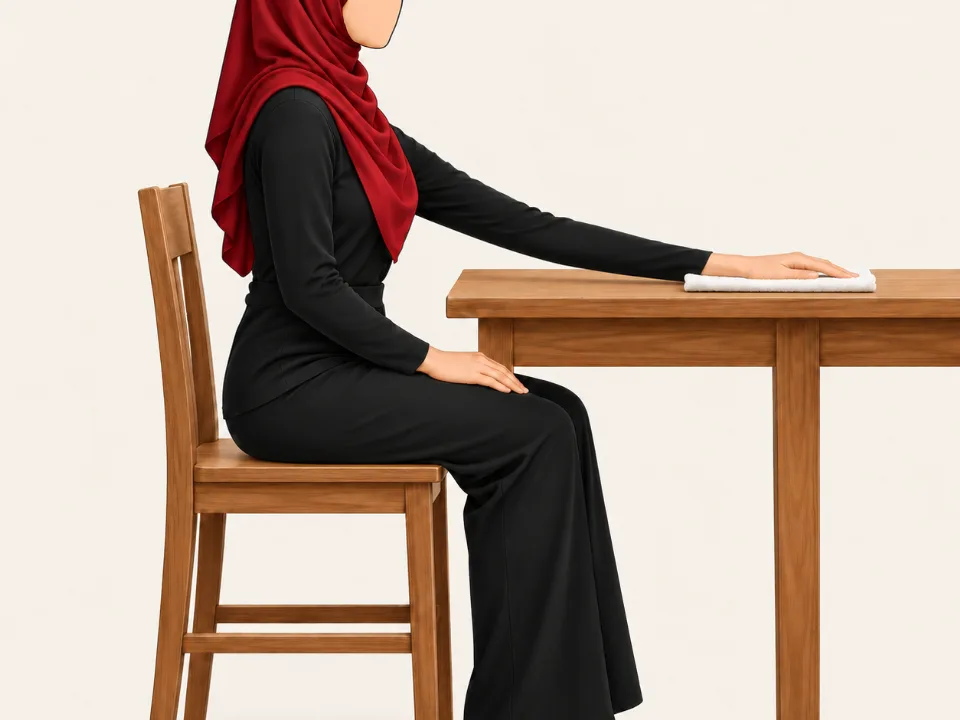
Win back bending and straightening with the table taking the weight.
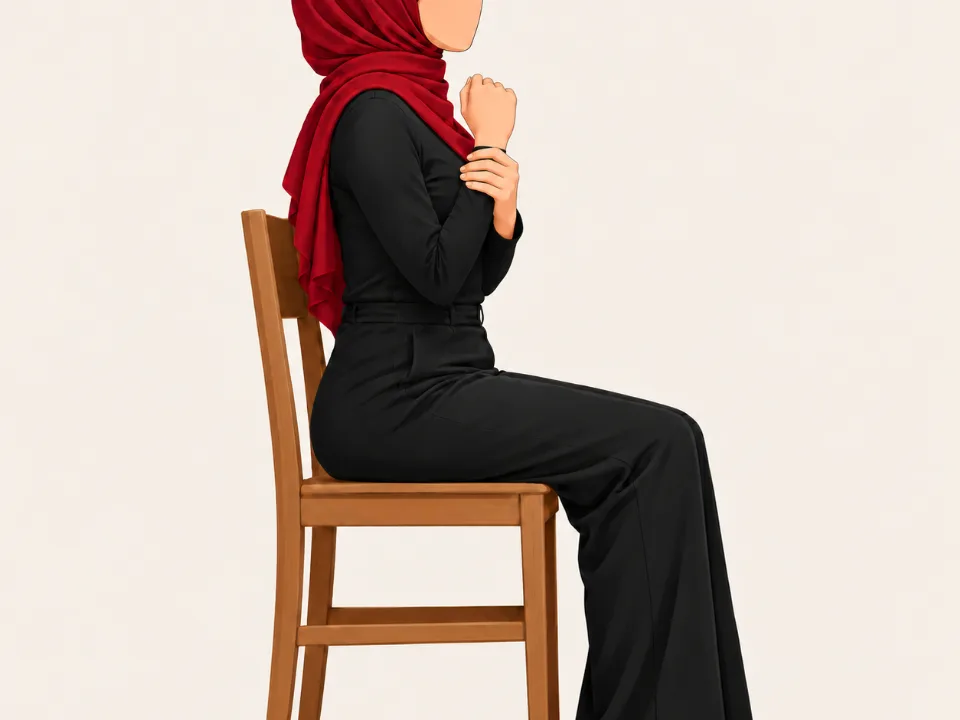
Gain a little more bend, helped by your other hand.
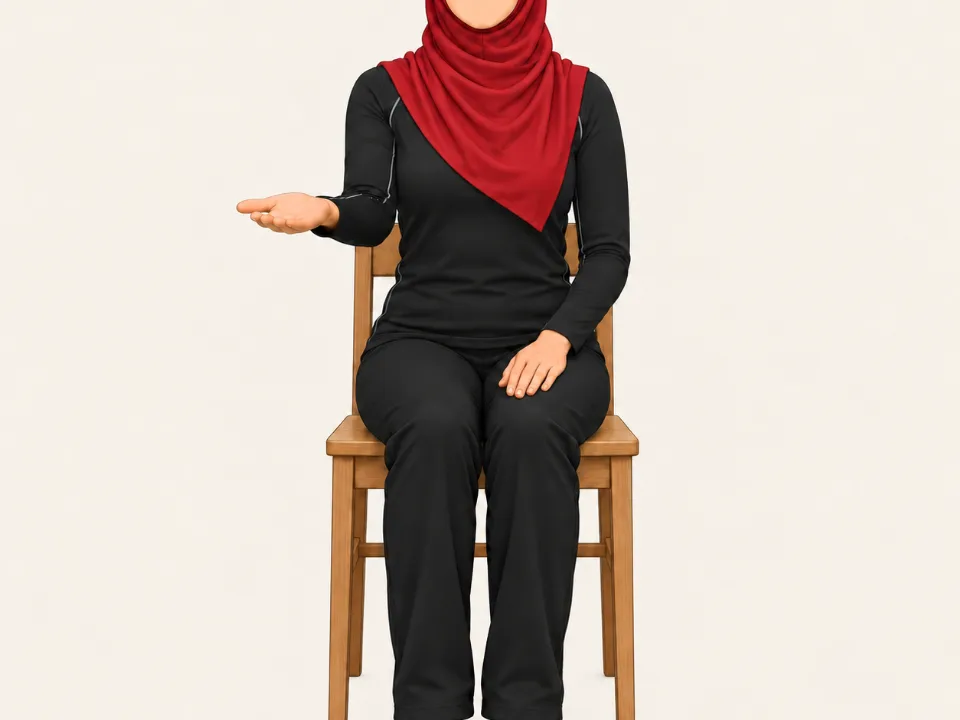
Restore turning the palm up and down.
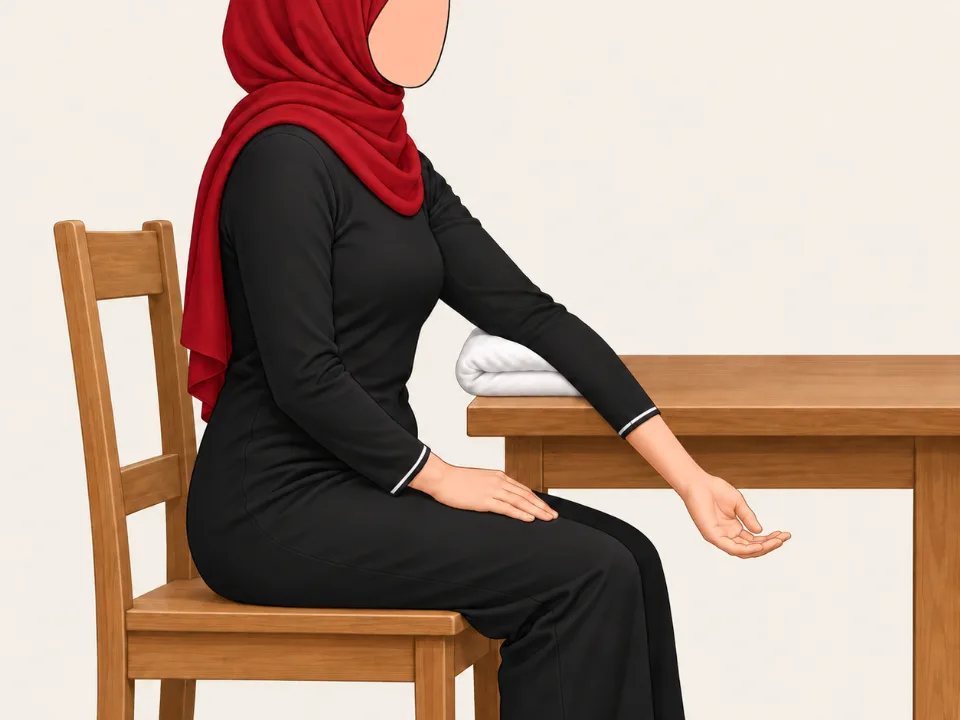
Let your relaxed arm weight ease the last degrees of straightening.
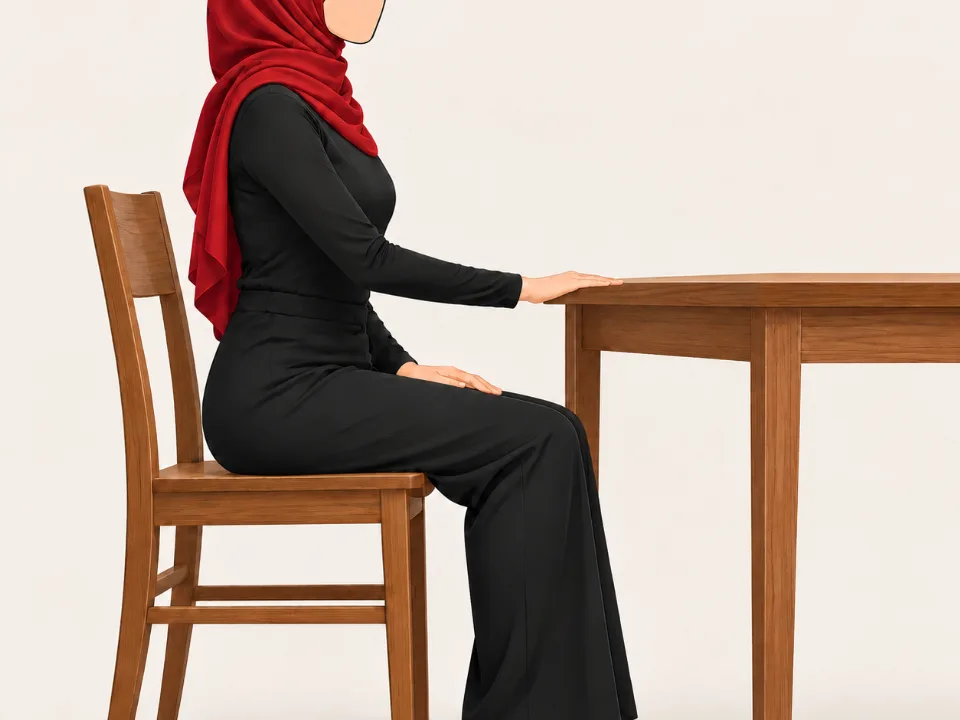
Wake up the biceps and triceps without moving the joint.
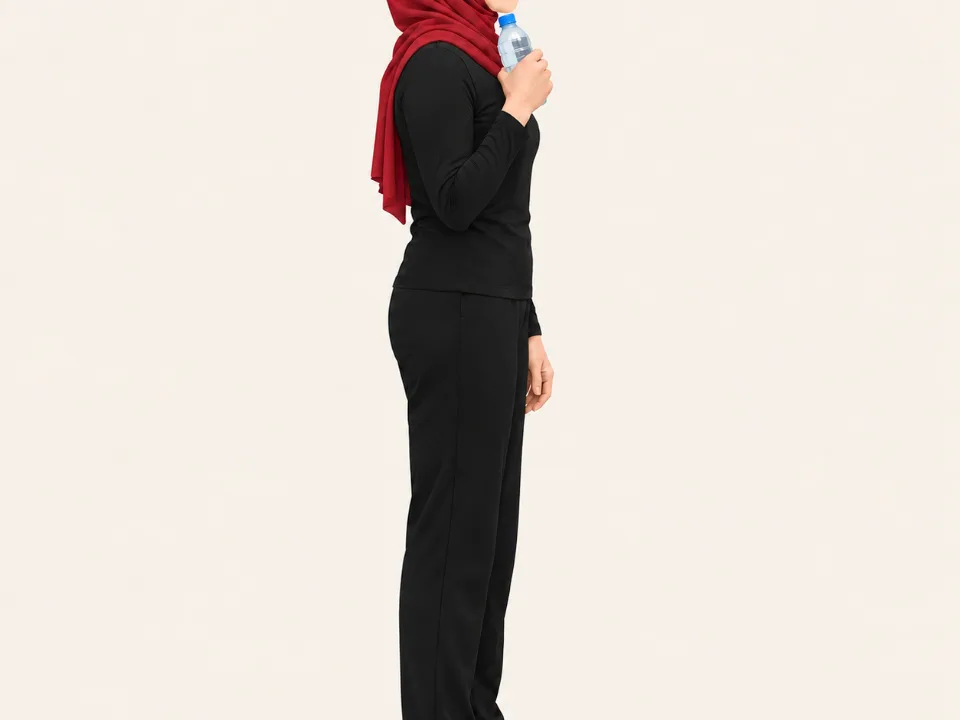
Rebuild bending strength once the arc is moving.
Aim for a gentle stretch you can relax into, never a pinch or a sharp pain. Stop and ask for advice if it is sharp, the elbow swells, or your hand tingles or feels weak.
Day to day
Small changes let the elbow keep moving while it recovers.
Five short sessions of gentle movement beat one long, hard one. Set a reminder for after meals and drinks.
A warm cloth for ten minutes can loosen a stiff elbow before you move it; a cool pack afterwards eases an ache. Always wrap it in a towel.
Eating, brushing your hair, washing your face and cooking are exercise too. Use the sore arm, within comfort, rather than doing everything with the other.
Move your shoulder, wrist and fingers through their full range several times a day, so the rest of the arm does not stiffen.
If a bursa is swollen, avoid leaning on the point of the elbow: put a folded towel or a soft pad under it.
Hold bags, pans and children close to your body, and use both hands, until the elbow is strong.
Pain relief is a matter for your doctor or pharmacist. Tell them, and us, if pain is stopping you working, sleeping or looking after your family.
Step by step
How it started, any fall, fracture, surgery or dislocation, which movements are lost, your work and home tasks, and what you want to get back to.
The arc of bend and turn in degrees, where it stops, the nerves, and the shoulder and wrist. Nothing is forced.
What is likely going on, what is not, and whether you need a doctor, an X-ray or a surgeon’s protocol first.
Your first exercises with how much, how often and how to progress, and the changes to daily tasks that help most.
Care designed for women
Munaza Physio Studio is a women-only physiotherapy practice. Your elbow is assessed one-to-one by a female physiotherapist in a private room, so you can show how you eat, dress, cook and lift without hesitation, at home or at work.
Women-only environment with a female physiotherapist
A private room for assessment and treatment
One-to-one sessions, never a shared slot, never rushed
Housework, childcare and desk work understood
Home visits across Lahore when travelling is hard

Real Stories
My mother had a stroke that left her right arm and leg immobile. With Dr. Munaza’s expert physiotherapy, she regained full movement completely painfree and without any medication. We’re truly grateful for her care and professionalism.
I took home sessions for my neck, shoulder, back, and hip pain. Alhamdulillah, all my pain is gone like a magic. Even my headache, which I had for many years, got better with the exercises. Thank you so much Dr Munaza for your kind treatment and care. May Allah bless you.
“Dr. Munaza treated my neck and shoulder pain, as well as my muscle pull issue, very effectively. With the help of exercises and therapy, I feel much better now. She is very kind, caring, and cooperative. Highly recommended!”
I had neck pain with headaches for a long time. After treatment with Dr. Munaza, my pain got much better and the headaches eased. She listened carefully, treated me gently, and explained everything clearly. I feel relaxed and thankful for her care Best physiotherpist in the area👍🏻
Dr. Munaza is very kind and professional. My shoulder pain improved within a few sessions. Highly recommended!!!!
Simple pricing
Transparent pricing, with a personalised assessment at the start of every plan.
Clinic sessions start from PKR 1,500.
Home visit pricing depends on your location and condition, contact us for a quote.
Book AssessmentYour elbow can move again
A stiff elbow has lost length in the tissues around it, not strength of will. Given gentle movement, little and often, the arc widens a few degrees at a time, and eating, dressing and lifting become easy again.
Questions
They are problems of the joint itself rather than the tendons around it: a stiff elbow that will not fully bend or straighten, arthritis, a swollen bursa over the point of the elbow, loose bodies that make it click or catch, and the movement and strength lost after a fracture or dislocation. They overlap, so an assessment matters more than the label.
The commonest reason is a tight capsule and shortened muscles after the elbow has been injured, immobilised or inflamed: the front of the joint loses length, so the last few degrees of straightening go first. Bony spurs or a loose body can also block it. A graded programme of gentle, frequent movement usually helps; forcing it can make it worse.
Most everyday tasks use an arc from about 30 degrees of bend to about 130 degrees, plus about 50 degrees of forearm turning each way (palm up and palm down). That is enough to eat, wash your face, reach your hair and use a phone. Losing a few degrees at the ends is common and often tolerable; losing the middle of the arc is what changes daily life.
There is no single timetable, and it depends on the bone, any surgery, and how early movement was allowed. Many people regain a useful arc over weeks to a few months with the right exercises; some stiffness can last longer. Follow your surgeon's protocol for when to start and how far to go: it overrides any general advice.
No. Pushing hard against a stiff elbow, or having it forced by someone else, can irritate the joint and leave it stiffer. Little-and-often gentle movement, with gravity or the other hand helping only to the point of mild tension, works better. Pain that lingers after a session means the dose was too high.
Clicking alone is common and usually harmless. Catching or locking that stops the elbow bending or straightening for a moment can mean a loose piece of bone or cartilage, a bony spur or an irritated fold of tissue in the joint. A locked elbow, or clicking with pain and swelling, needs assessment, and sometimes a scan.
Wear-and-tear arthritis of the elbow is less common than in the hip or knee and is seen more in people who have done heavy manual work. In women, inflammatory arthritis such as rheumatoid arthritis is a possible cause and should be considered. Exercise, education and pacing are the first steps; a doctor can advise on medicines, injections or surgery if function stays poor.
It is usually olecranon bursitis: a bursa (a thin fluid-filled cushion) over the point of the elbow that has swollen from leaning on it, a knock or irritation. It is often painless and settles when pressure is avoided. A hot, red, painful swelling, especially with a fever, may be infected and needs a doctor the same day.
Most simple dislocations are put back and then moved early, within days to a couple of weeks, to stop the elbow stiffening, but the safe range and timing depend on whether the ligaments or bones were damaged. Follow the instructions you were given. A new dislocation, or an elbow that feels as if it slips, is an emergency.
After a fall or injury, an X-ray is usually done to look for a fracture. For a stiff, sore elbow without injury, assessment comes first and a scan is considered when there is locking, a suspected loose body, signs of arthritis, or progress is not as expected. Scans often show wear that causes no symptoms, so they are used when the result would change the plan.
For most people movement and strength come back with exercise. If a stiff elbow has not improved after months of well-delivered rehabilitation, or a loose body keeps locking it, a surgeon may discuss arthroscopic or open release or removal. A steroid injection can ease an arthritic joint for a time, but the evidence for lasting benefit is limited. These are decisions for you and your doctor.
Joint problems limit bending, straightening or turning and hurt at the ends of the arc. Tendon problems (tennis and golfer's elbow) hurt on the bony bumps with gripping and lifting and keep full movement. Nerve problems cause tingling, numbness or weakness in the hand. They can coexist, and an examination separates them.
Yes. Munaza Physio Studio in Allama Iqbal Town, Lahore, is a women-only practice. Your assessment and treatment are one-to-one with a female physiotherapist in a private room, at the studio or at home across Lahore.
Safety first
Your next step
Tell us what your elbow will not do, how long it has been like that, and any fracture, dislocation or surgery. We will tell you honestly how physiotherapy can help. Women-only · One-to-one · At the studio or at home in Lahore.
 5.0