
Fingers numb or tingling at night
The thumb, index and middle fingers go to sleep, wake you, and ease when you shake your hand.
Night
Wrist & Hand · Carpal Tunnel · Physiotherapy · Lahore
Tingling that wakes you at night, pain at the thumb side of your wrist when you lift, a finger that locks, an aching thumb when you open a jar. It can be a nerve, a tendon or a joint, and they overlap. Private physiotherapy with a female physiotherapist in Lahore, at the studio or at home.
The short answer
They are problems of the nerves, tendons and joints that make a hand work: carpal tunnel syndrome (the median nerve squeezed at the wrist), De Quervain’s tenosynovitis (the two thumb tendons irritated at the wrist), trigger finger or thumb (a finger tendon catching at its pulley), arthritis at the base of the thumb, sprains, and a weak or clumsy grip. They are especially common in women in midlife and after having a baby, and they often overlap, so a careful assessment matters more than the label.
Physiotherapy finds which structures are involved, rules out the neck, a fracture, an infection or an inflammatory cause that needs a doctor first, and then eases the strain with the right splint at the right time, tendon and nerve glides, and changes to the tasks that irritate it, before rebuilding strength and dexterity for gripping, pinching and carrying. Most people improve without surgery, and a doctor can advise on an injection or an operation if they do not.
At a glance
The hand does an enormous amount of work through very small spaces, which is why a small change in one can be felt so clearly.
Eight wrist bones, five in the palm and fourteen in the fingers and thumb.
Nine finger-bending tendons and one nerve, the median nerve, share a narrow tunnel.
Carpal tunnel, trigger finger and De Quervain’s are most common in midlife, and more common in women.
A typical plan of a splint, glides and task changes before deciding on an injection or surgery.
What you may notice
The thumb, index and middle fingers go to sleep, wake you, and ease when you shake your hand.
NightCups slip, buttons and zips are fiddly, and the grip feels weak or clumsy.
DropLifting a baby, a pan or a kettle, or turning the wrist, hurts at the base of the thumb side.
ThumbIt catches bent in the morning and clicks free as you straighten it.
CatchOpening jars, turning keys, pinching or using your phone brings on a deep ache.
AchePain, swelling or weakness since falling on your hand needs checking for a break.
FallSCROLL FOR THE ASSESSMENT TO FIND YOUR ROOT CAUSE
Five presentations, five clues
These clues help your physiotherapist narrow it down; they are not a way to diagnose yourself.
After a fall, a hot red swollen finger, or sudden loss of movement, see a doctor first.
Where it can come from
Pick a step to see where it sits in the wrist and hand. Watch the nerve squeezed in the carpal tunnel and a finger tendon catch. These describe terms you may hear; they are not a checklist for diagnosing yourself.
Nine finger-bending tendons and the median nerve share a narrow tunnel under a tough ligament at the wrist. When it is crowded the nerve is squeezed, causing numbness in the thumb, index, middle and half the ring finger, worse at night and with a bent wrist.
Two thumb tendons slide through a tight sheath at the bony point on the thumb side of the wrist. Lifting, gripping and twisting can thicken the sheath and make it hurt (De Quervain's), common in new mothers and in midlife.
A small nodule on a finger's bending tendon snags at the pulley at the base of the finger, so it clicks, catches or locks bent, often worse in the morning. Watch the middle finger catch, then snap through.
Wear of the joint at the base of the thumb brings an ache with pinching, opening jars and turning keys, often with a bony bump. It is more common in women after 50, and exercise, supports and joint protection help.
A strong grip needs the nerve, the tendons and the joints working together, and the neck, shoulder and elbow behind them. The plan rebuilds the whole chain, not just the sore spot.
A teaching drawing of a woman’s right hand from the palm side, not your hand. Where it hurts is a clue, not a diagnosis, which is why an assessment matters.
Inside the wrist and hand
The 3D model of a woman’s wrist and hand follows each point as you read: the nerve, the thumb-side tendons, a catching finger and the thumb’s saddle joint lighting in turn, the hand moving gently, the nerve and tendons gliding, and a full grip and pinch.
The nerve, a tendon, a joint or the neck is narrowed down, and a fracture, infection or inflammatory cause is ruled out.
The right splint at the right time, a neutral wrist at night, and changes to the tasks that irritate it let the tissue settle.
Tendon and nerve glides keep the structures sliding freely through their tight spaces, a little and often.
Gradual grip, pinch and thumb work returns strength and dexterity for lifting, cooking, writing and carrying.
How it is assessed
Hand and wrist problems are diagnosed from your story and a careful examination. A scan or nerve test is used when it will change the plan. This is what a physiotherapist checks.
Nerve conduction tests or ultrasound are considered when the diagnosis is unclear, symptoms are severe, or surgery is being discussed.
Numb hand: wrist or neck?
Numbness is not always carpal tunnel. Where it sits, and what brings it on, usually tells them apart.
They can coexist. The nerve entrapment guide covers the elbow and neck side.
Splints, cracking and injections
A few common beliefs about hand problems make them last longer. These are the ones we hear most.
None of this means your symptoms are not real. It means the right splint, glides and load matter more than rest.
Recovery in phases
The phases overlap and are adapted to you; they are not a fixed timetable.
A neutral night splint or thumb support as needed, task changes, and gentle tendon glides to keep things sliding.
Nerve glides, thumb and wrist movement, and gradual grip and pinch work, building up steadily.
Heavier, more task-like grip and carrying for cooking, work, childcare and sport, with a plan to keep it.
Longer-standing numbness, arthritis or a stubborn trigger finger can take longer. If numbness is constant or the thumb is weakening, see a doctor.
Wrist and hand exercises at home
Gentle, early-phase moves for the hand and wrist. Use only the exercises agreed with your physiotherapist, and your surgeon’s protocol after a fracture or operation. Mild stretch is fine; pain, pins and needles or a locking finger are not.

Keep the finger tendons sliding freely through the tunnel.

Help the nerve slide through the tunnel without stretching it.

Keep the thumb’s saddle joint moving and your pinch accurate.
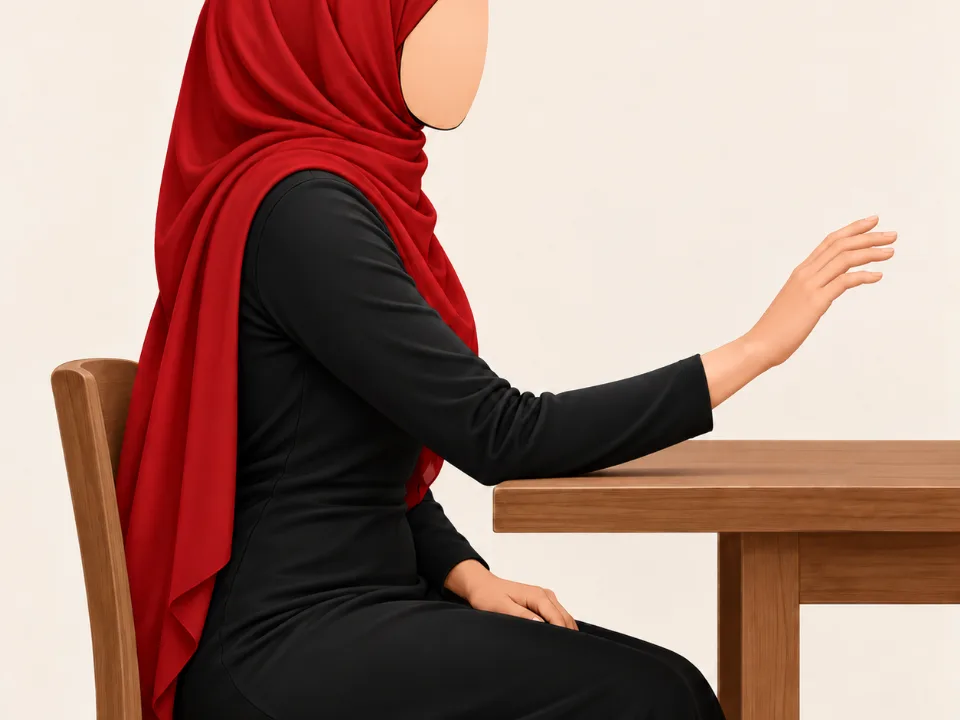
Restore easy bending of the wrist.

Rebuild grip strength with a soft, forgiving resistance.

Rebuild pinch strength for the thumb and fingers.
Mild stretch is fine. Stop and ask for advice if you get pins and needles, a locking finger, increasing pain, or your hand feels weak.
Day to day
Small changes let the hand settle while it rebuilds.
A night splint that holds the wrist neutral is the most useful first step for carpal tunnel, and stops you curling it as you sleep.
Use both hands and your forearms. Hold a baby, a pan or a tray with the weight on your forearm, not pinched in your fingers.
Thicker handles on knives, pens and tools need less grip, and a jar opener saves the twist and pinch.
Rolling roti, chopping, wringing and stitching are easier in shorter spells, with a break to shake out and stretch the hand.
Use both thumbs or voice typing, rest the phone on a stand, and keep the wrist level at the keyboard and mouse.
Warm water or a warm wrapped pack can ease a stiff hand before exercises; cold for a hot, swollen flare.
Pain relief is a matter for your doctor or pharmacist. Tell them, and us, if pain or numbness is stopping you working, sleeping or looking after your family.
Step by step
How it began, where it tingles or aches, any fall or injury, pregnancy or a new baby, your work, cooking and sewing, and what you want to get back to.
Your neck, wrist, thumb and fingers, the nerves and tendons, and your grip and pinch. Nothing is forced.
What is likely going on, what is not, and whether you need a doctor, an X-ray or a nerve test first.
The right splint and when to wear it, your first glides and exercises with how much and how often, and the task changes that help most.
Care designed for women
Munaza Physio Studio is a women-only physiotherapy practice. Your hands are assessed one-to-one by a female physiotherapist in a private room, so you can show how you cook, sew, hold your baby and use your phone without hesitation, at home or at work.
Women-only environment with a female physiotherapist
A private room for assessment and treatment
One-to-one sessions, never a shared slot, never rushed
Housework, childcare and pregnancy changes understood
Home visits across Lahore when travelling is hard

Real Stories
My mother had a stroke that left her right arm and leg immobile. With Dr. Munaza’s expert physiotherapy, she regained full movement completely painfree and without any medication. We’re truly grateful for her care and professionalism.
I took home sessions for my neck, shoulder, back, and hip pain. Alhamdulillah, all my pain is gone like a magic. Even my headache, which I had for many years, got better with the exercises. Thank you so much Dr Munaza for your kind treatment and care. May Allah bless you.
“Dr. Munaza treated my neck and shoulder pain, as well as my muscle pull issue, very effectively. With the help of exercises and therapy, I feel much better now. She is very kind, caring, and cooperative. Highly recommended!”
I had neck pain with headaches for a long time. After treatment with Dr. Munaza, my pain got much better and the headaches eased. She listened carefully, treated me gently, and explained everything clearly. I feel relaxed and thankful for her care Best physiotherpist in the area👍🏻
Dr. Munaza is very kind and professional. My shoulder pain improved within a few sessions. Highly recommended!!!!
Simple pricing
Transparent pricing, with a personalised assessment at the start of every plan.
Clinic sessions start from PKR 1,500.
Home visit pricing depends on your location and condition, contact us for a quote.
Book AssessmentYour hands can recover
A sore hand is a crowded tunnel or a tendon that has fallen behind the work it does. Given the right support, gentle gliding and a little more strength each week, the tunnel eases, the grip returns, and cooking, holding your baby and writing become easy again.
Questions
They are problems of the nerves, tendons and joints of the wrist and hand: carpal tunnel syndrome, De Quervain's tenosynovitis at the thumb side of the wrist, trigger finger or thumb, arthritis at the base of the thumb, sprains, and a weak grip. They overlap and can look alike, so an assessment matters more than the label.
Numbness or tingling in the thumb, index, middle and half of the ring finger, often waking you at night, is typical of carpal tunnel syndrome, where the median nerve is squeezed under a ligament at the wrist. Wrists curl while we sleep, which narrows the tunnel. Shaking the hand often eases it. It is more common in women, in pregnancy and around the menopause.
No. Numbness can also come from the neck, the elbow (the ulnar nerve, which supplies the little finger and half of the ring finger) or other conditions such as diabetes or thyroid disease. Carpal tunnel spares the little finger. Neck movement that brings it on, or numbness in the whole hand, points elsewhere, and an examination separates them.
The evidence is weaker than most people expect. Work with a lot of forceful, repetitive or vibrating hand use is linked with it, but ordinary keyboard and phone use has not been shown to be a clear cause. Pregnancy, diabetes, thyroid disease, inflammatory arthritis and family tendency matter more. Changing how you work still helps the symptoms.
For carpal tunnel syndrome, a night splint that holds the wrist straight (neutral) is the most useful first step and is supported by research. Wearing it all day is rarely needed. For De Quervain's a thumb splint that rests the thumb side of the wrist helps, and for thumb-base arthritis a thumb support helps with heavy tasks. Splints work best alongside exercises.
Two thumb tendons pass through a tight tunnel on the thumb side of the wrist. Repeated lifting, gripping and twisting, such as lifting a baby, can irritate them, which is called De Quervain's tenosynovitis. It is common in new mothers and in midlife, and responds well to resting the thumb in a splint, changing how you lift and gradual strengthening.
In trigger finger, a small nodule forms on a finger's bending tendon and catches at the pulley at the base of the finger, so the finger clicks, catches or locks bent, often worse in the morning. It is common in women in midlife and in people with diabetes. Splinting, gentle stretching and a graded plan help many people; an injection or a small release is used if it persists.
Wear of the saddle joint at the base of the thumb causes an ache with pinching, gripping, opening jars and turning keys, and a bony enlargement at the base. It is more common in women after the age of 50. Education, a thumb support for heavy tasks, hand exercises and joint protection are the first steps; an injection or surgery is considered if function stays poor.
For carpal tunnel syndrome, De Quervain's and trigger finger an injection can give relief that lasts weeks to months, and helps many people. It does not change the underlying cause, so it works best with a splint, exercises and changes to the tasks that irritate it. It is a decision to make with your doctor, including the small risks.
Most people with these conditions improve without surgery. For carpal tunnel syndrome, a release operation is considered if symptoms are constant, there is weakness or wasting of the thumb muscles, or a good trial of splinting and an injection has not helped. Trigger finger release and thumb-base surgery are options when other measures have not worked. After surgery, your surgeon's protocol overrides general advice.
Yes, get it checked. A fall onto an outstretched hand can break the scaphoid, a small wrist bone, and a break may not show on the first X-ray. Tenderness at the base of the thumb in the hollow on the thumb side of the wrist, swelling, or pain on gripping after a fall needs a medical assessment and sometimes a repeat X-ray.
There is no single timetable. Mild carpal tunnel symptoms often ease within weeks of night splinting, glides and task changes; a first programme usually runs 6 to 12 weeks. Longer-standing numbness, arthritis or a stubborn trigger finger can take longer. Steady progress in what you can grip, carry and sleep through matters more than a date.
Sometimes. Swelling and morning stiffness lasting more than half an hour in several small joints on both hands may be inflammatory arthritis such as rheumatoid arthritis, which needs a doctor. A red, hot, swollen finger after a cut or puncture may be an infection and is an emergency. An assessment checks for these before any exercise plan.
Yes. Munaza Physio Studio in Allama Iqbal Town, Lahore, is a women-only practice. Your assessment and treatment are one-to-one with a female physiotherapist in a private room, at the studio or at home across Lahore.
Safety first
Your next step
Tell us where your hand tingles or aches, when it is worst, and what it is stopping you doing. We will tell you honestly how physiotherapy can help. Women-only · One-to-one · At the studio or at home in Lahore.
 5.0