
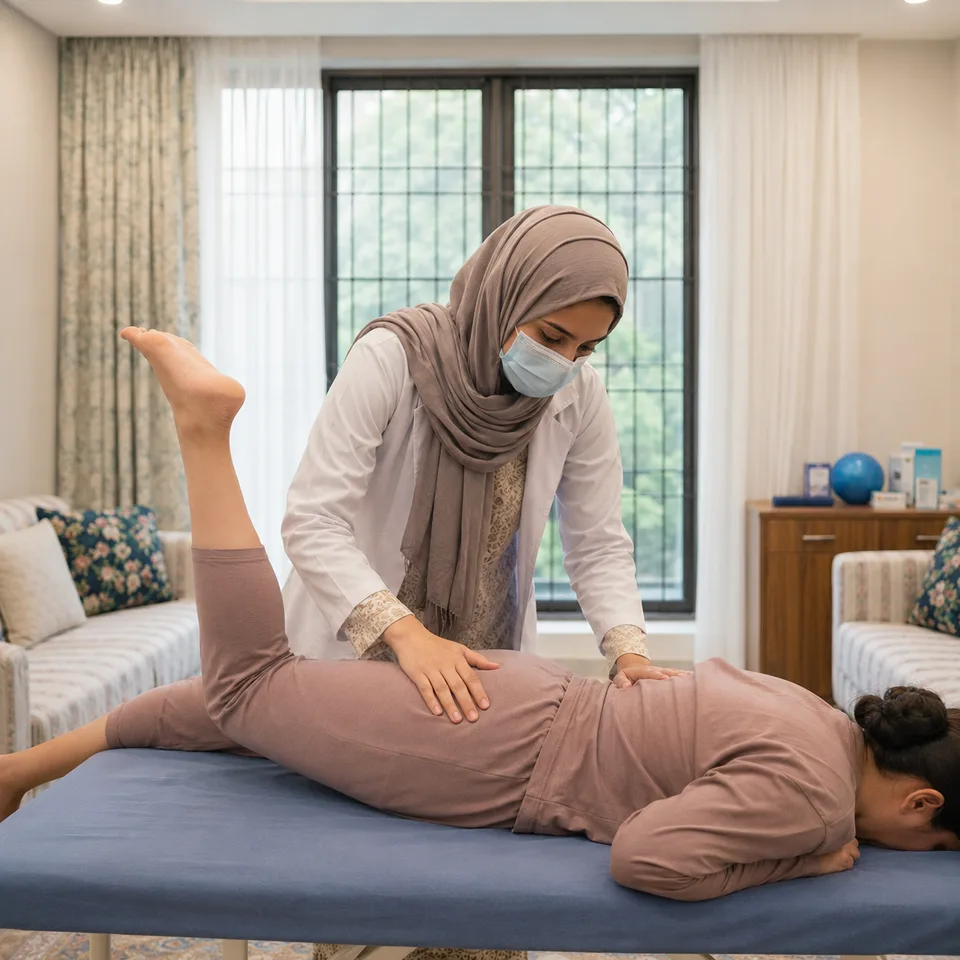
Spine, back & neck
Low Back Pain
Lower-back pain may be sudden, persistent, posture-related, pregnancy-related or linked with changes in daily loading.
Open detail guideMunaza Physio Studio · Clinical guide directory
Browse 68 canonical condition guides across musculoskeletal, sports, women’s health, neurological and specialist rehabilitation areas. Guides explain the terminology; assessment determines diagnosis, suitability and service availability.
The care areas
The complete directory
Each condition appears once under its primary clinical group. Related terms and symptoms point back to the canonical guide instead of creating duplicate pages.
68 of 68 conditions
Spine, back & neck
Lower-back pain may be sudden, persistent, posture-related, pregnancy-related or linked with changes in daily loading.
Open detail guide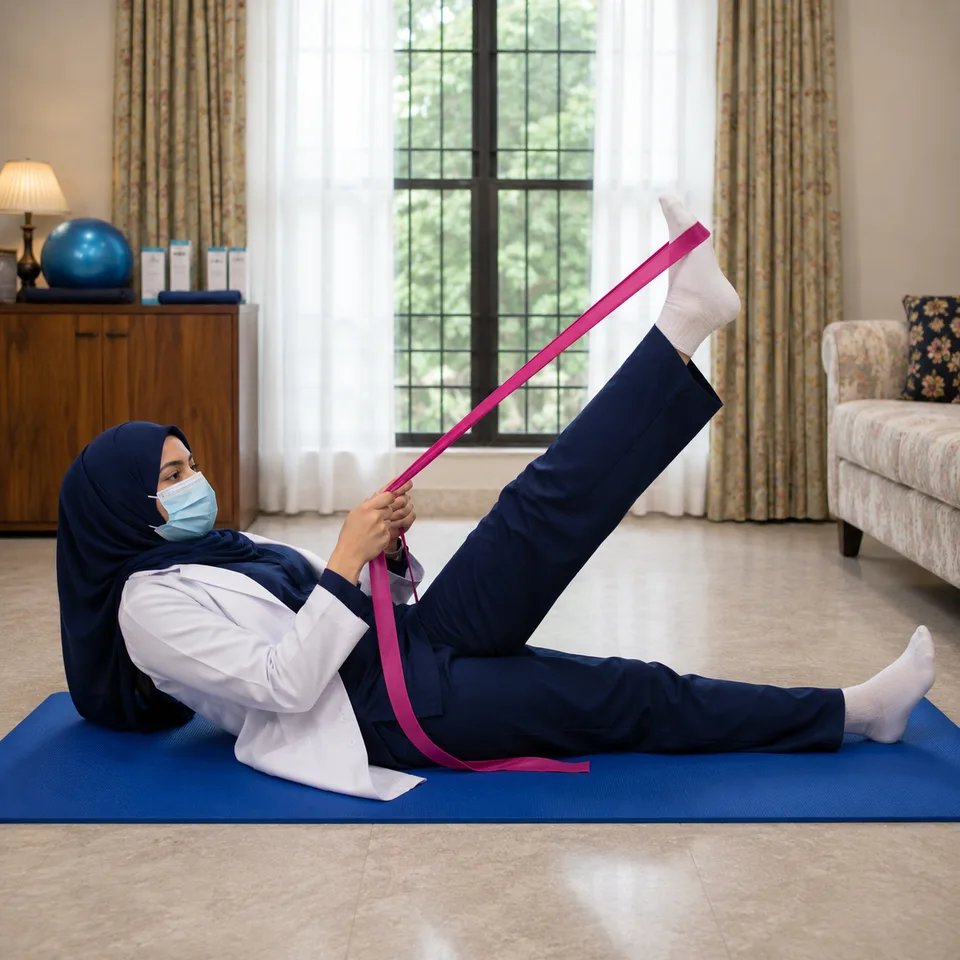
Spine, back & neck
Disc-related back pain can include local pain or symptoms associated with irritation of a lumbar nerve root.
Open detail guide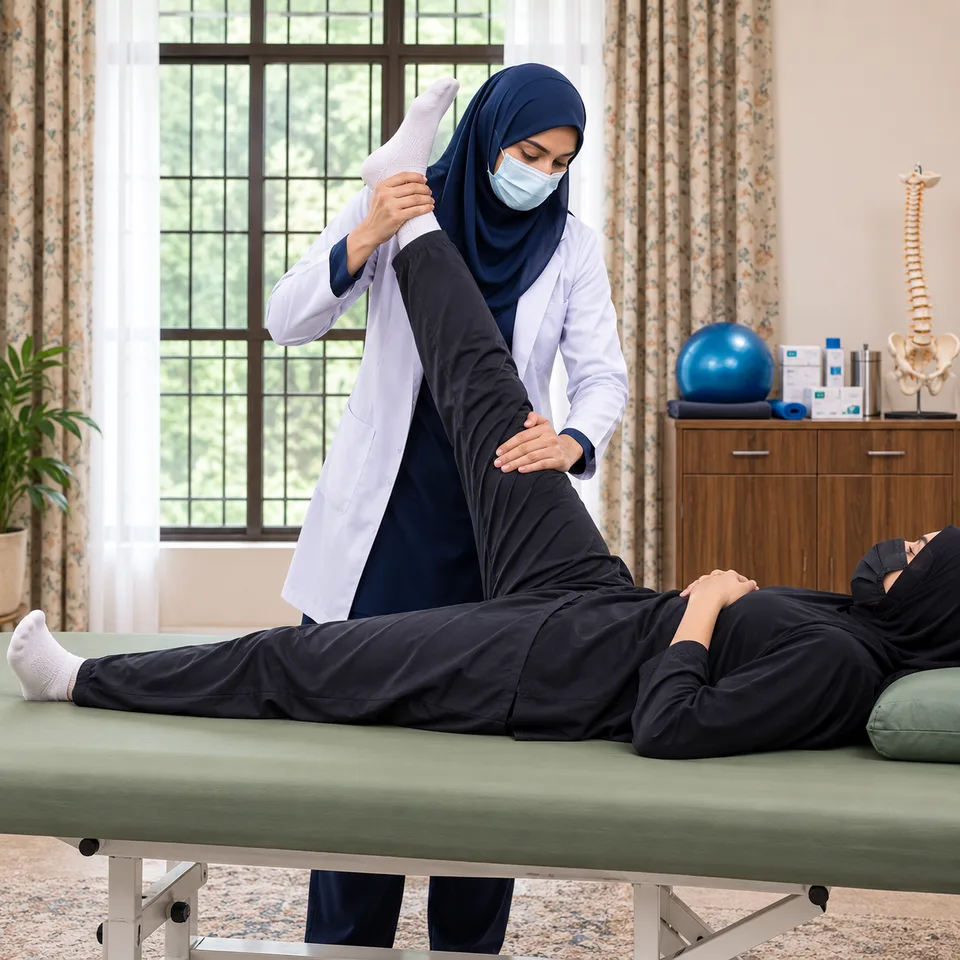
Spine, back & neck
Sciatica describes nerve-related symptoms that may travel from the lower back or buttock into the leg.
Open detail guide
Spine, back & neck
Lumbar spinal stenosis can affect standing and walking tolerance and may produce leg heaviness or nerve-related symptoms.
Open detail guide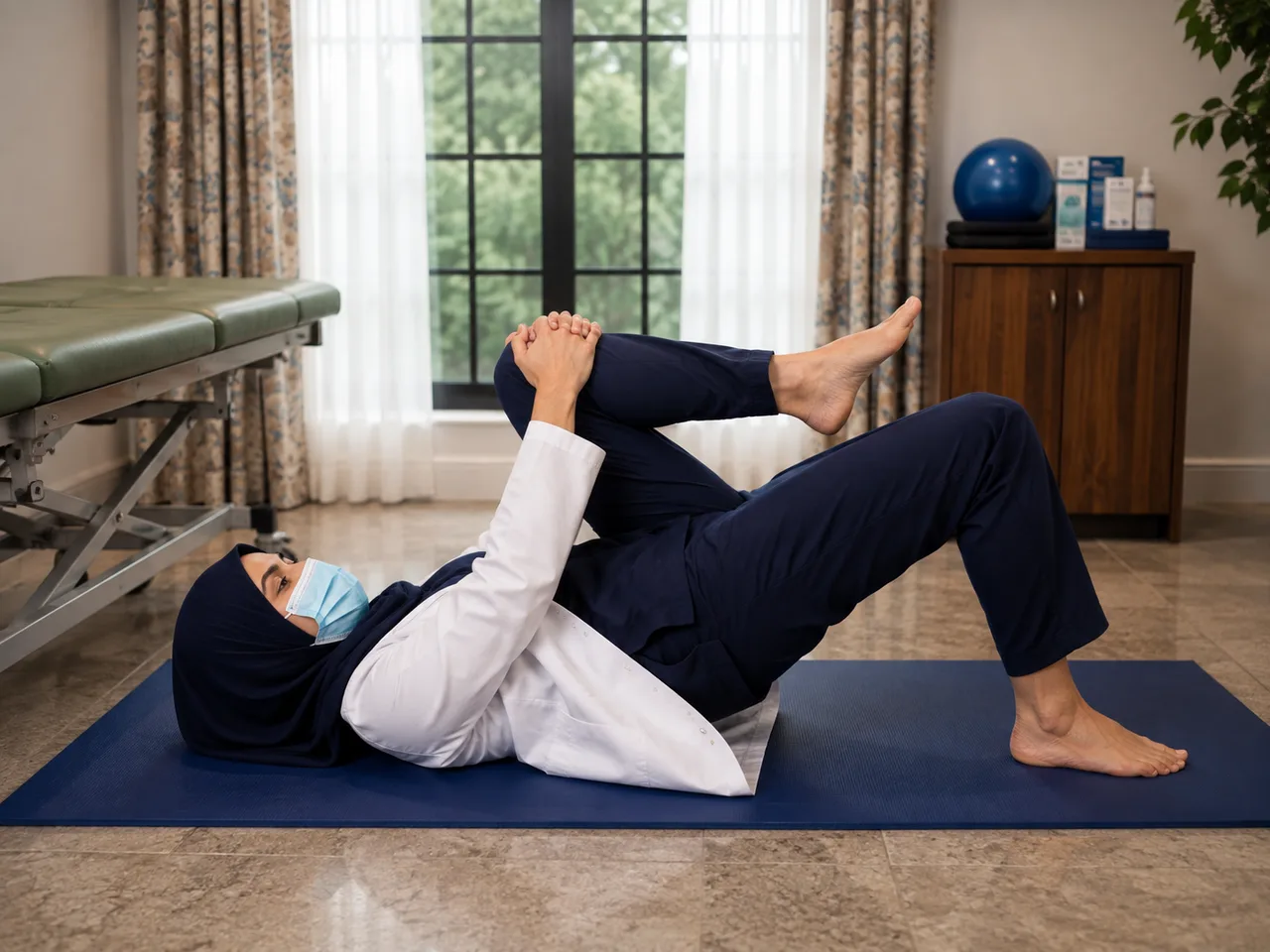
Spine, back & neck
Age- and load-related spinal joint changes may contribute to stiffness, local pain and reduced movement confidence.
Open detail guide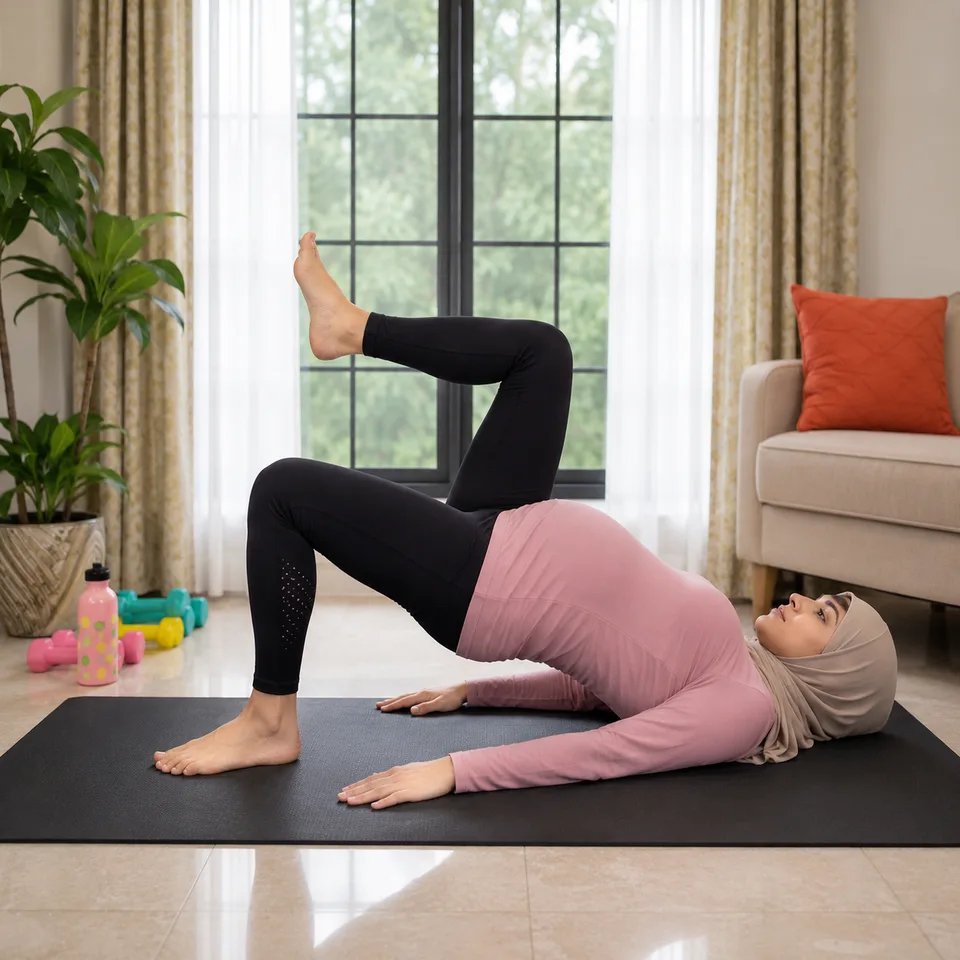
Spine, back & neck
Pain around the pelvis may involve the sacroiliac region, pubic symphysis or coccyx and requires assessment of the wider presentation.
Open detail guide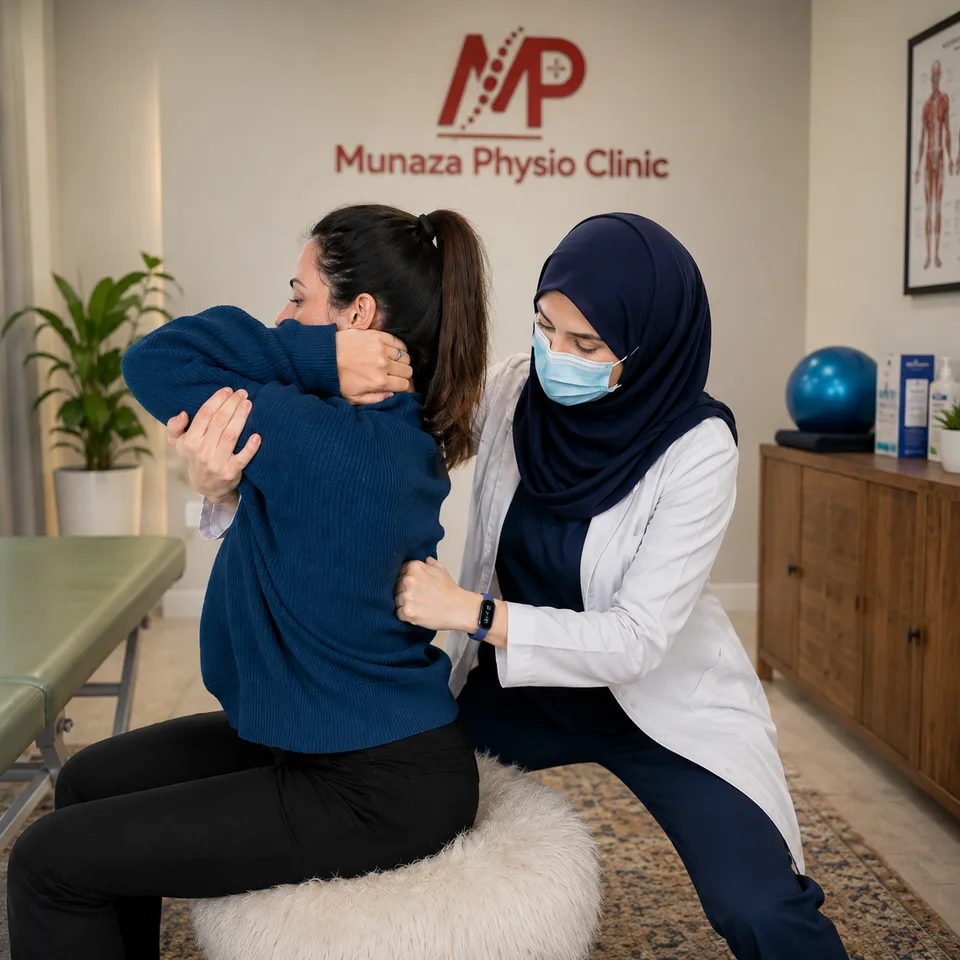
Spine, back & neck
Upper-back or rib-region pain may affect breathing, rotation, posture and everyday reaching.
Open detail guide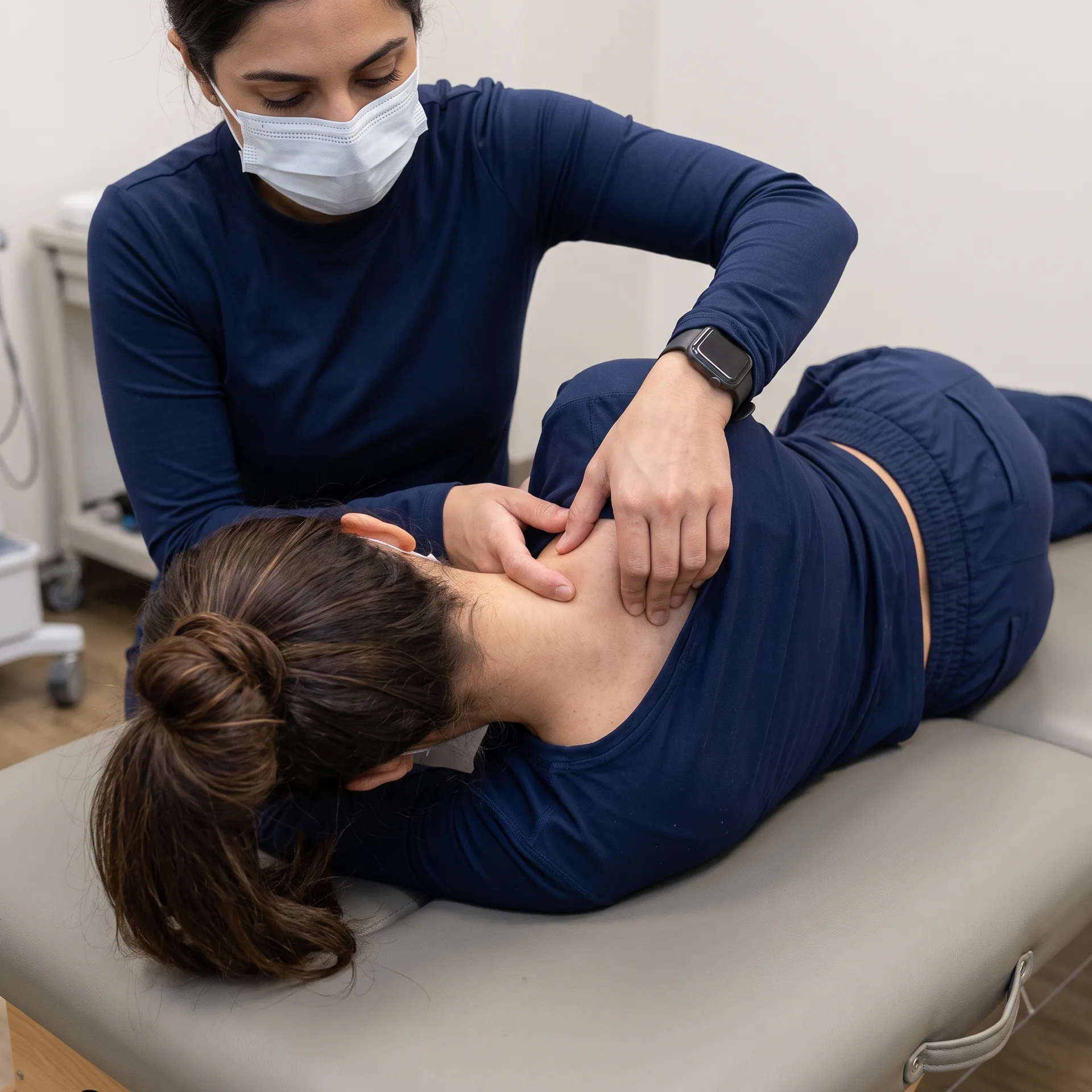
Spine, back & neck
Neck pain can involve stiffness, movement restriction, headache or symptoms that travel into the arm.
Open detail guide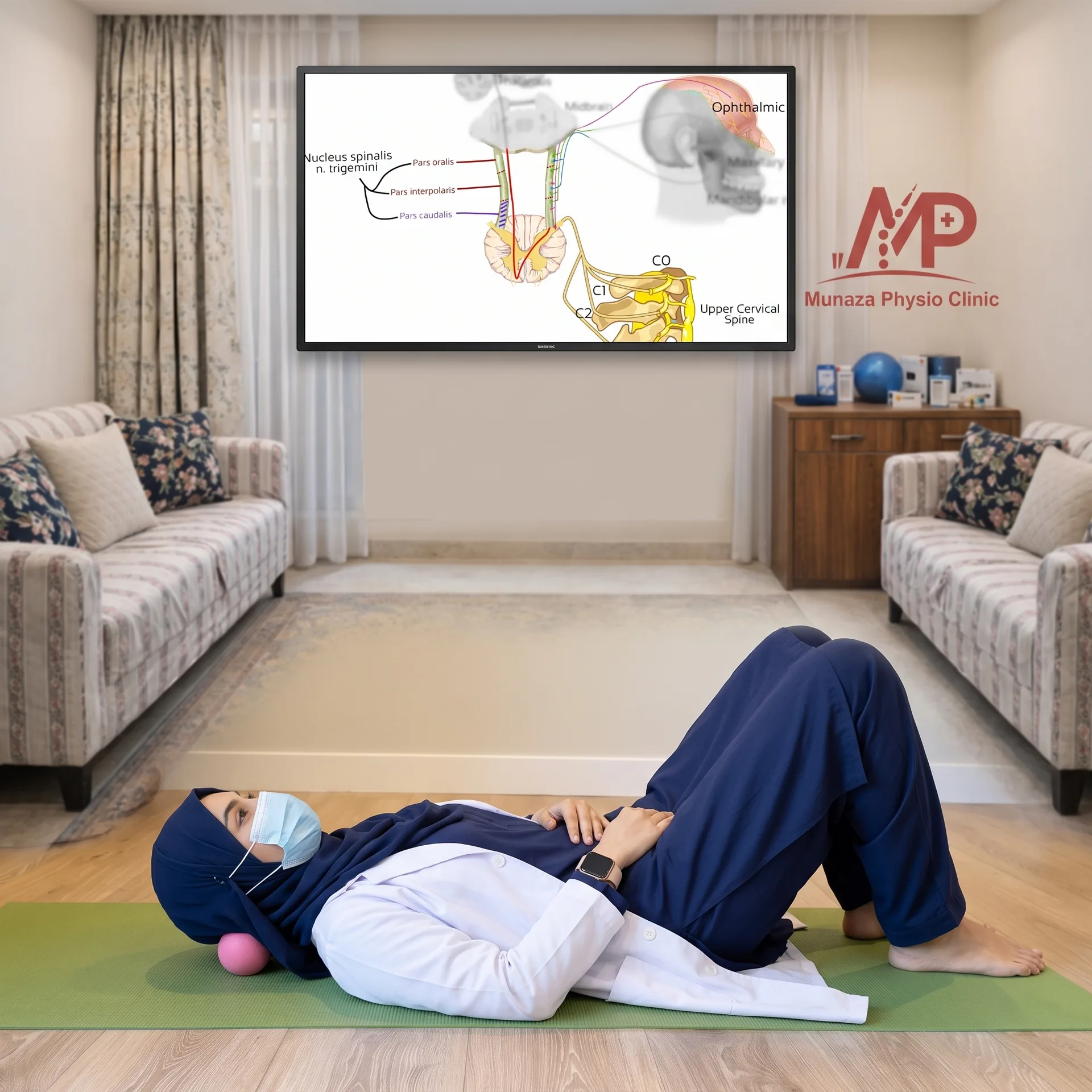
Spine, back & neck
A cervicogenic headache is pain referred from structures in the neck and is different from migraine or other headache diagnoses.
Open detail guide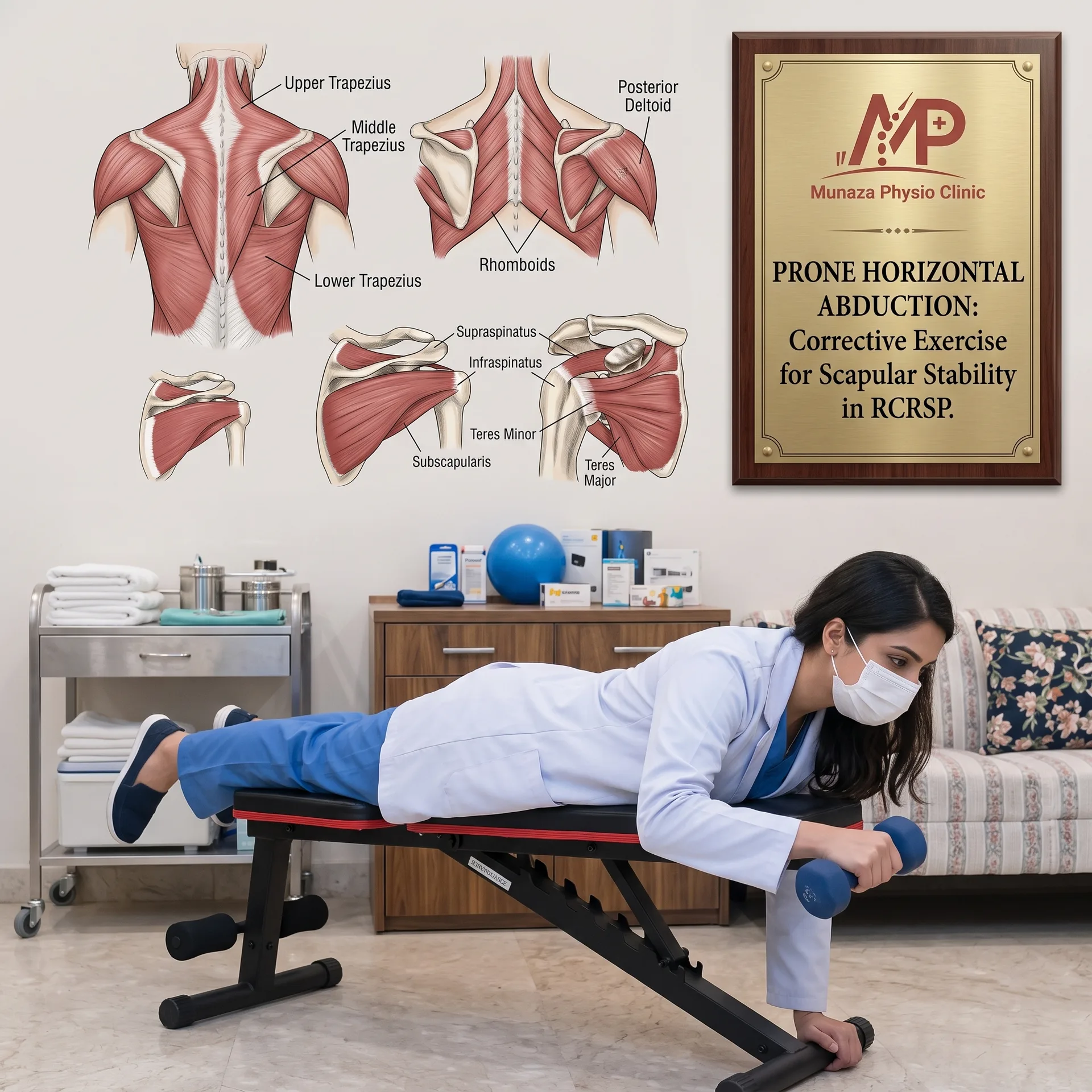
Shoulder & upper limb
Rotator cuff-related pain can affect lifting, reaching, sleep, work and sporting tasks.
Open detail guide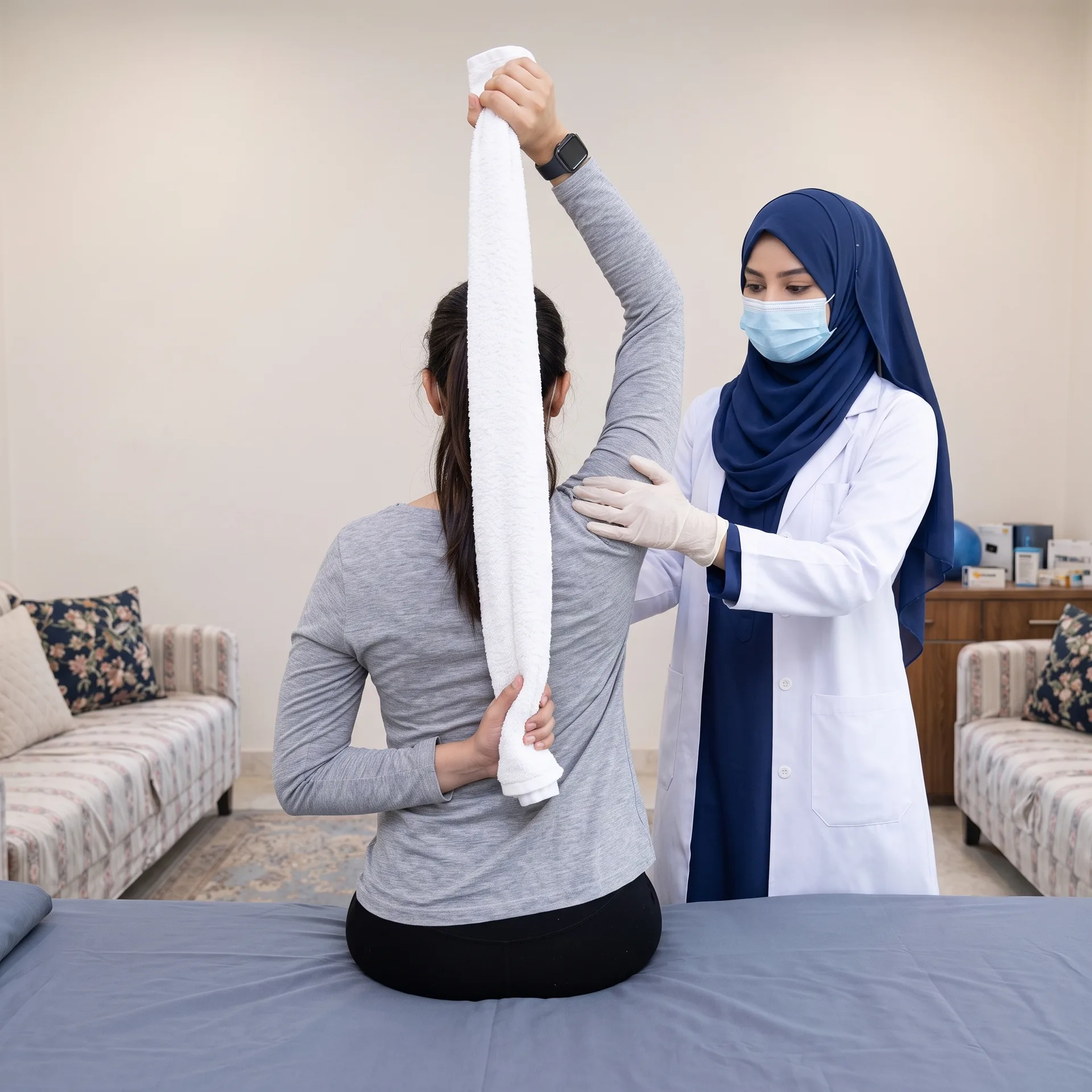
Shoulder & upper limb
Frozen shoulder is a painful and stiff shoulder presentation that usually changes through pain-dominant, stiffness-dominant and recovery stages.
Open detail guide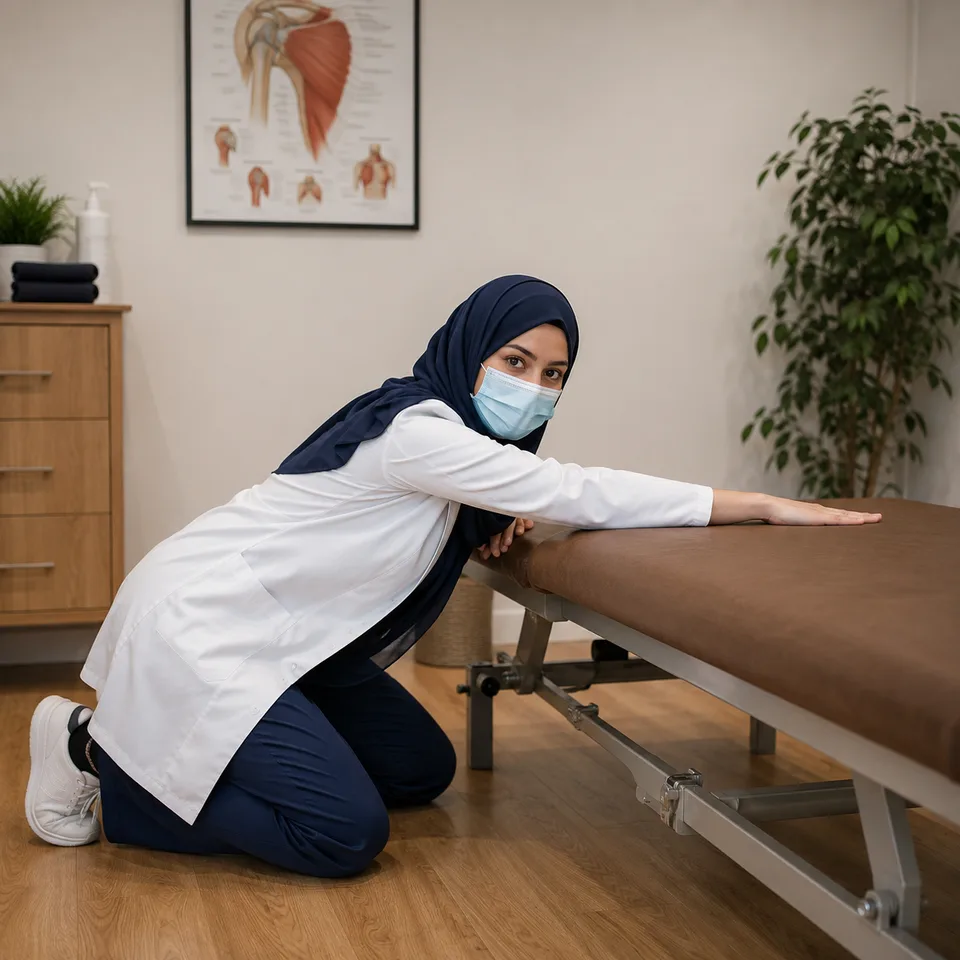
Shoulder & upper limb
Several joint, bursal and instability presentations can produce shoulder pain and loss of function.
Open detail guide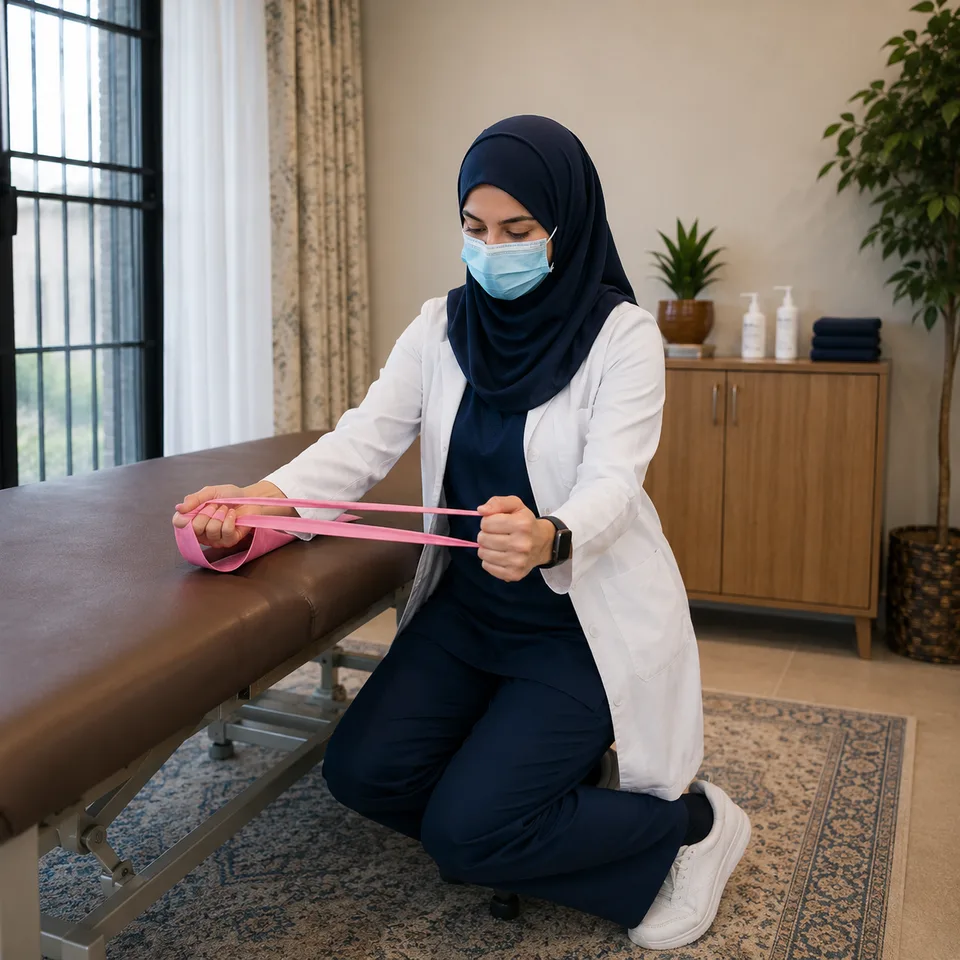
Shoulder & upper limb
Elbow tendon pain often develops with repeated gripping, lifting, throwing or upper-limb loading.
Open detail guide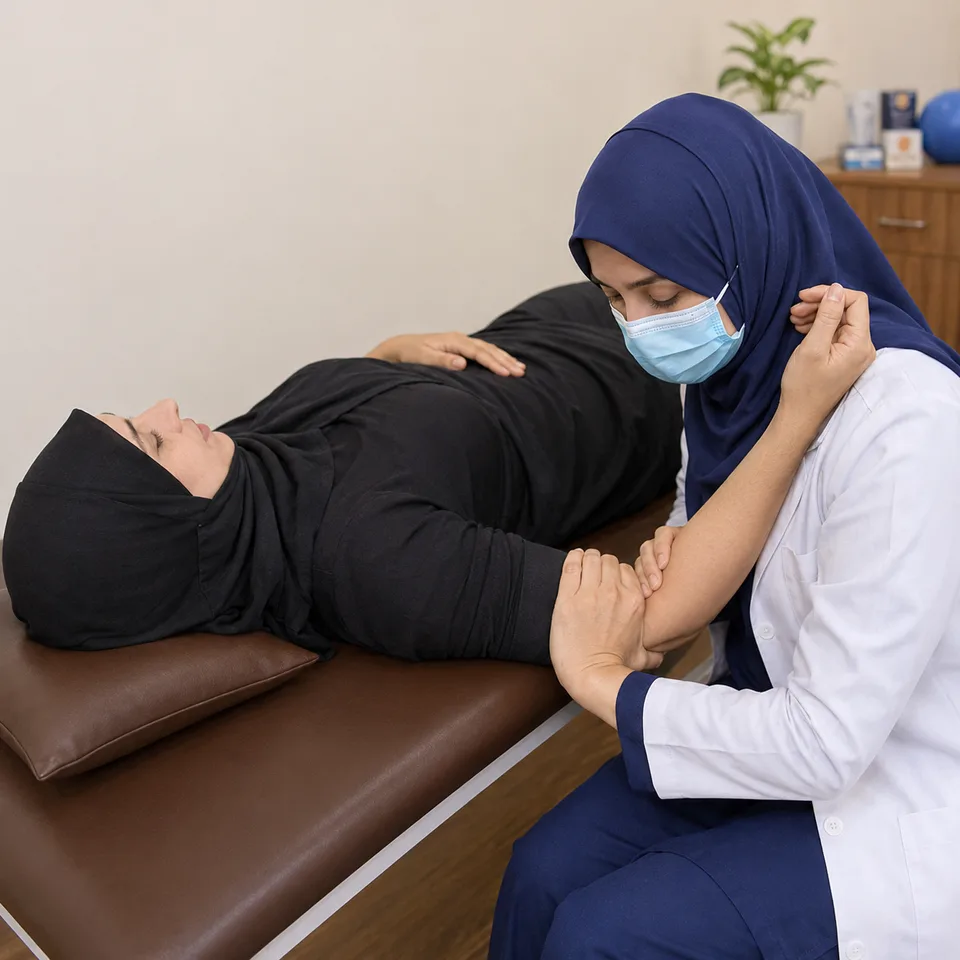
Shoulder & upper limb
Elbow joint injury or stiffness can reduce bending, straightening, rotation and confidence in arm use.
Open detail guide
Shoulder & upper limb
Wrist and hand problems can affect grip, dexterity, work, caregiving and daily tasks.
Open detail guide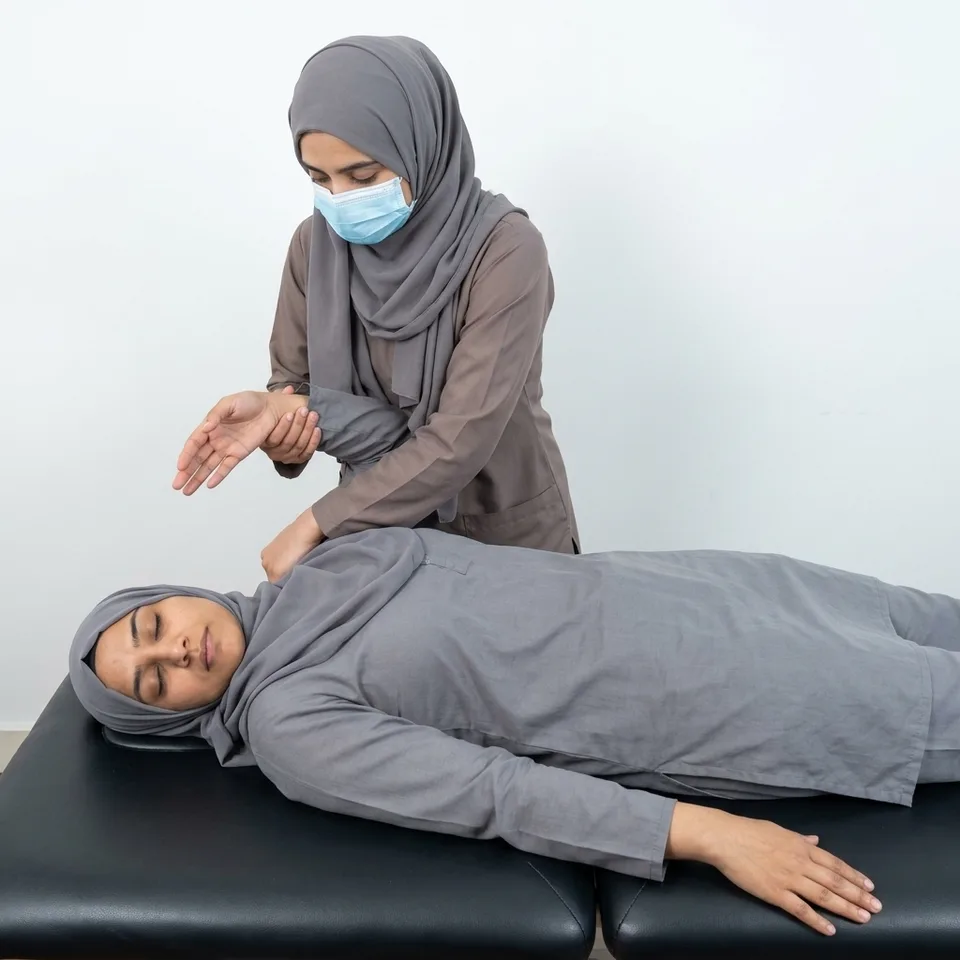
Shoulder & upper limb
Upper-limb nerve irritation may produce pain, tingling, numbness or weakness and should be assessed in context.
Open detail guide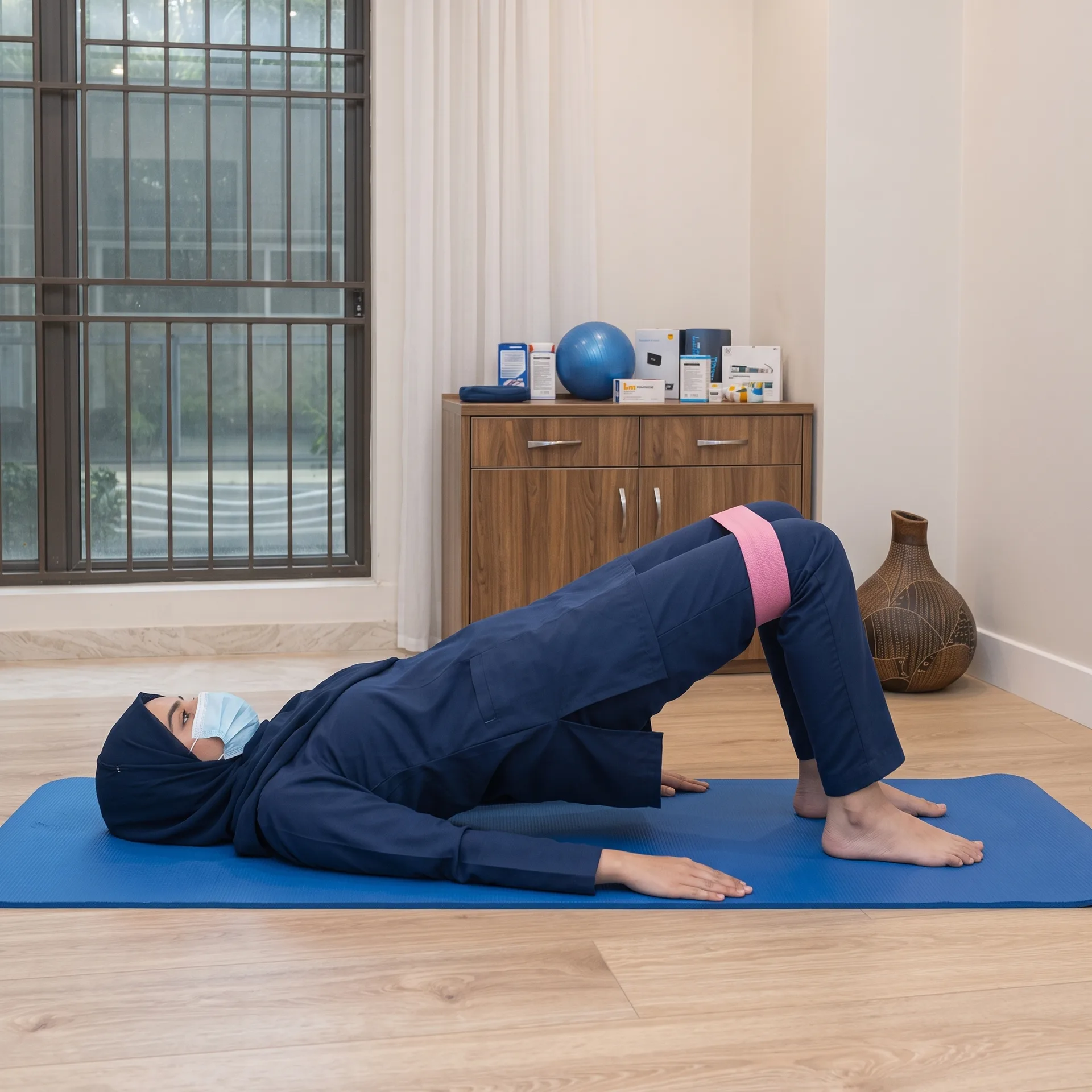
Hip, knee, foot & ankle
Hip-region pain can arise from joints, tendons or surrounding tissues and may affect walking, stairs, sleep or exercise.
Open detail guide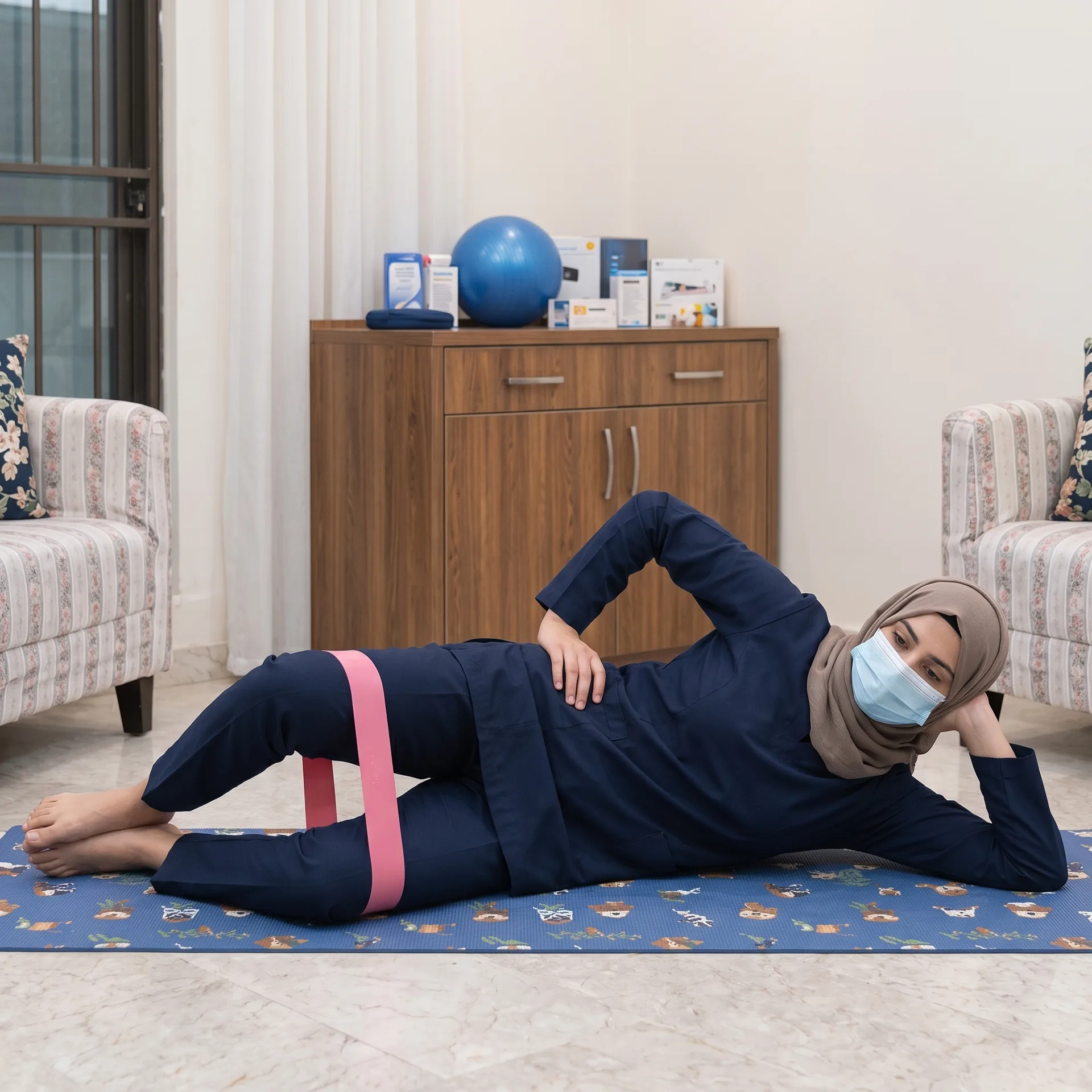
Hip, knee, foot & ankle
Knee pain can affect stairs, sitting, walking, running and confidence in loading the leg.
Open detail guide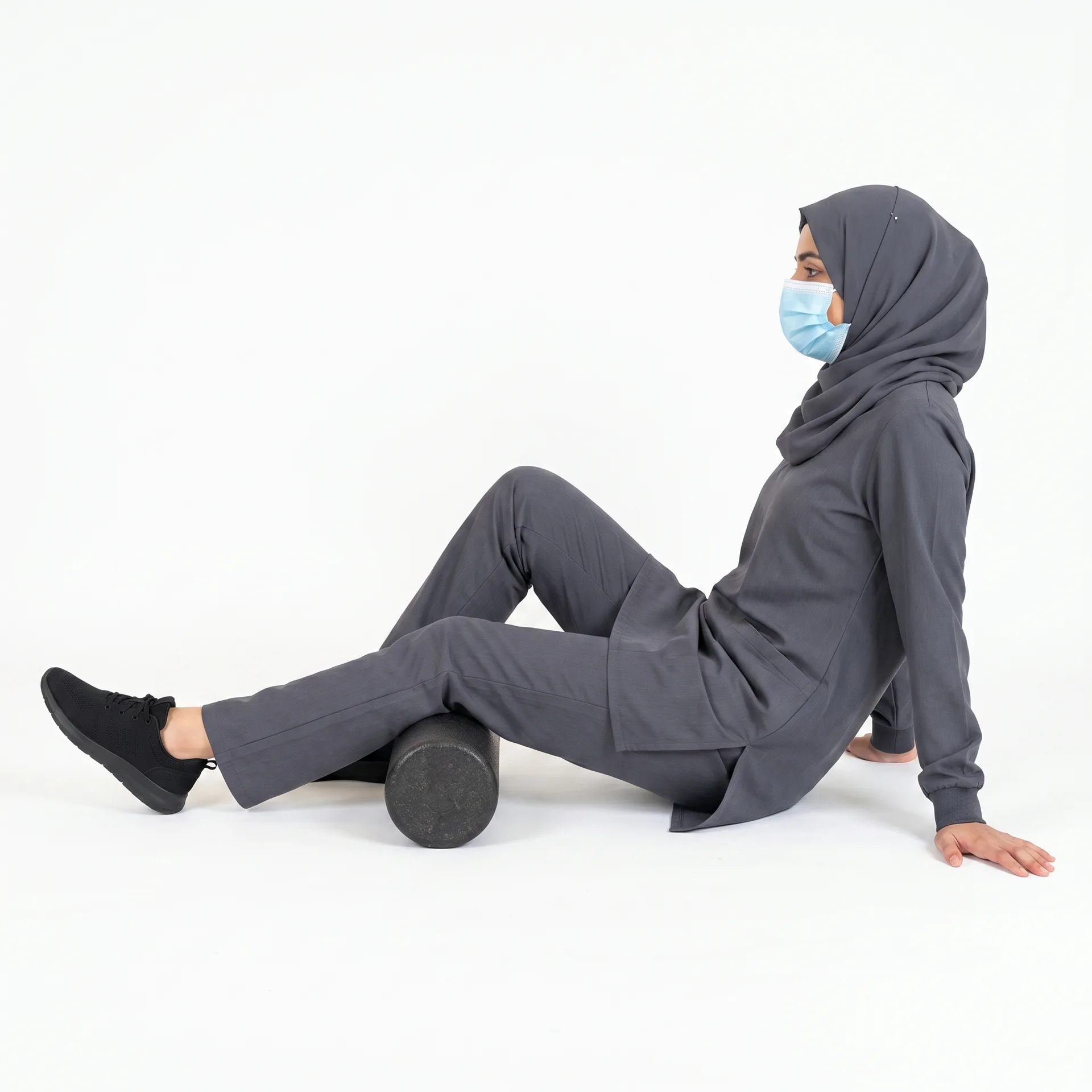
Hip, knee, foot & ankle
Knee ligament rehabilitation progressively rebuilds movement, strength, control and activity-specific capacity.
Open detail guide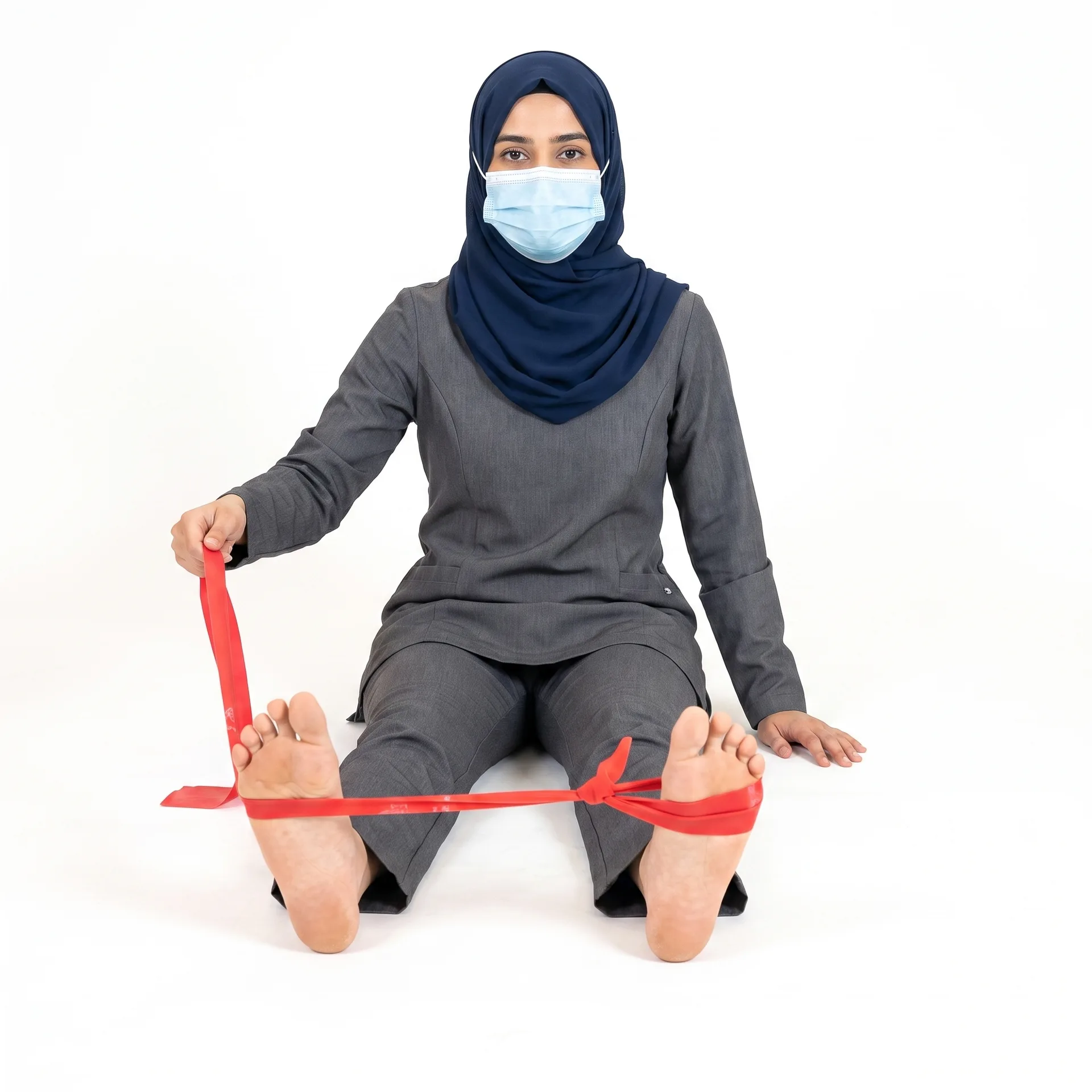
Hip, knee, foot & ankle
An ankle sprain can affect mobility, calf strength, balance and confidence, particularly when sprains recur.
Open detail guide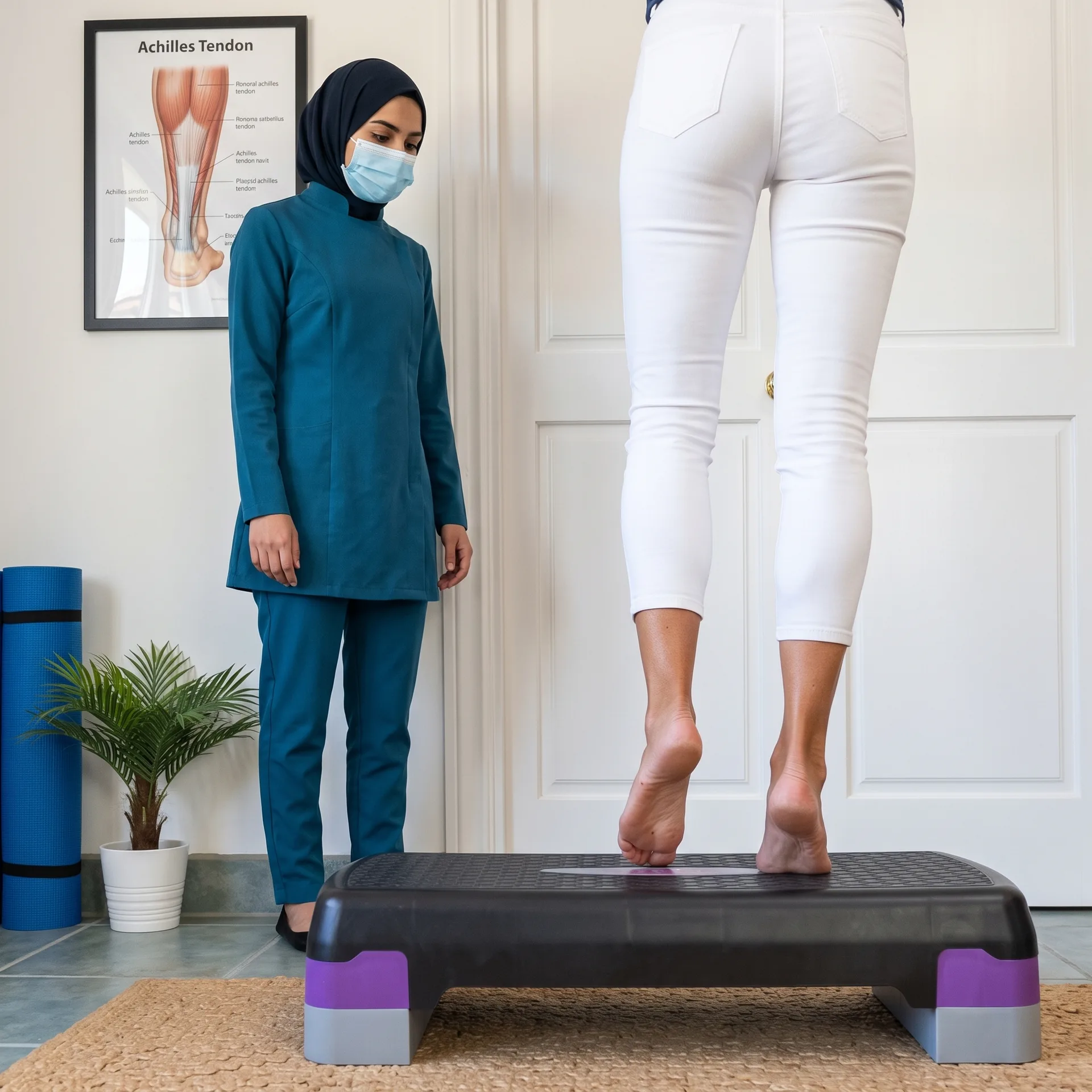
Hip, knee, foot & ankle
Achilles tendon pain is often load-related and may affect walking, stairs, running and jumping.
Open detail guide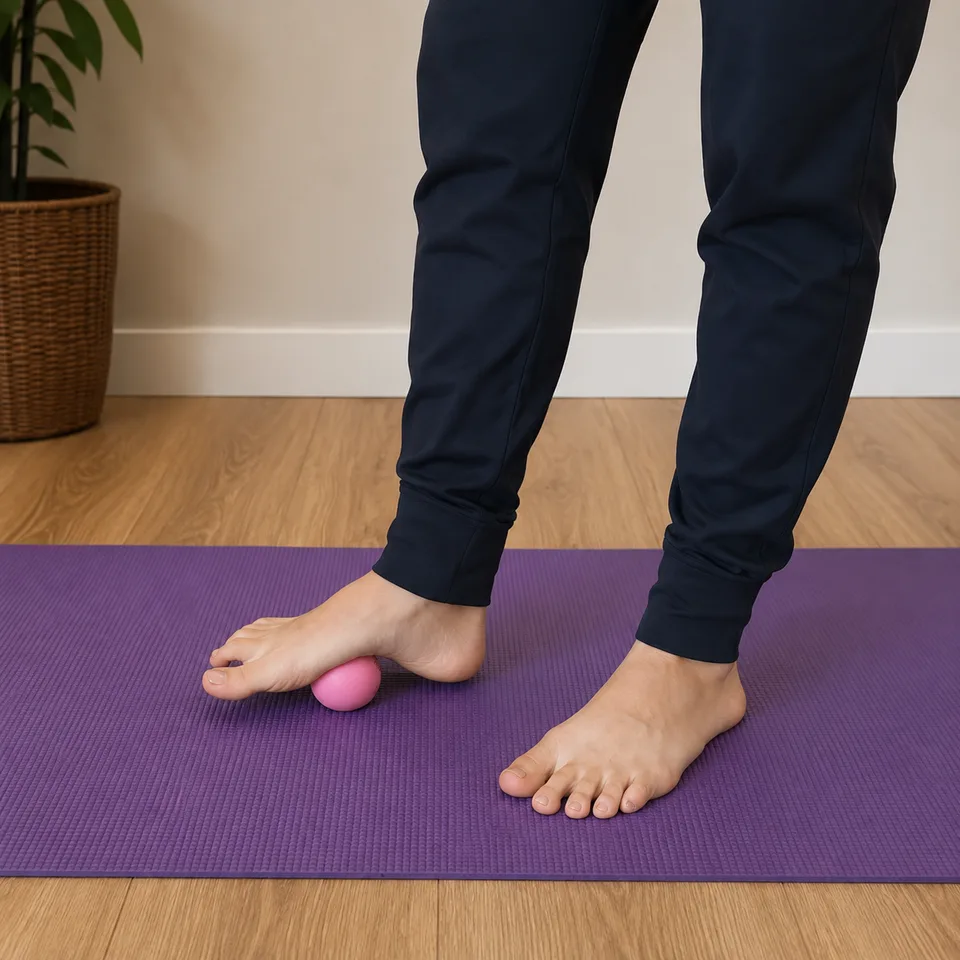
Hip, knee, foot & ankle
Plantar heel pain is commonly felt under the heel and may be worse with first steps or prolonged loading.
Open detail guide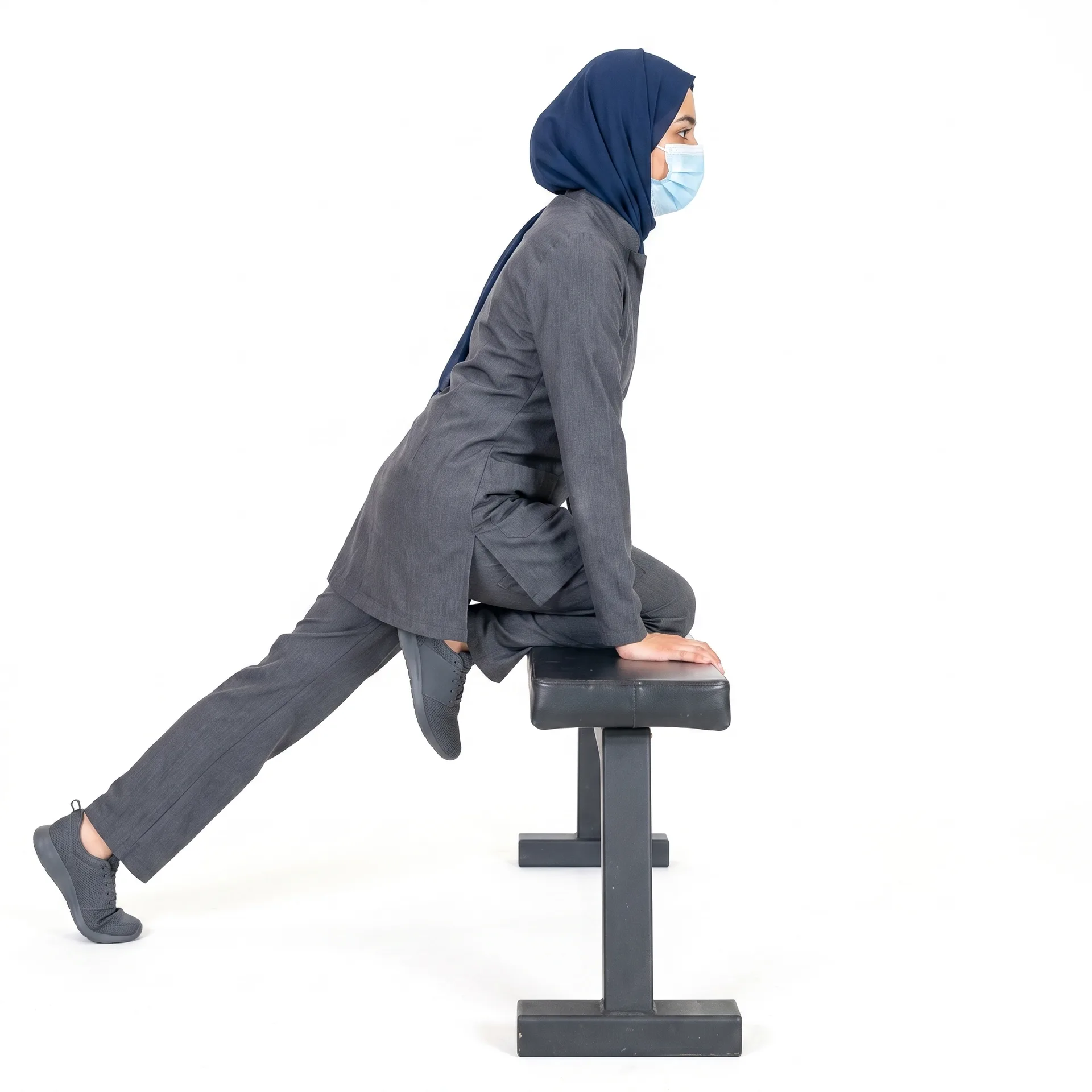
Hip, knee, foot & ankle
Tendon conditions around the foot and ankle can affect support, push-off, walking and sporting activity.
Open detail guide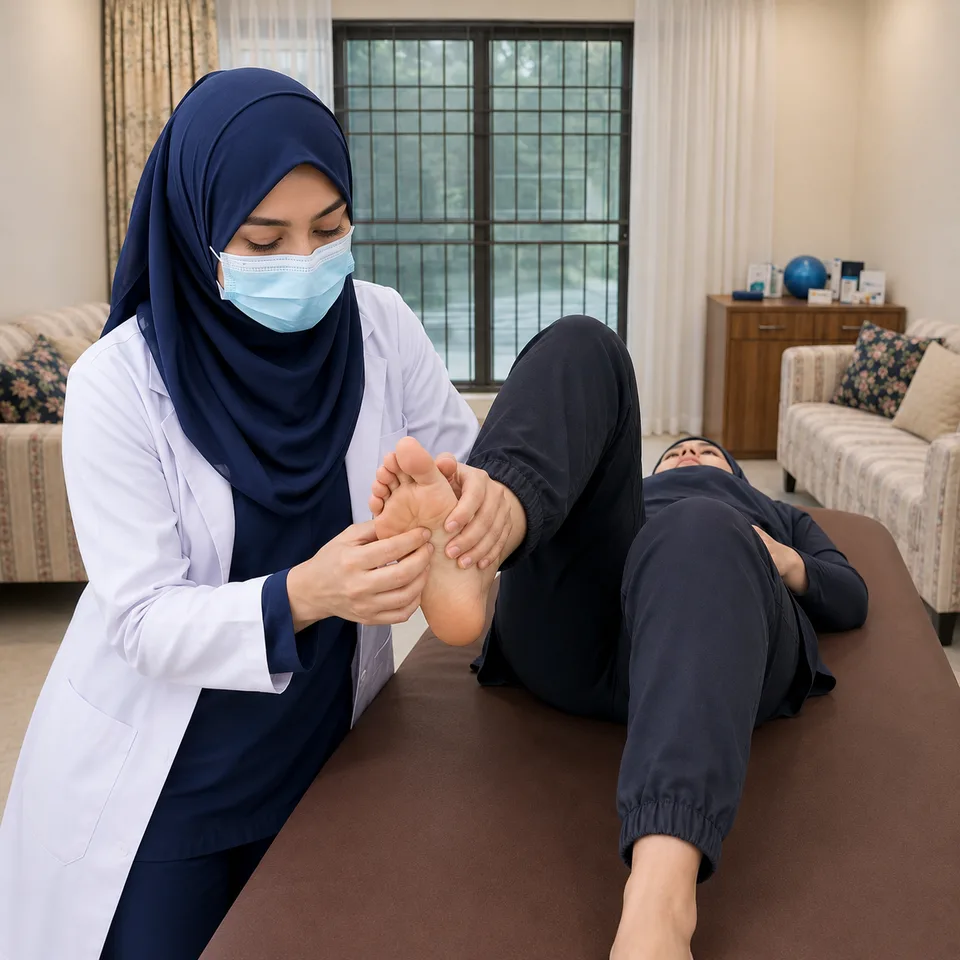
Hip, knee, foot & ankle
Pain in the forefoot or midfoot may limit standing, walking and footwear tolerance and requires careful assessment.
Open detail guide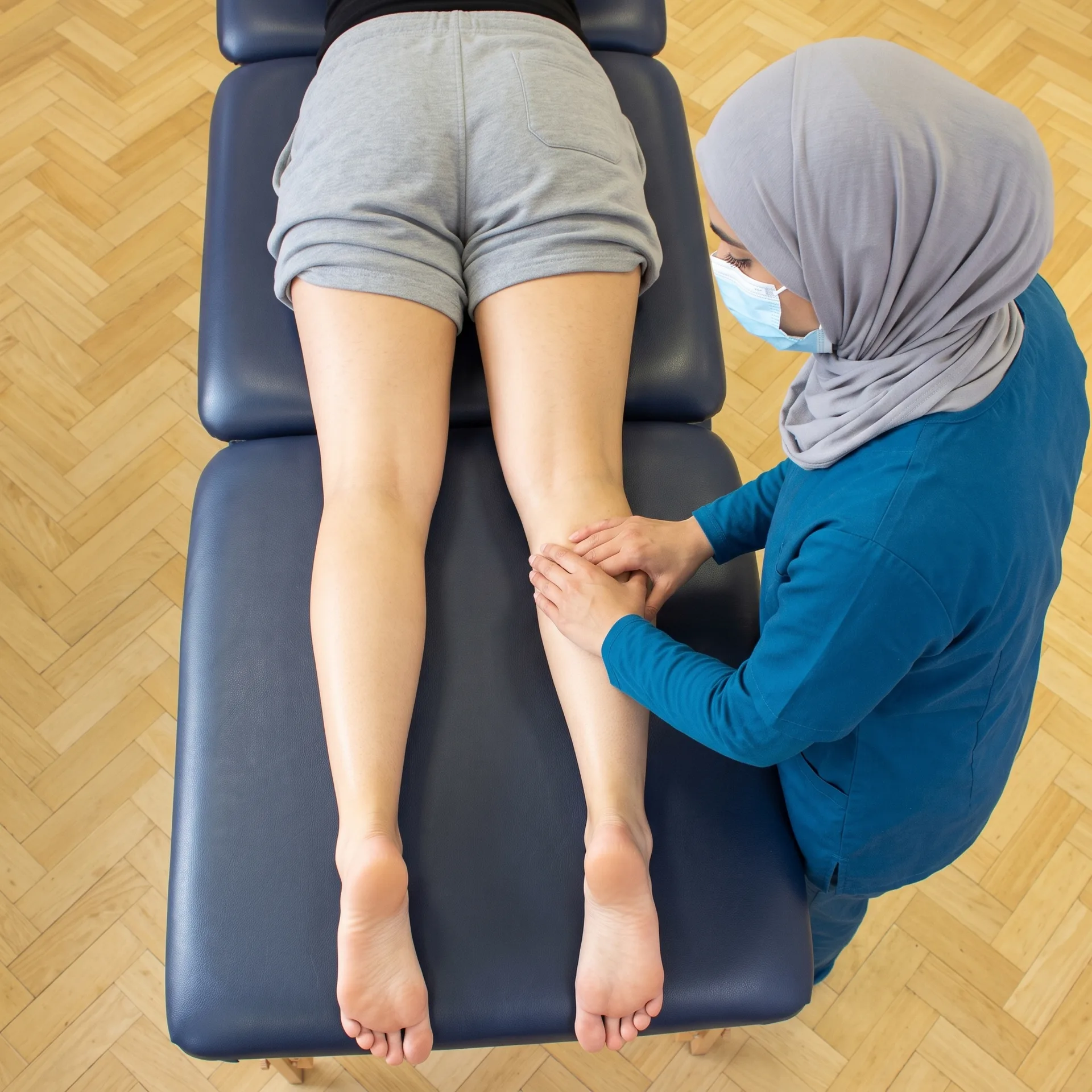
Hip, knee, foot & ankle
Overuse symptoms can develop when activity demand rises faster than the body’s current capacity.
Open detail guide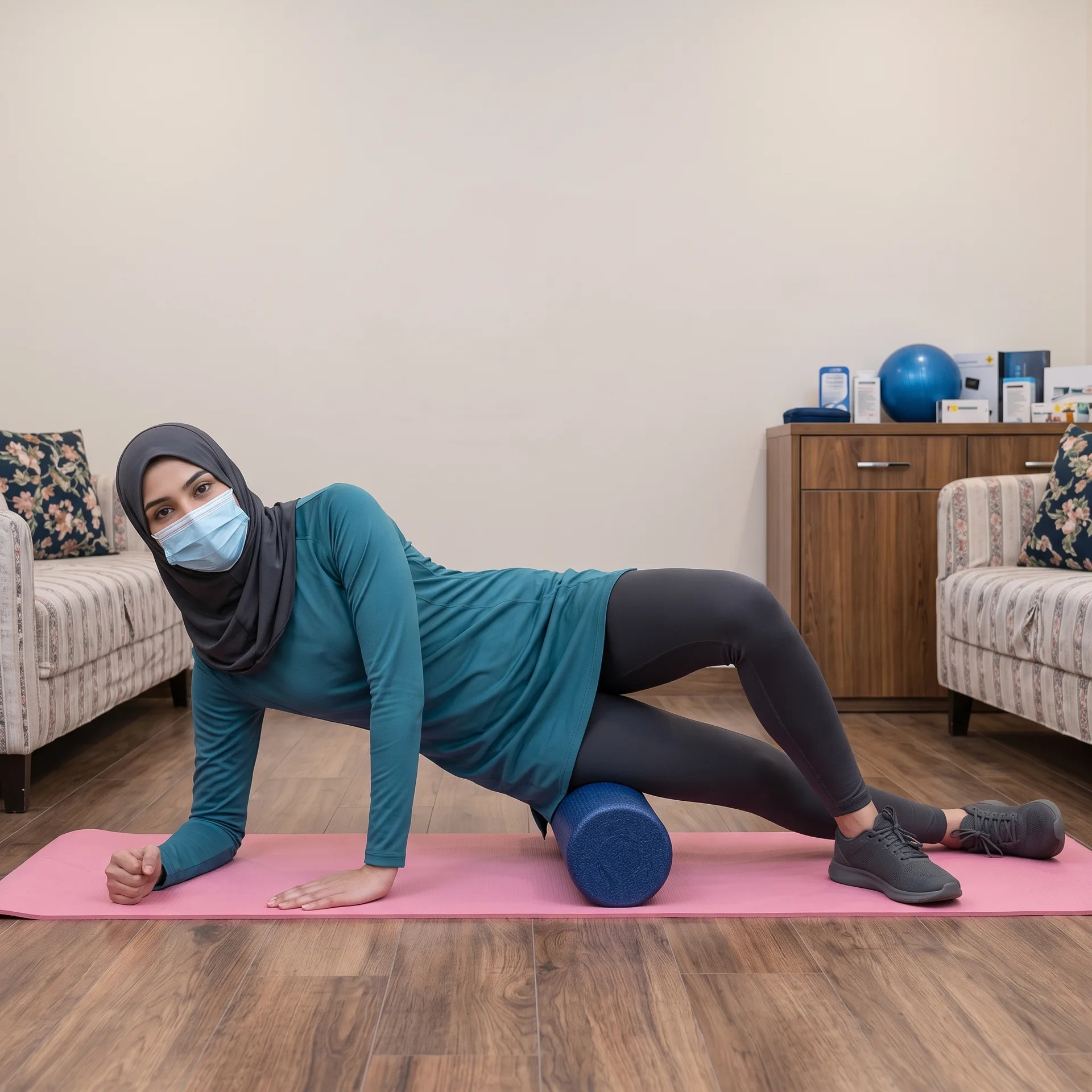
Sports & return to activity
Muscle injury rehabilitation progresses from early protection and movement to strength, speed and activity-specific loading.
Open detail guide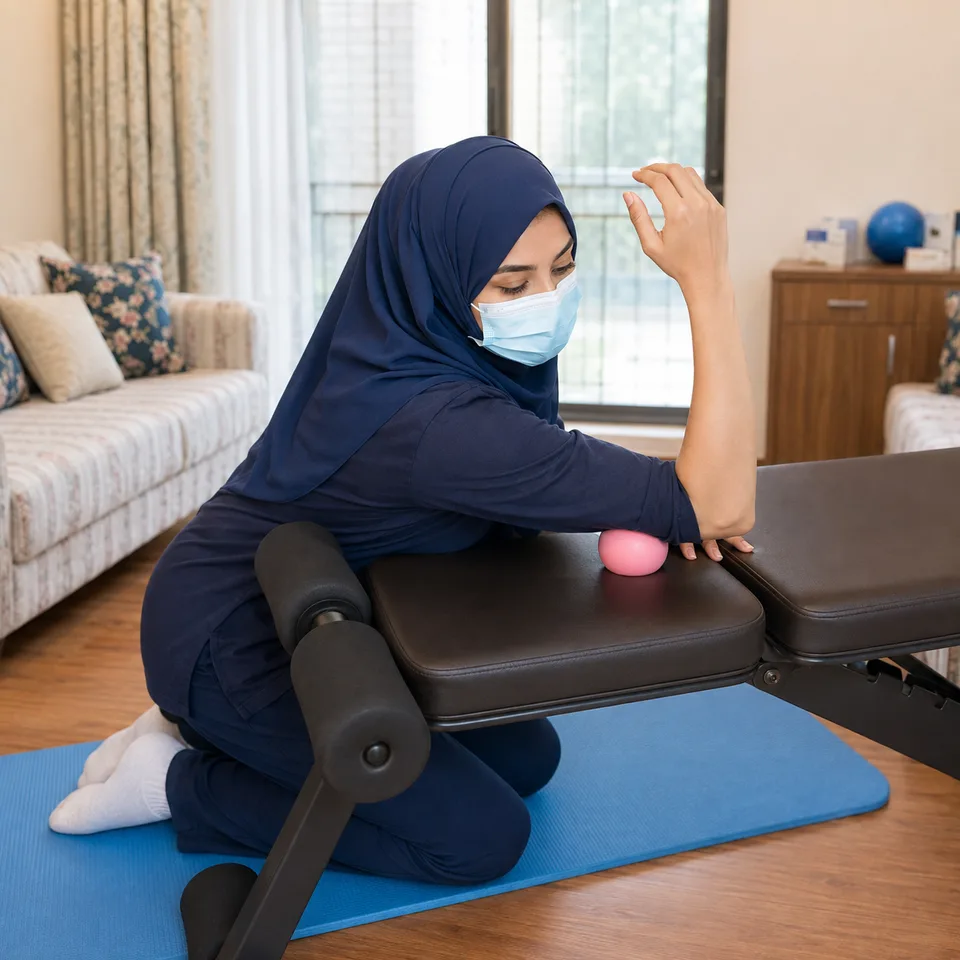
Sports & return to activity
Tendon rehabilitation uses measured loading to rebuild tolerance for work, exercise or sport.
Open detail guide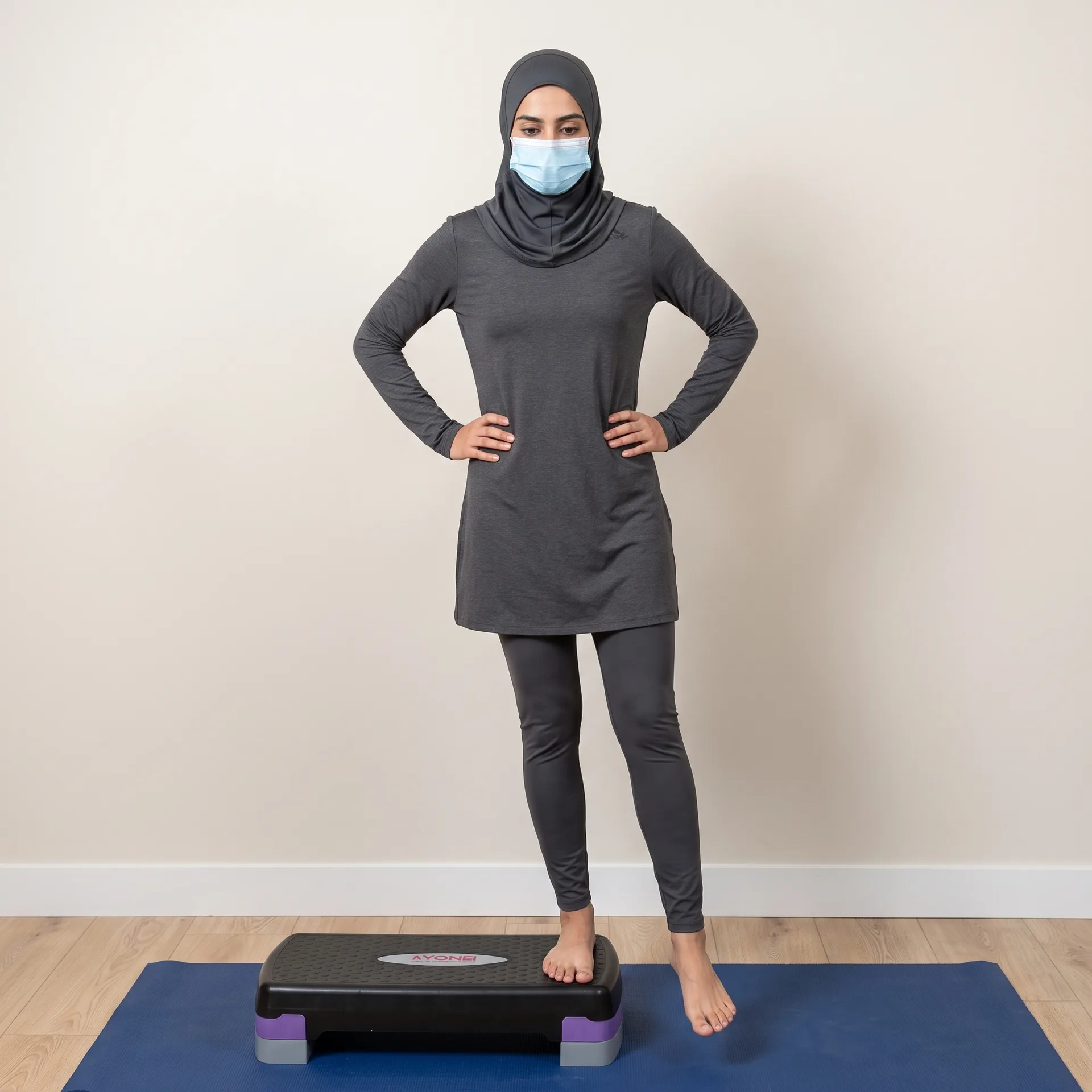
Sports & return to activity
Ligament and joint injuries can affect stability, confidence and return to activity after a sprain or dislocation.
Open detail guide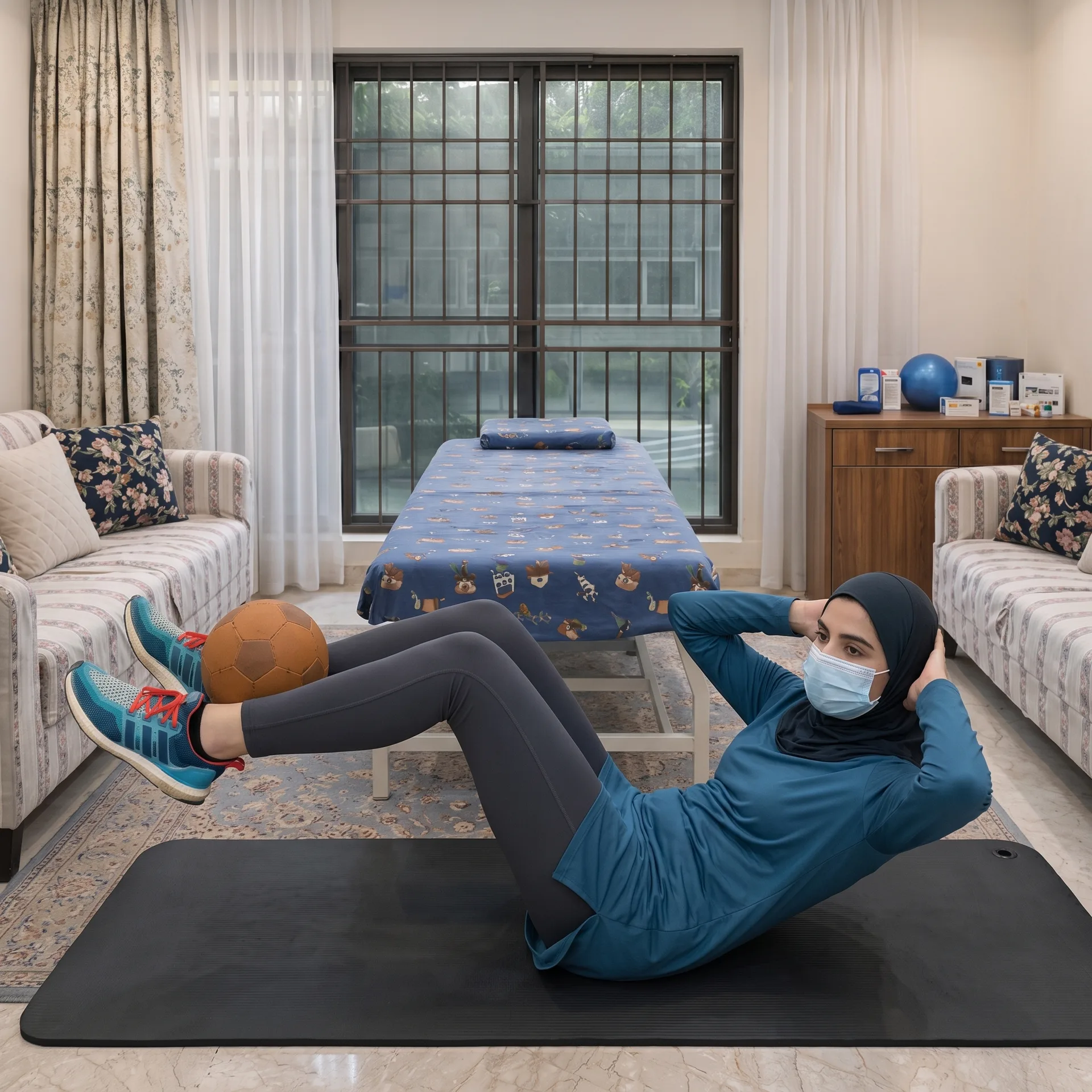
Sports & return to activity
Repeated work or training load can exceed current capacity and lead to persistent, activity-linked symptoms.
Open detail guide
Sports & return to activity
Sports injuries in adolescent girls require age-appropriate assessment, safeguarding and coordination when medical review is needed.
Open review-stage guide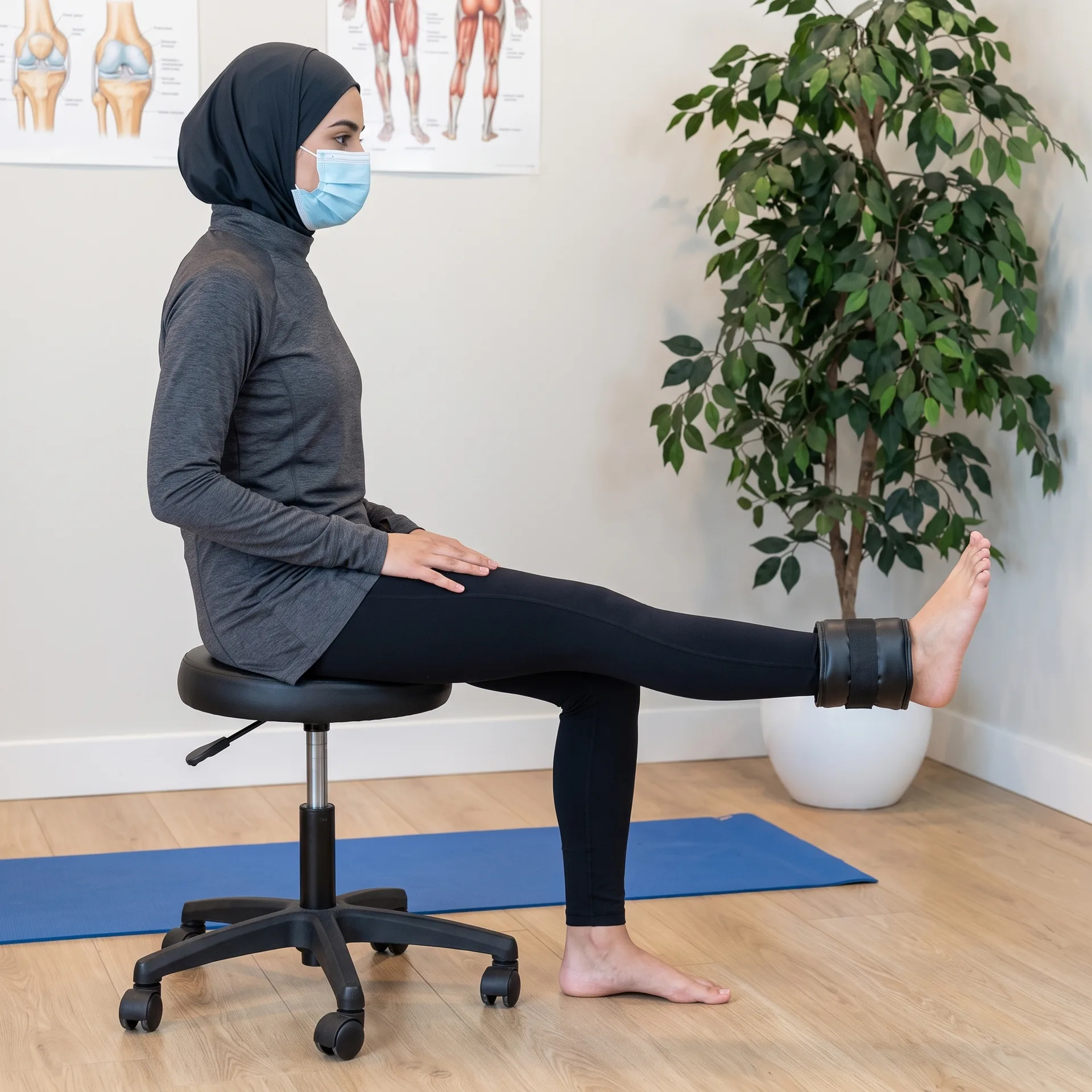
Arthritis & persistent pain
Osteoarthritis can affect joint comfort, strength, mobility and confidence in everyday activity.
Open detail guide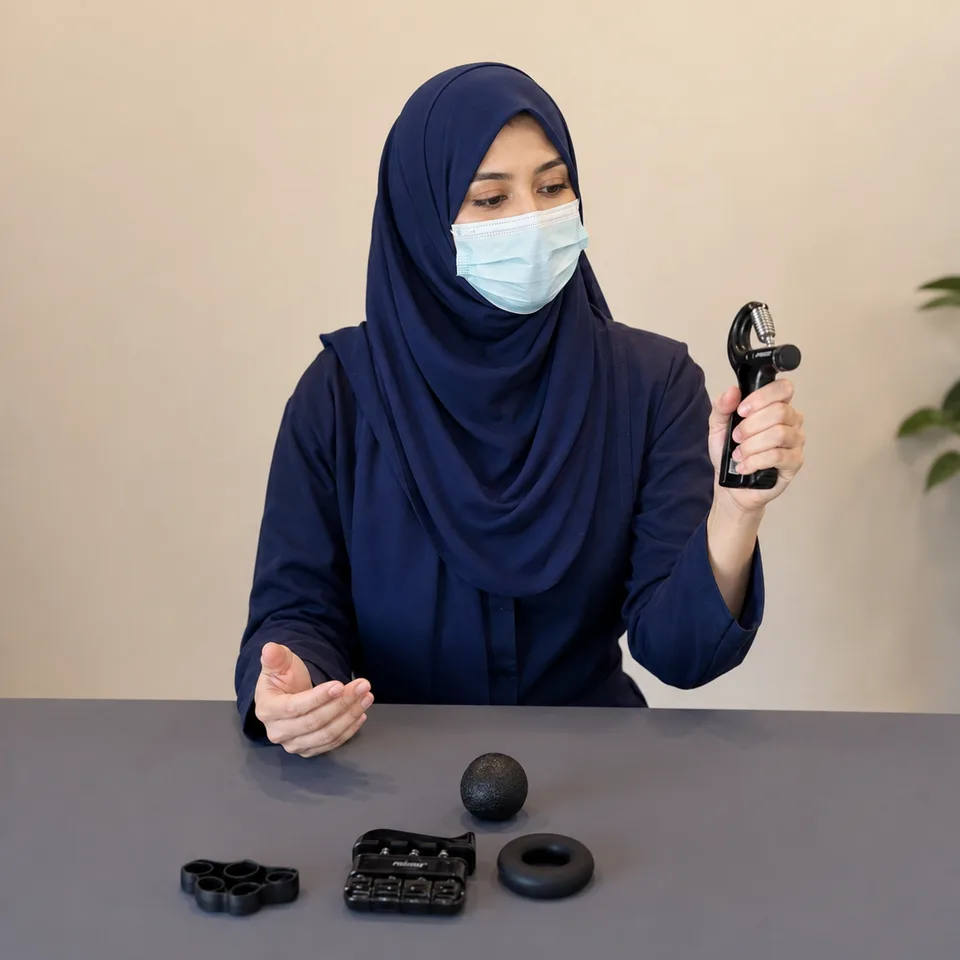
Arthritis & persistent pain
Physiotherapy may support movement, strength and daily function alongside medical management for rheumatoid arthritis.
Open detail guide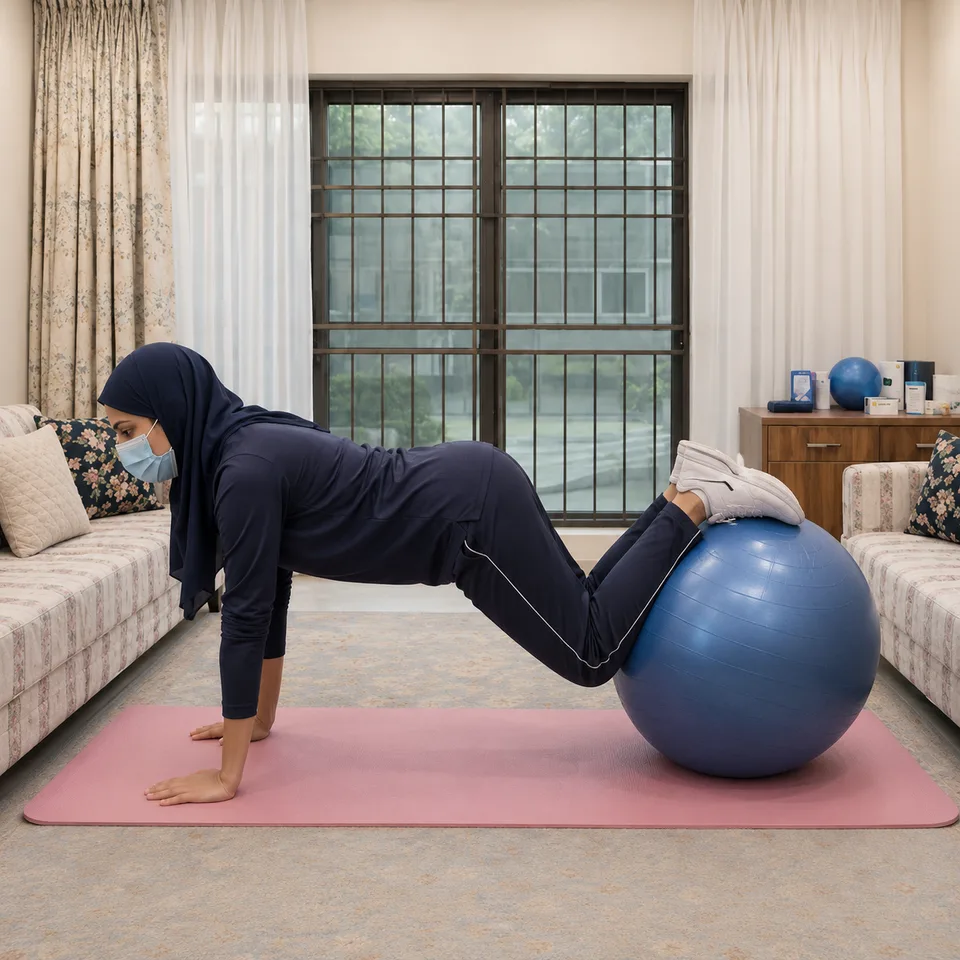
Arthritis & persistent pain
Rehabilitation may support spinal mobility, posture, breathing movement and physical capacity alongside medical care.
Open detail guide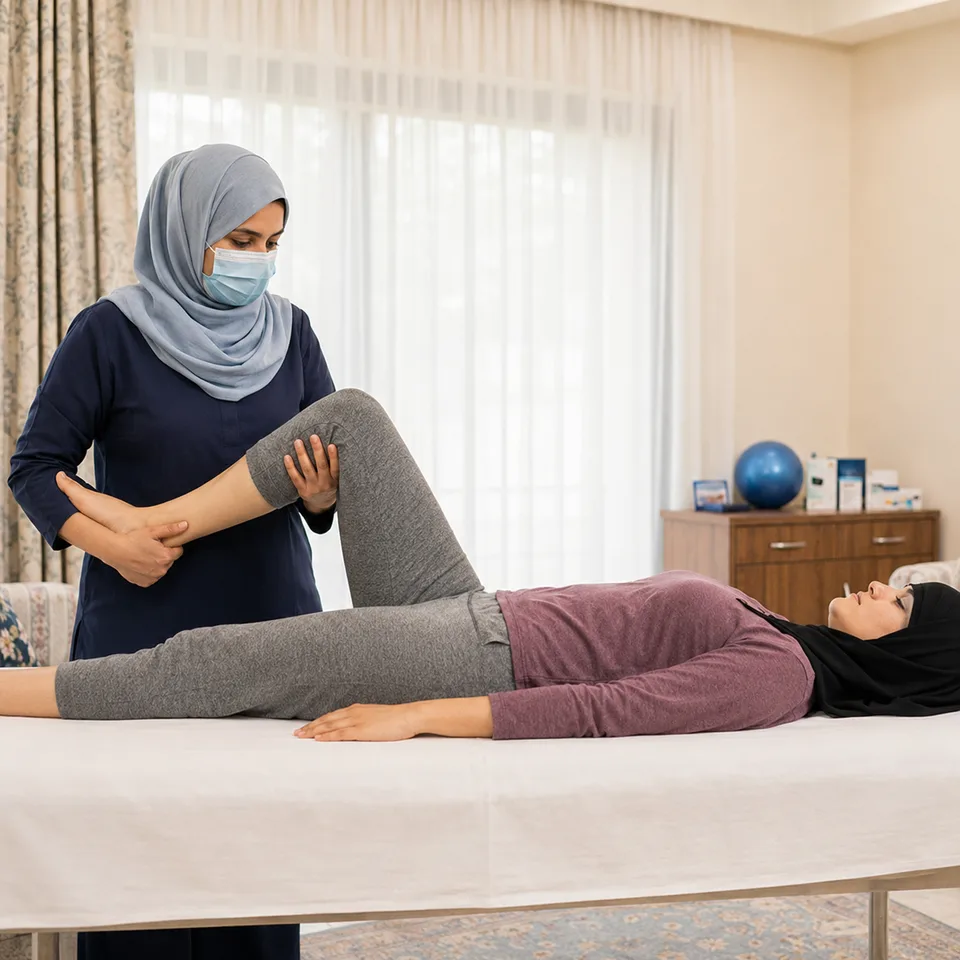
Arthritis & persistent pain
A paced, individualized approach may support movement confidence and activity tolerance in widespread pain.
Open detail guide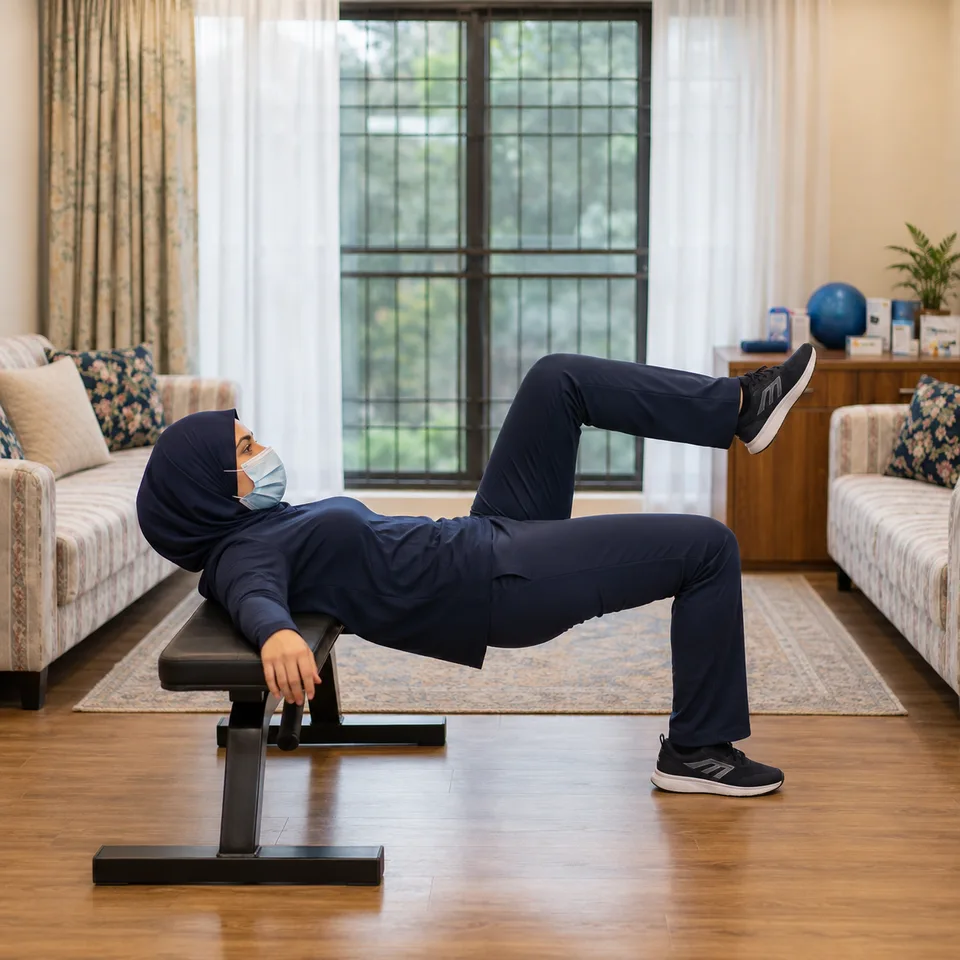
Arthritis & persistent pain
Persistent pain care focuses on function, confidence, pacing and a gradual return to meaningful activity.
Open detail guide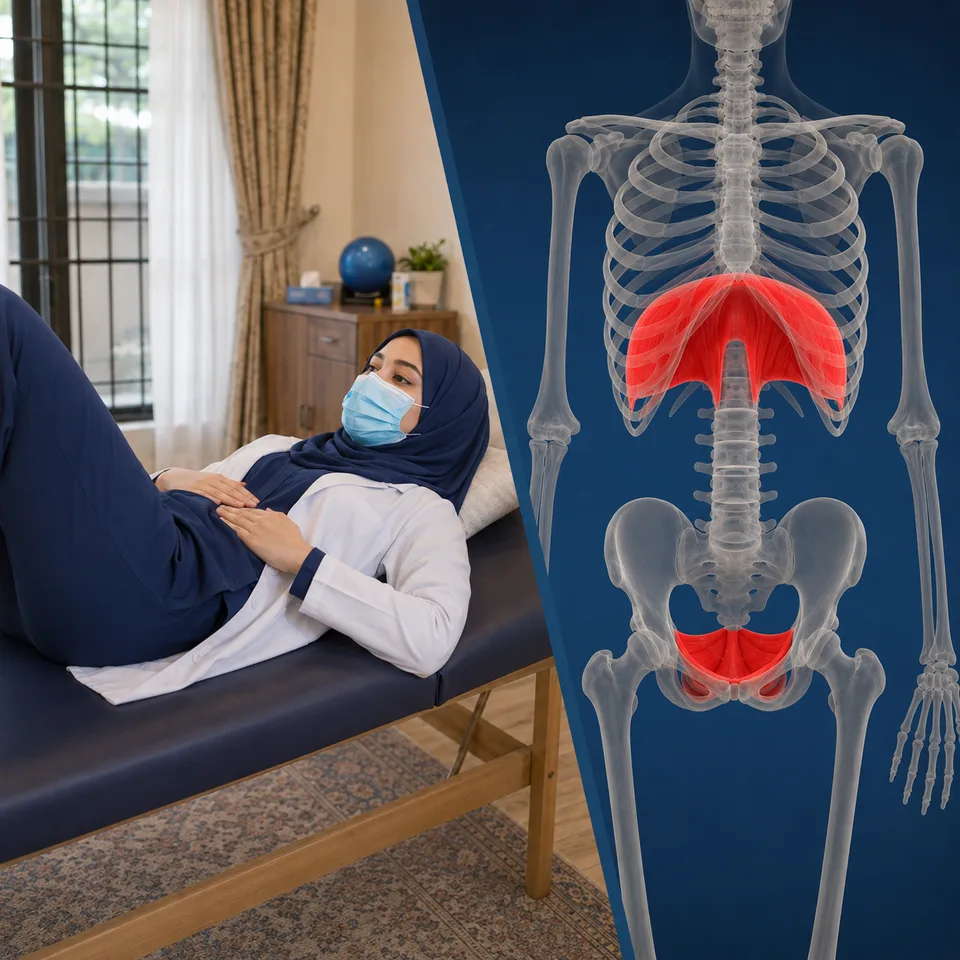
Women’s health & pelvic floor
Pelvic-floor dysfunction may involve weakness, overactivity or difficulty coordinating relaxation and contraction.
Open detail guide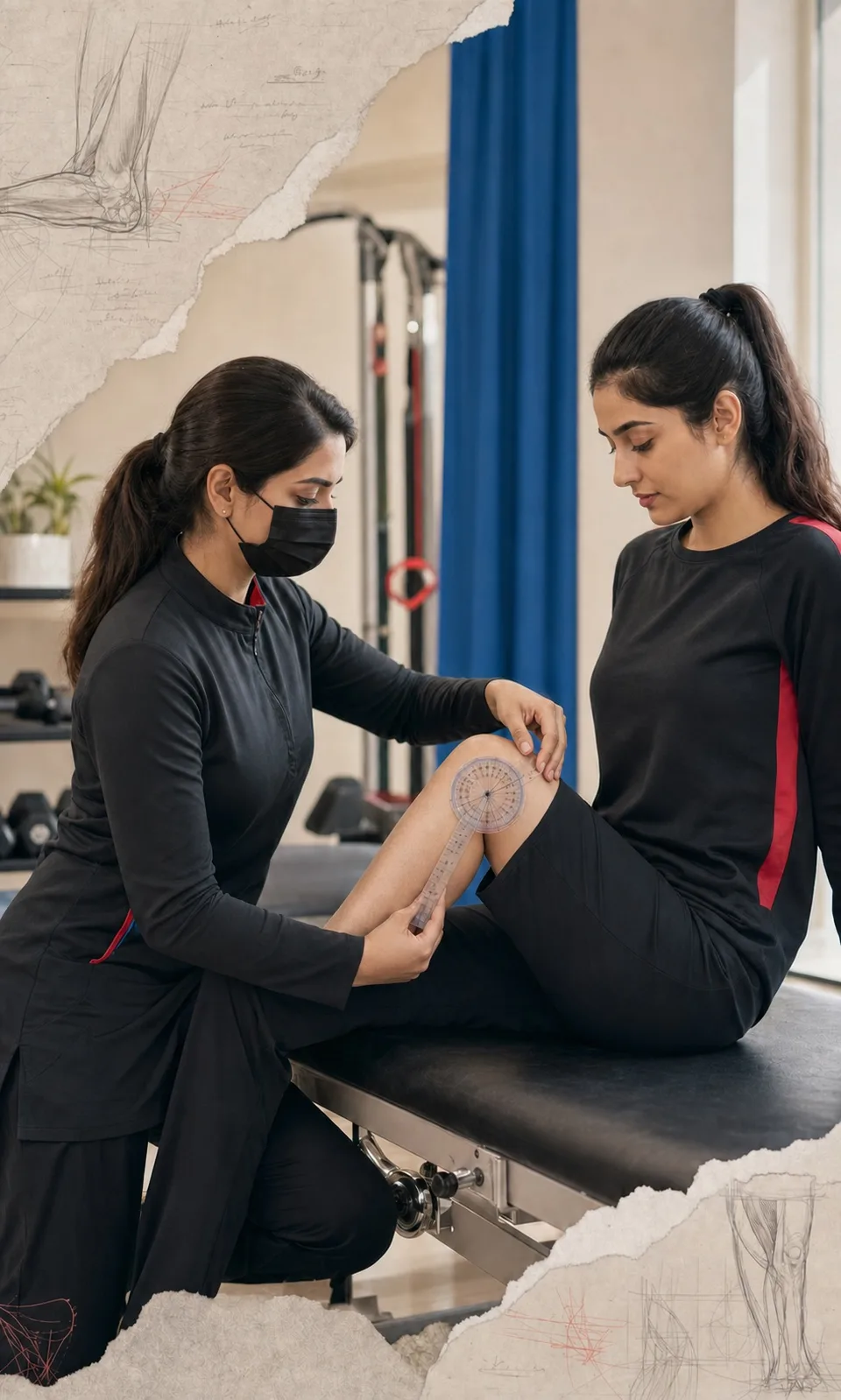
Women’s health & pelvic floor
Urinary leakage can occur with coughing, lifting, running or urgency and deserves private, assessment-led care.
Open detail guideWomen’s health & pelvic floor
Bowel urgency, leakage or pelvic-floor coordination difficulty should be discussed privately and assessed in context.
Open detail guide
Women’s health & pelvic floor
Prolapse symptoms may include pelvic heaviness, pressure or a bulge sensation; this guide does not imply pessary fitting is offered.
Open review-stage guideWomen’s health & pelvic floor
Persistent pelvic pain can affect movement, comfort, intimacy and daily activity and may require multidisciplinary care.
Open detail guide
Women’s health & pelvic floor
Physiotherapy may support movement, muscle guarding and activity tolerance associated with medically assessed endometriosis; it does not diagnose or medically treat it.
Open review-stage guide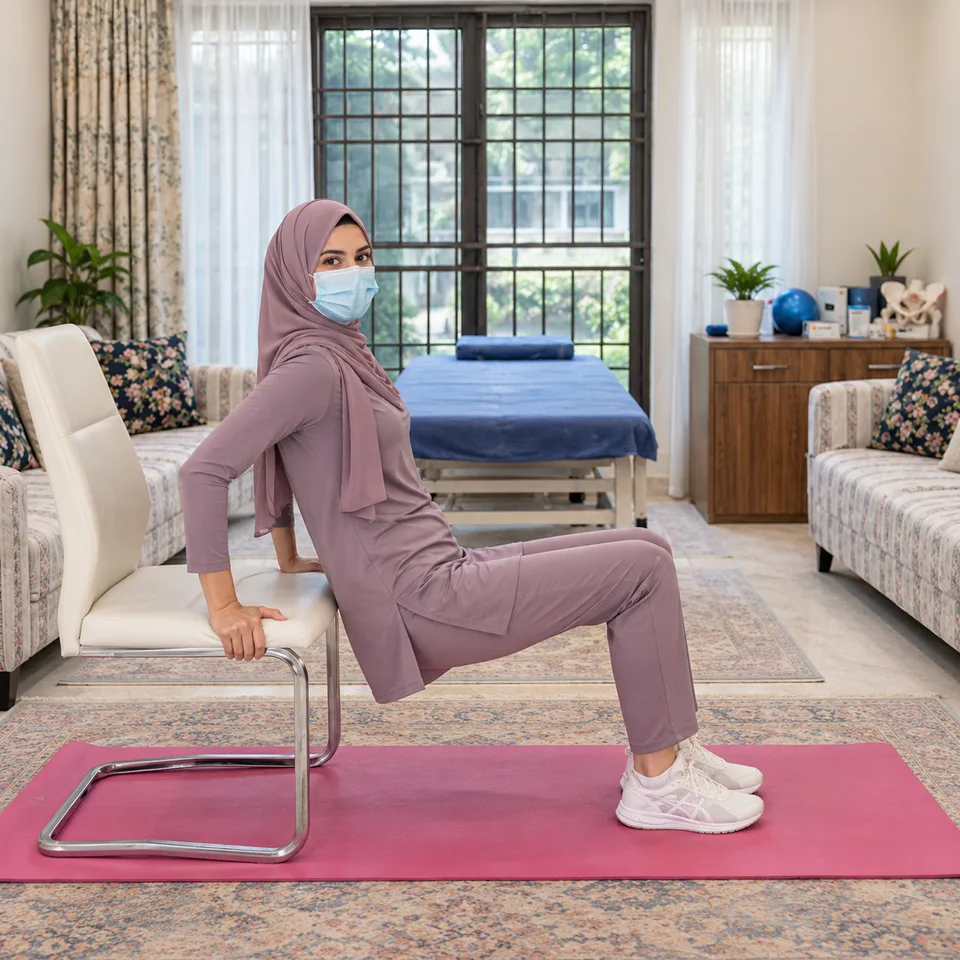
Women’s health & pelvic floor
Pregnancy-related changes can contribute to pelvic, back, rib, hip or upper-limb symptoms and require obstetric-aware screening.
Open detail guide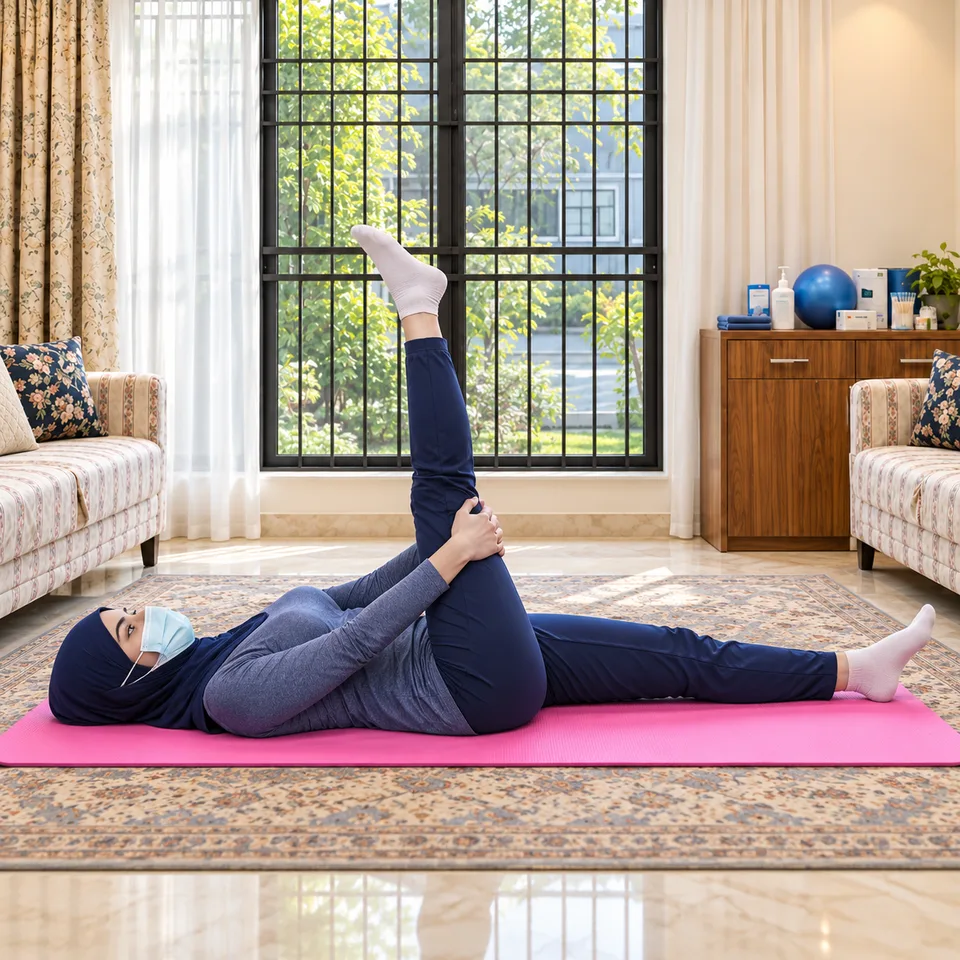
Women’s health & pelvic floor
Postnatal rehabilitation may support abdominal wall, pelvic-floor, scar, strength and return-to-exercise concerns.
Open detail guide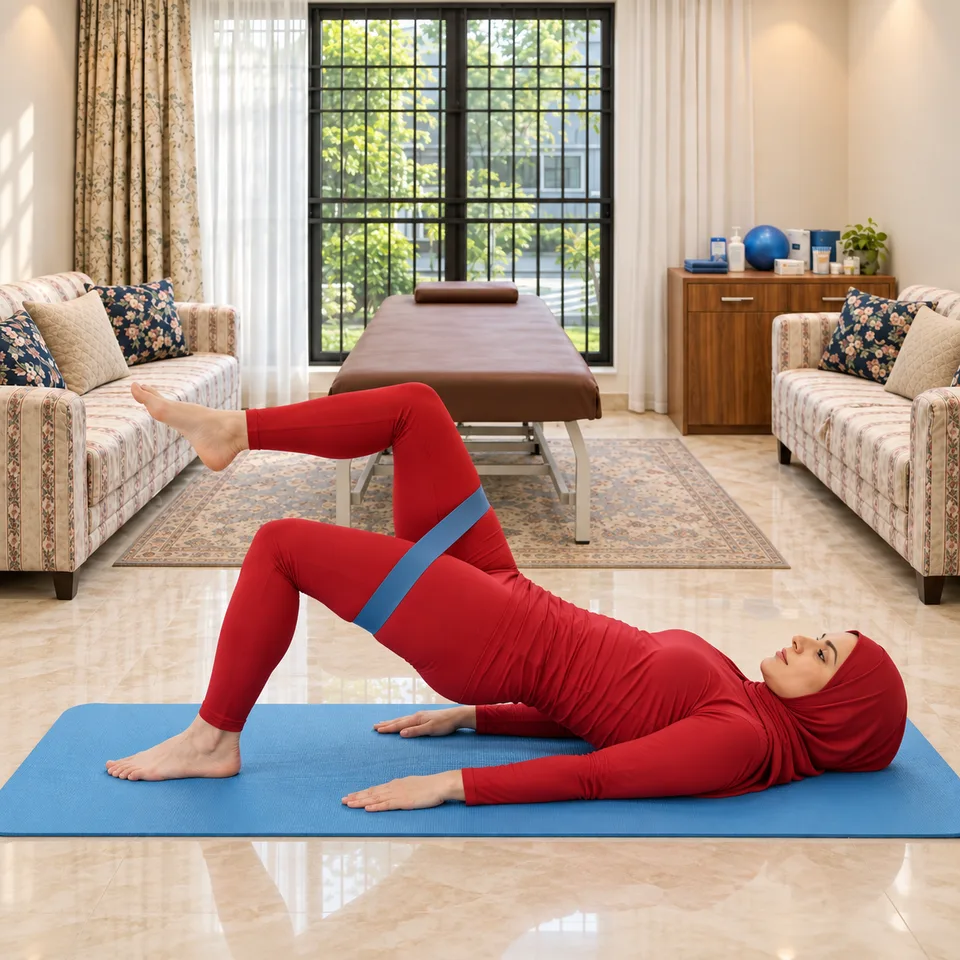
Women’s health & pelvic floor
Rehabilitation may support strength, balance, joint and tendon capacity, pelvic-floor concerns and safe return to impact exercise.
Open detail guide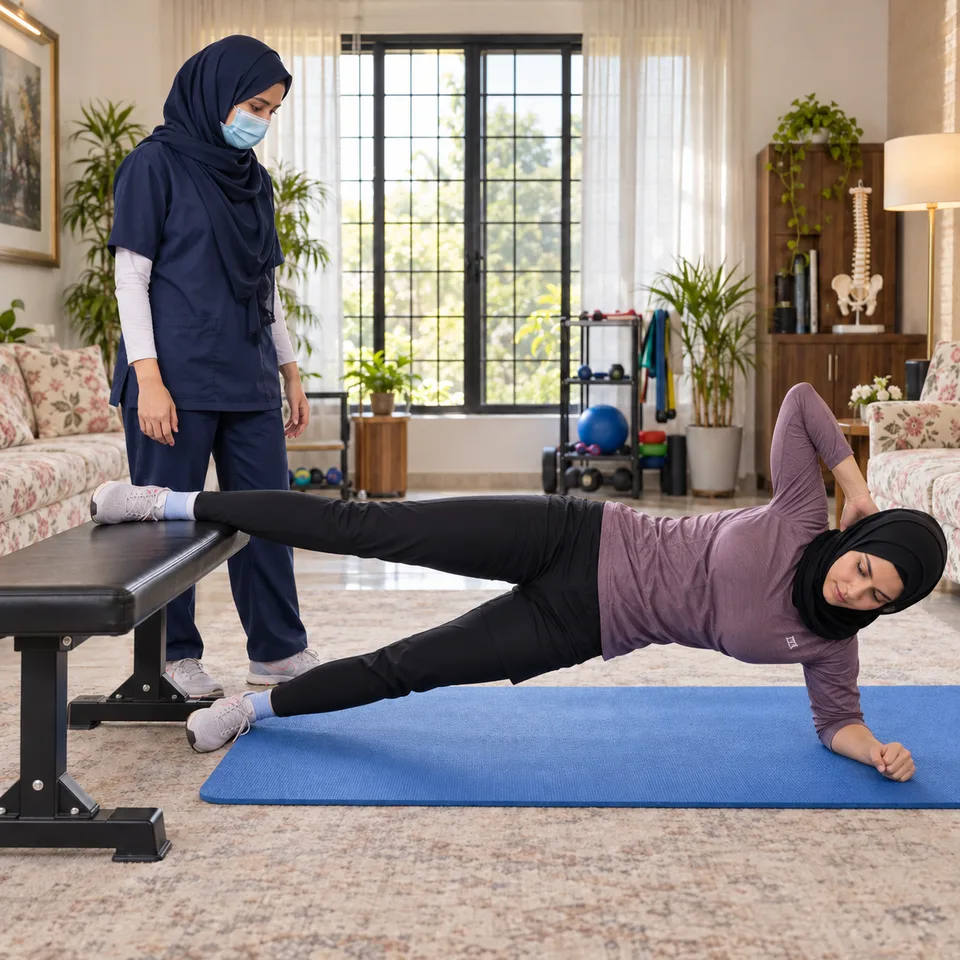
Women’s health & pelvic floor
Female athlete rehabilitation may address pelvic-floor symptoms, postpartum return and bone-stress recovery while referring medical, hormonal or nutrition concerns.
Open review-stage guide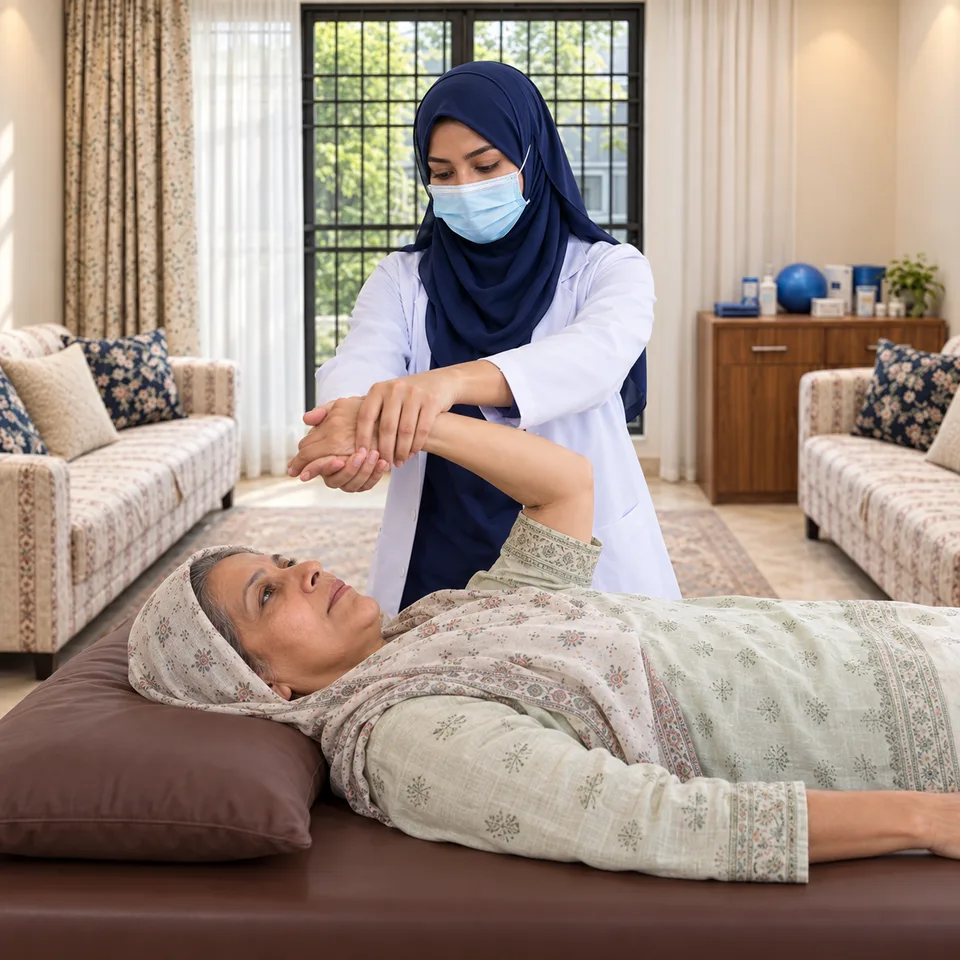
Neurological rehabilitation
Stroke rehabilitation supports movement, balance, gait and everyday function according to the person’s stage and medical needs.
Open detail guide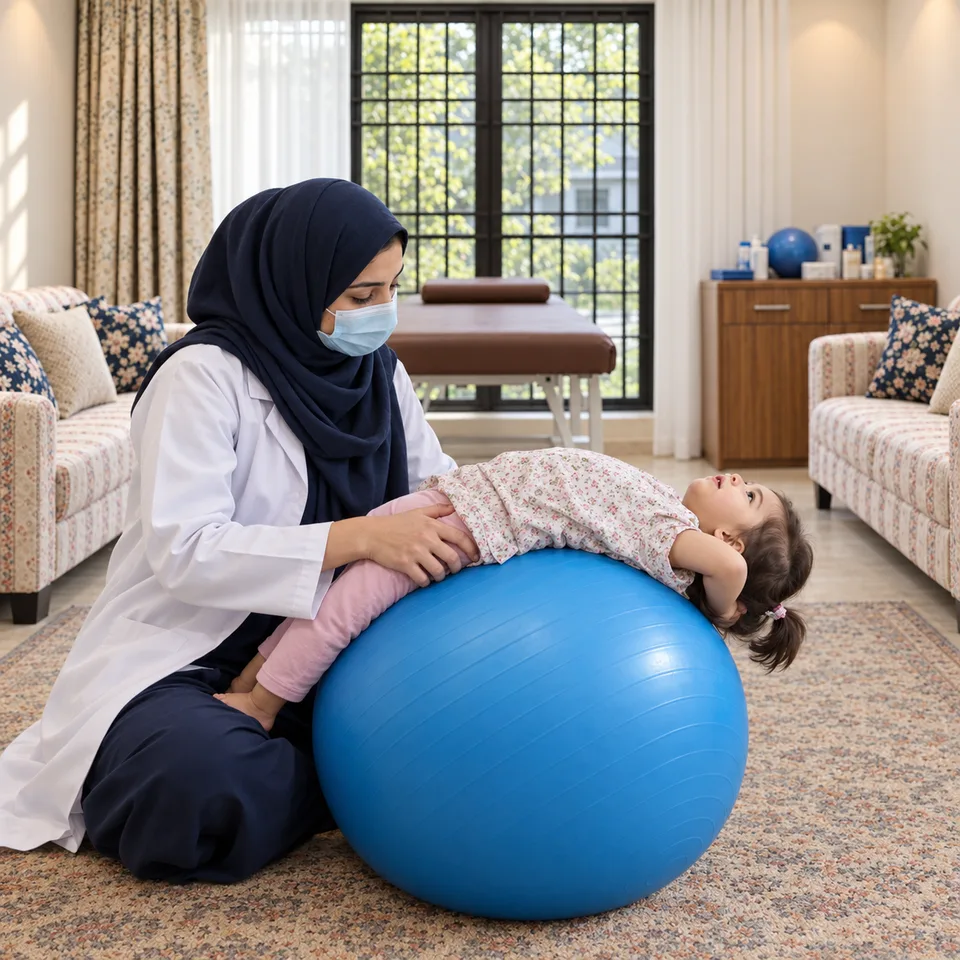
Neurological rehabilitation
Cerebral palsy rehabilitation may support posture, mobility, balance and participation according to individual goals.
Open detail guide
Neurological rehabilitation
Peripheral nerve injury rehabilitation may address weakness, movement control and functional use after medical assessment.
Open detail guide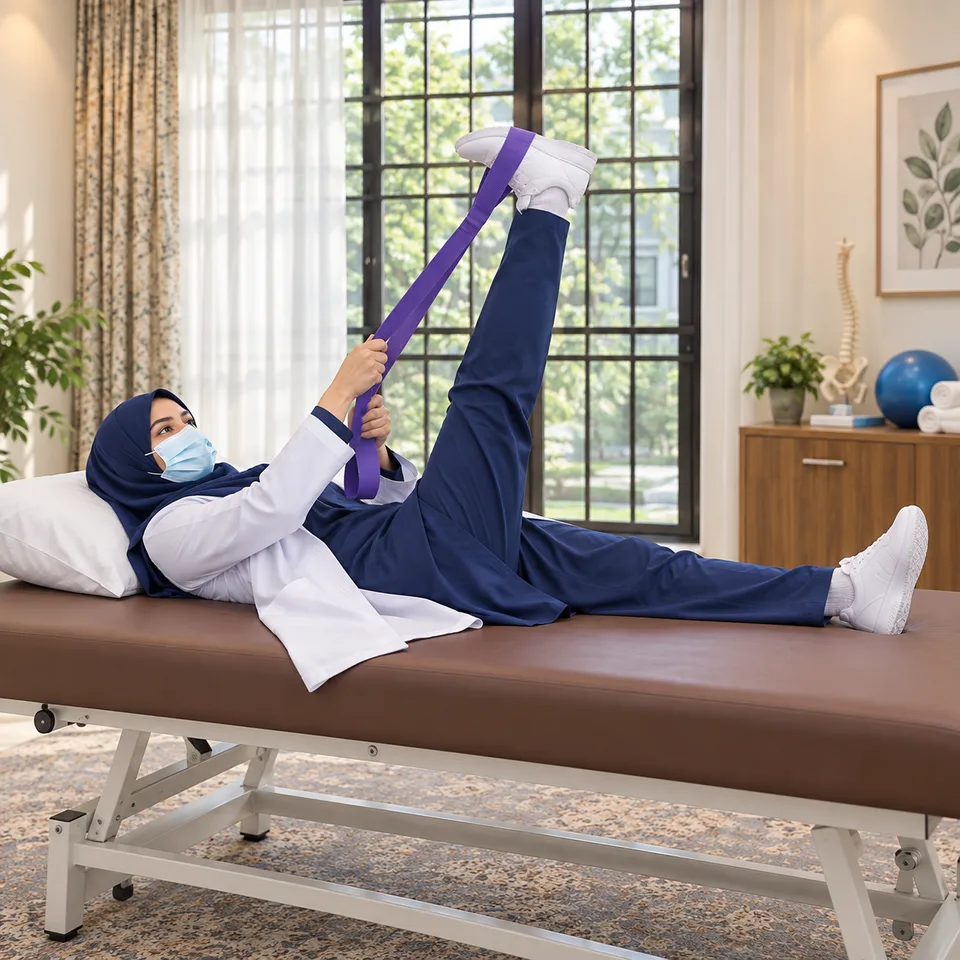
Neurological rehabilitation
Spinal cord injury rehabilitation requires an appropriately equipped setting and coordinated medical and rehabilitation planning.
Open review-stage guide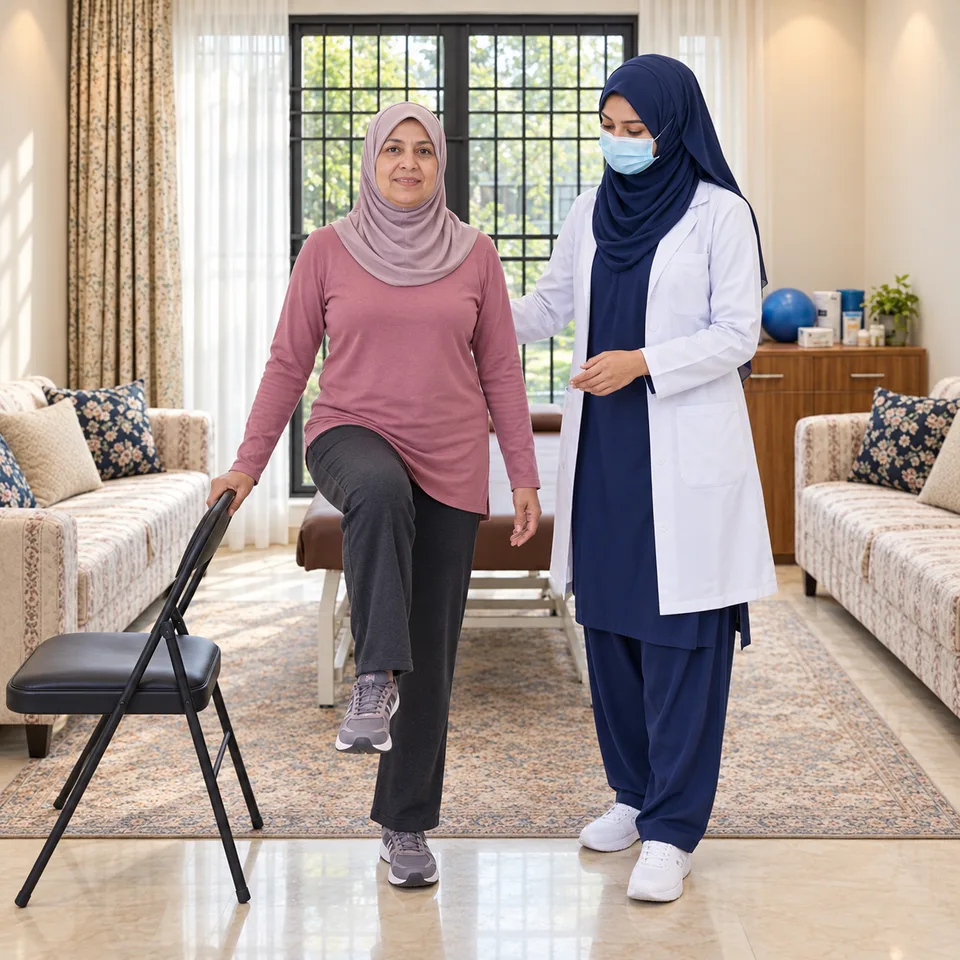
Neurological rehabilitation
Movement-disorder rehabilitation may support mobility, balance, gait and endurance alongside neurological care.
Open review-stage guide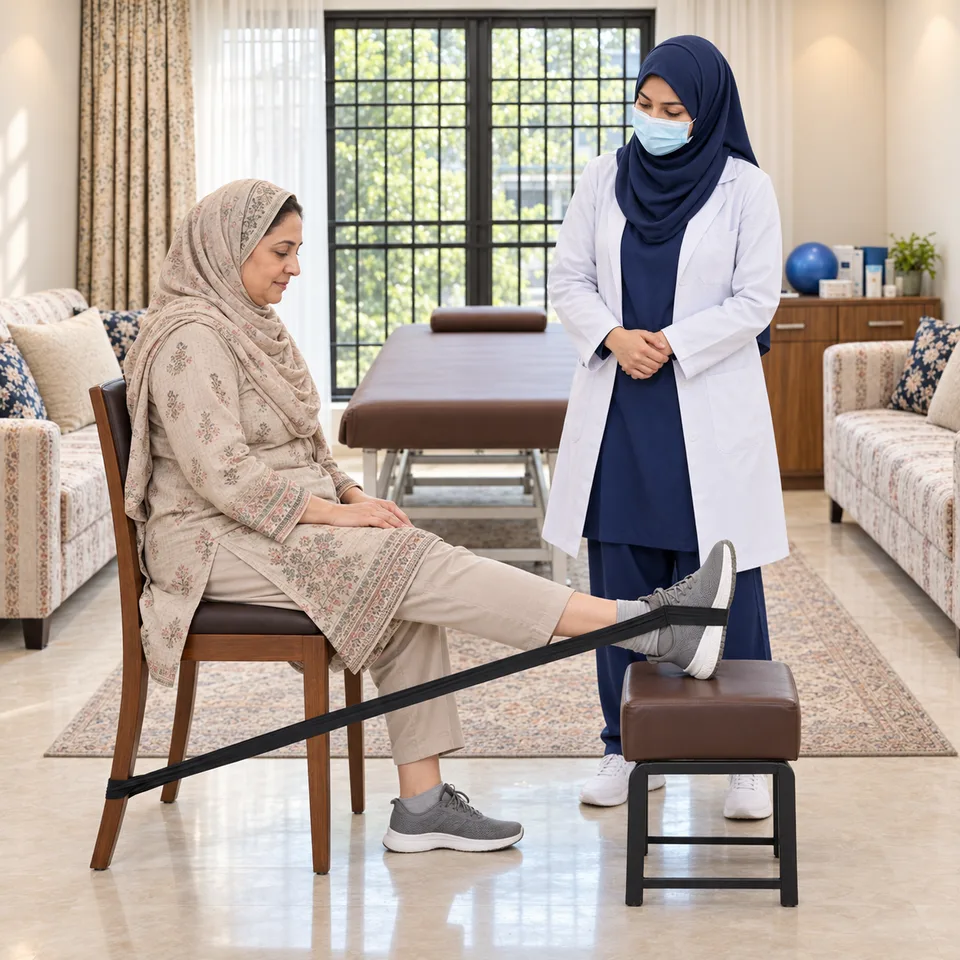
Neurological rehabilitation
Balance and gait assessment explores falls risk, coordination, proprioception and functional walking limitations.
Open detail guide
Neurological rehabilitation
Facial rehabilitation may support movement quality and function after an appropriate medical diagnosis.
Open detail guide
Paediatric rehabilitation for girls
Developmental physiotherapy for girls requires age-appropriate assessment, safeguarding and referral when wider developmental input is needed.
Open review-stage guide
Paediatric rehabilitation for girls
Paediatric neuromotor rehabilitation must remain within verified physiotherapy scope and coordinated developmental care.
Open review-stage guide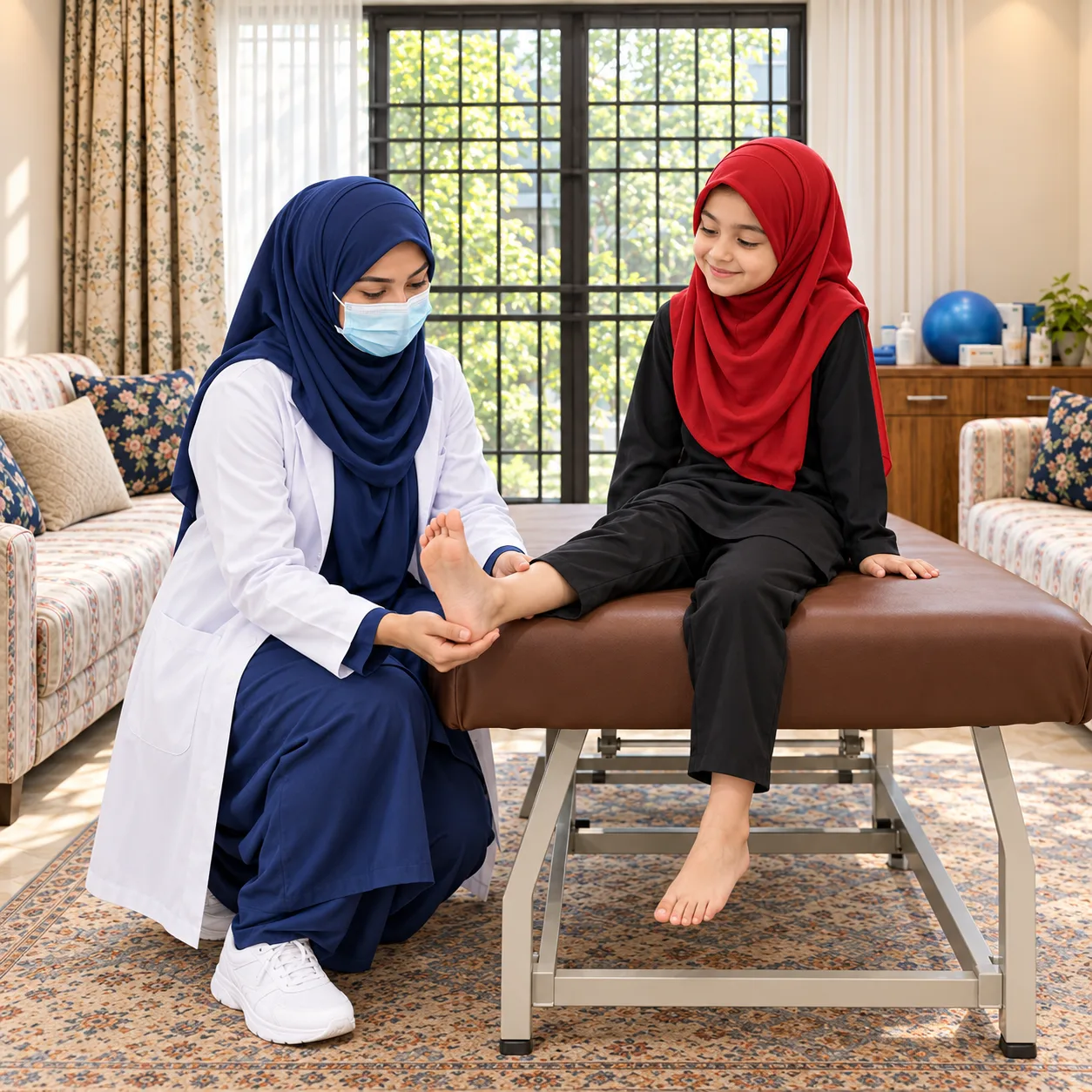
Paediatric rehabilitation for girls
Orthopaedic rehabilitation for girls may support recovery after injury, surgery or medical management when age scope is confirmed.
Open review-stage guide
Paediatric rehabilitation for girls
Functional participation concerns require careful assessment and referral where developmental, behavioural or medical needs fall outside physiotherapy.
Open review-stage guide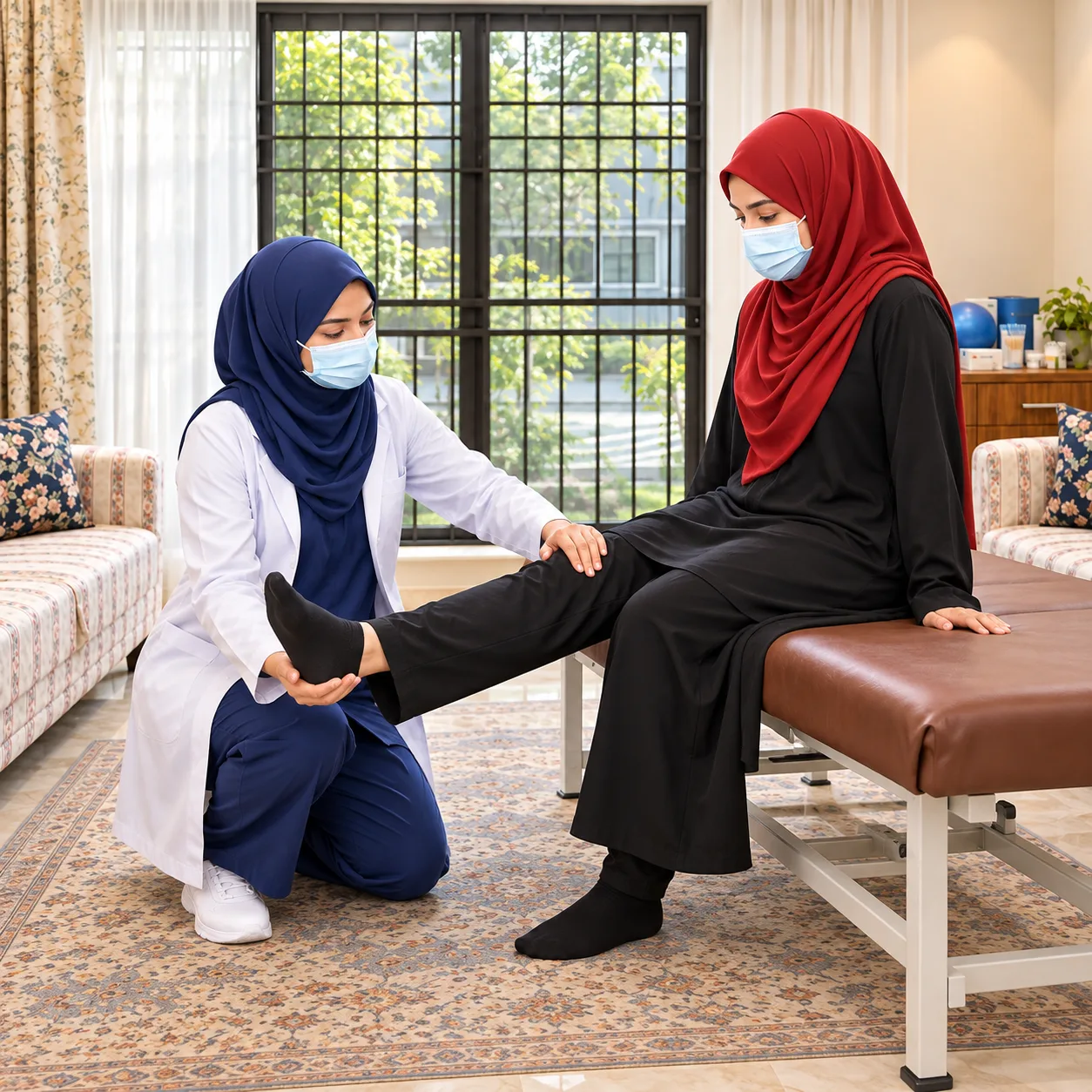
Post-operative & post-fracture
Post-operative rehabilitation follows surgical guidance while restoring movement, strength and everyday function.
Open detail guide
Post-operative & post-fracture
After medical fracture management, rehabilitation may address stiffness, weakness, balance and return to daily activity.
Open detail guide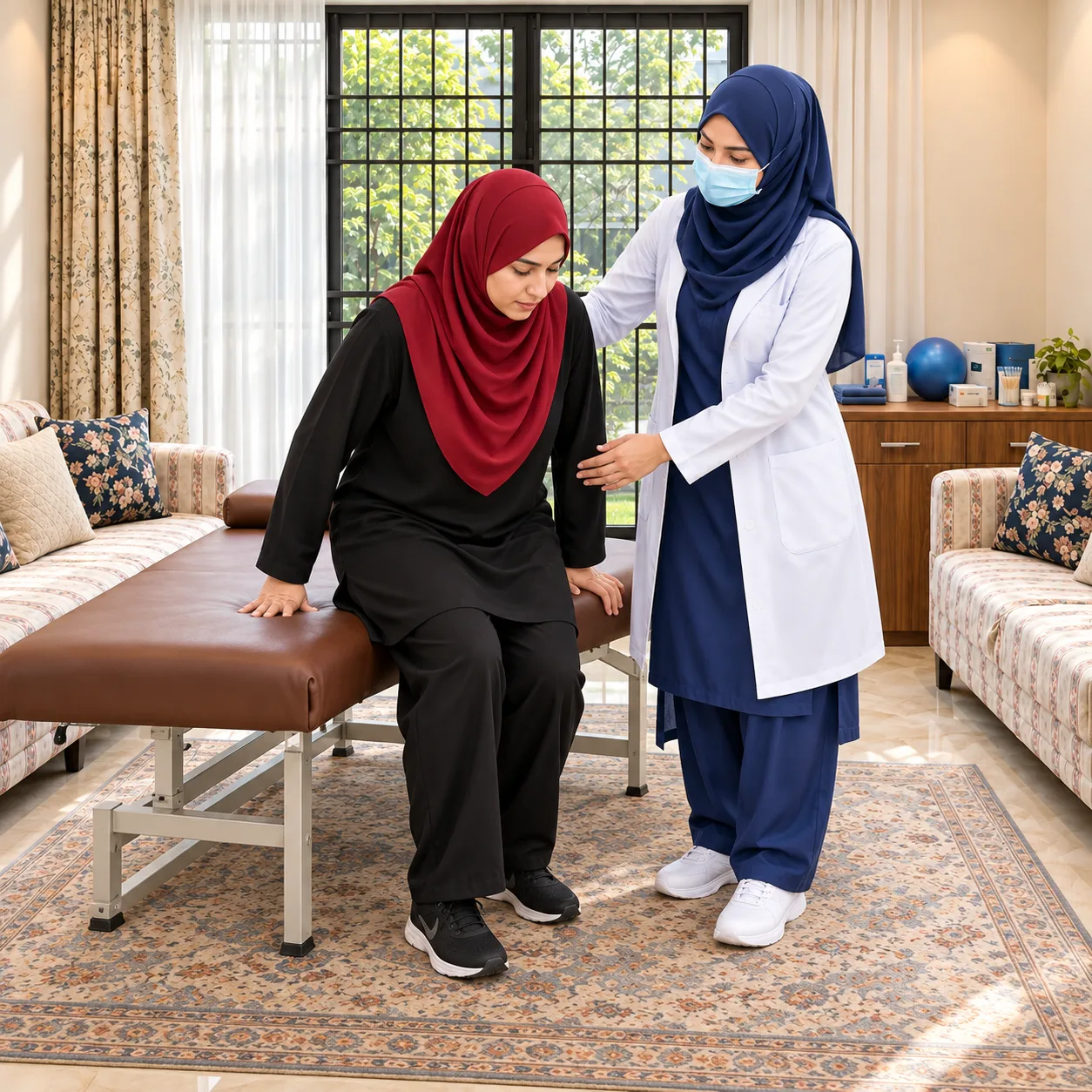
Post-operative & post-fracture
After surgery, physiotherapy may address movement, strength, swelling, scars and functional activity within medical guidance.
Open detail guide
Cardiorespiratory rehabilitation
Postoperative chest and mobility rehabilitation requires medical stability, suitable facilities and coordinated postoperative care.
Open review-stage guide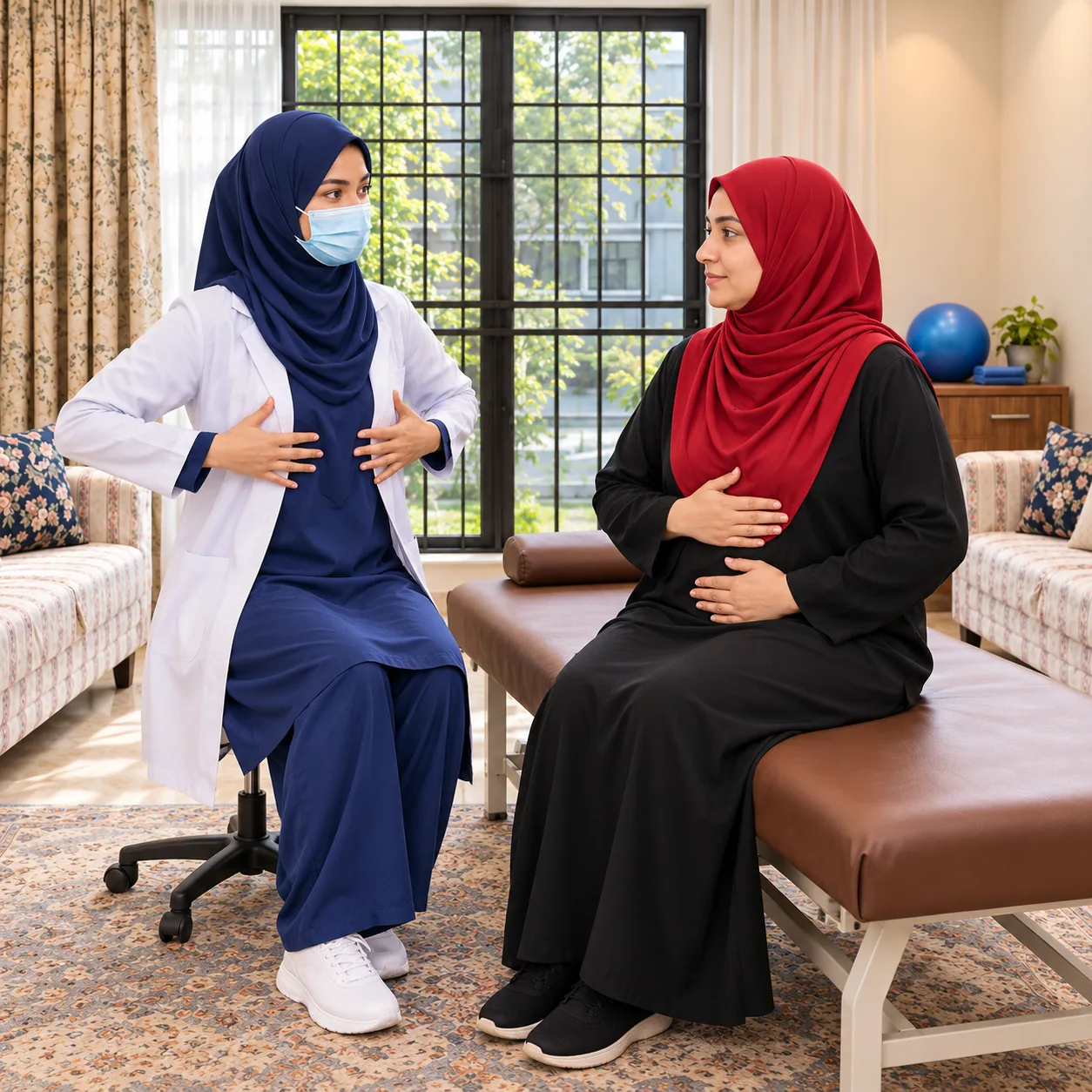
Cardiorespiratory rehabilitation
Breathing or airway-clearance physiotherapy should be offered only with appropriate training, screening and medical referral pathways.
Open review-stage guide
Cardiorespiratory rehabilitation
Physical rehabilitation may support mobility and conditioning alongside medical diabetes management; it does not treat diabetes itself.
Open review-stage guide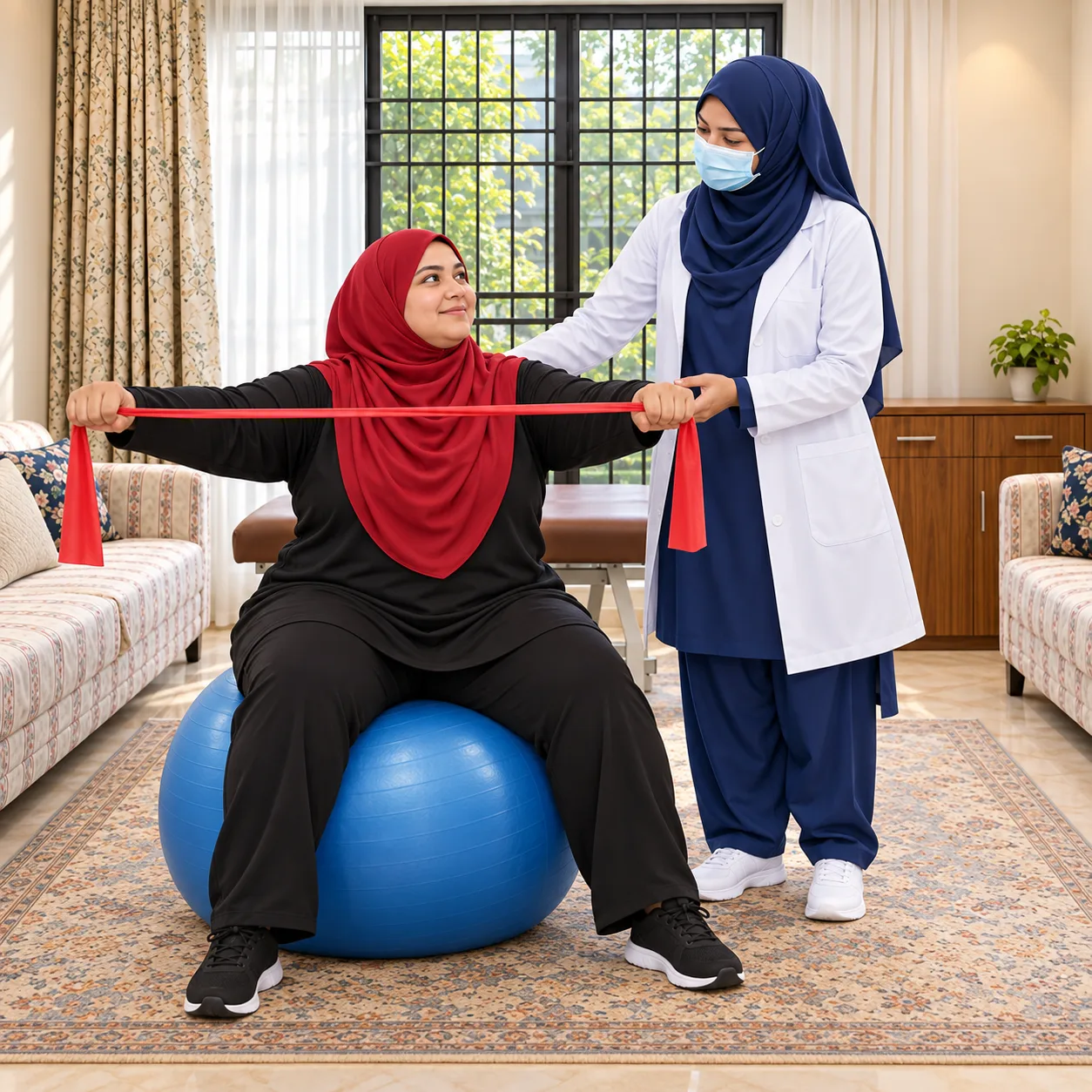
Cardiorespiratory rehabilitation
Weight-neutral rehabilitation may support mobility, strength and activity tolerance as part of appropriately coordinated care.
Open review-stage guide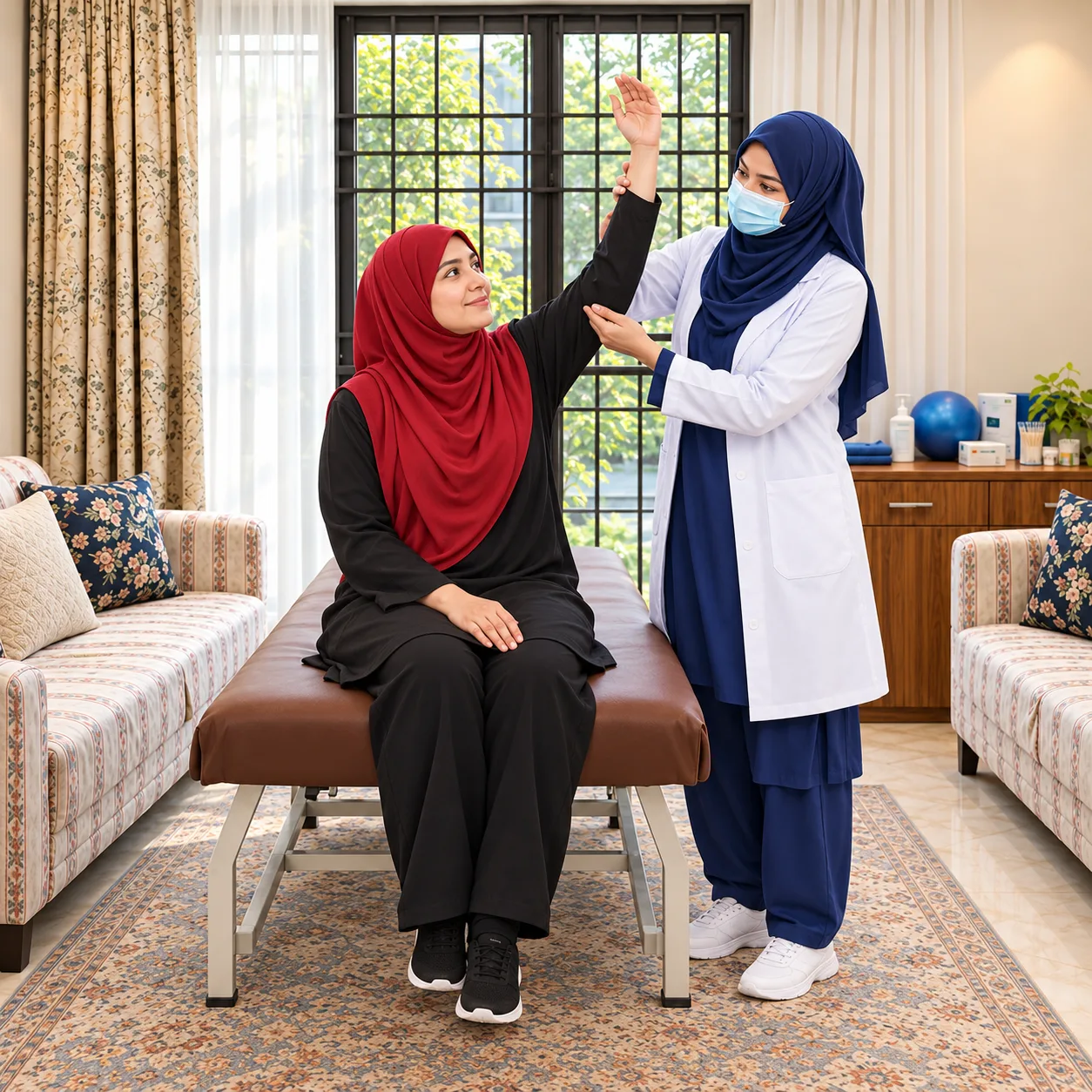
Lymphedema & oncology rehabilitation
Breast cancer-related swelling and movement concerns require specialist training and coordination with oncology care.
Open review-stage guide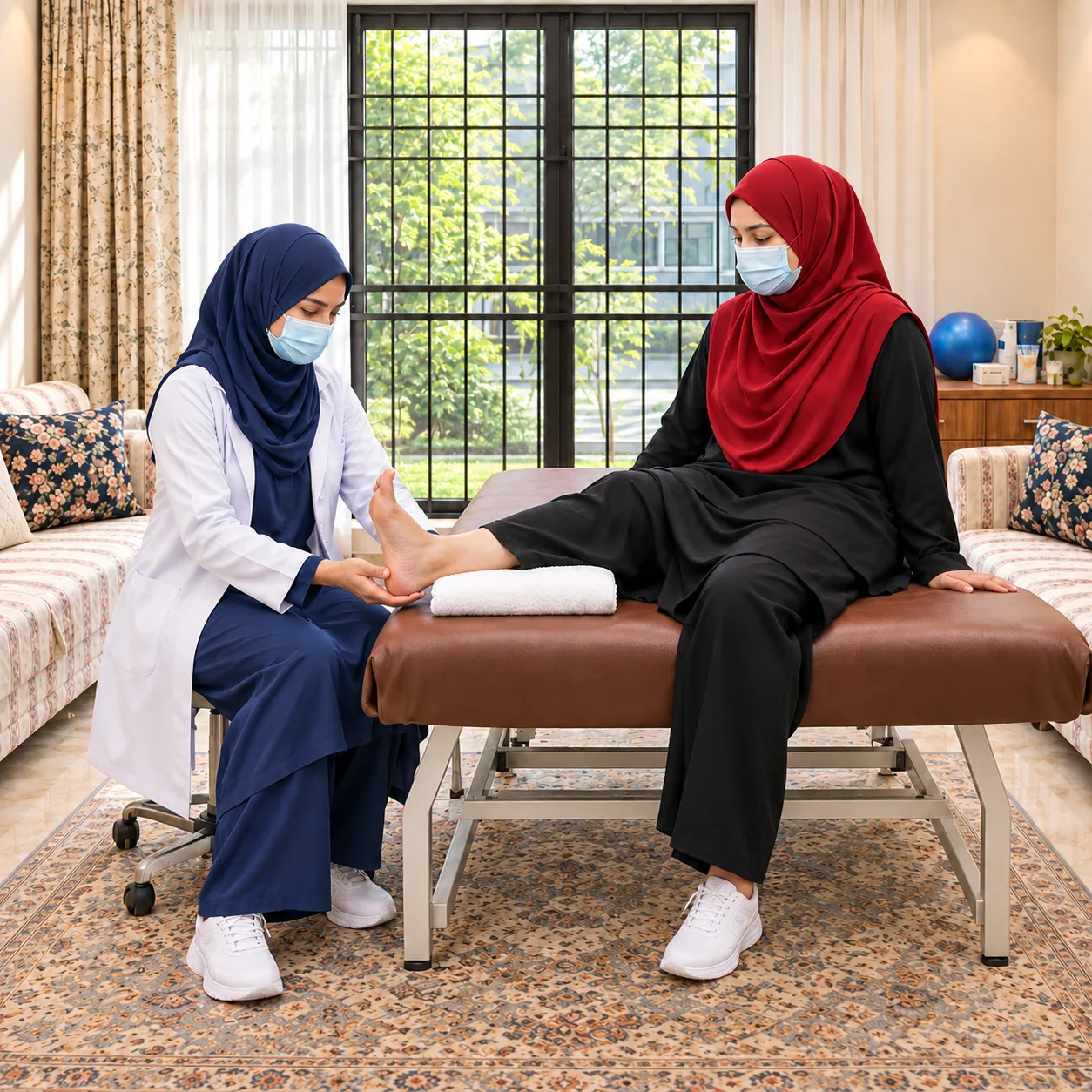
Lymphedema & oncology rehabilitation
Lymphedema rehabilitation and compression decisions require specialist assessment, training and medical coordination.
Open review-stage guide
Lymphedema & oncology rehabilitation
Cancer rehabilitation must be coordinated with the medical team and matched to treatment stage, symptoms and specialist competence.
Open review-stage guide
Vestibular & dizziness rehabilitation
Positional vertigo assessment and repositioning require specific vestibular training and screening for urgent causes of dizziness.
Open review-stage guide
Vestibular & dizziness rehabilitation
Vestibular rehabilitation requires a confirmed presentation, specialist training and screening for medical causes of dizziness.
Open review-stage guideSymptoms do not always arrive with a name
Tell us what you are experiencing. We will explain whether physiotherapy assessment is an appropriate first step, whether a specialist service is available, or whether medical review should come first.